

Sales of electric and PHEV grow by 27% in 2025
So far in 2025, global sales of plug-in vehicles both pure electric and plug-in hybrids have grown by 27%
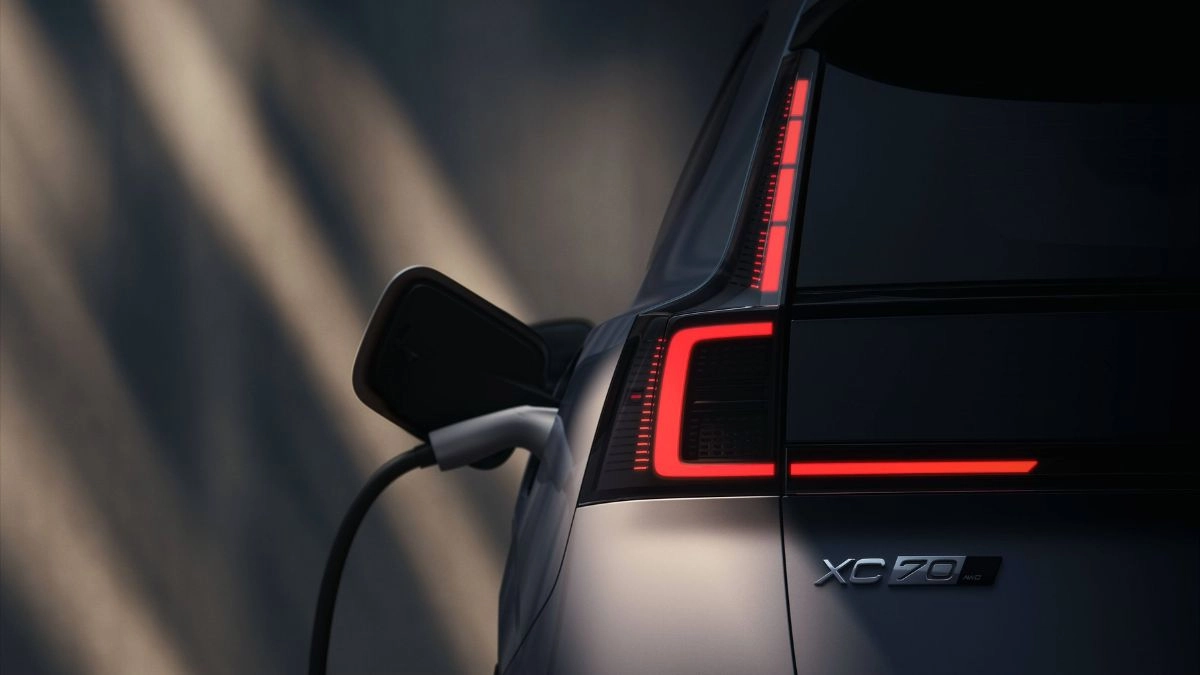

The automotive industry is experiencing a 2025 that will go down in the history of electric mobility. Global figures indicate that 10.7 million plug-in cars were sold between January and July, representing 27% more than the same period in 2024, according to data from Rho Motion.
This trend reaffirms that the shift towards cleaner mobility is not a passing phenomenon, but a structural movement that is shaping the global market.
Although China's leadership remains overwhelming, Europe's dynamism has surprised analysts. The old continent, thanks to new incentive policies and the commercial offensive of Asian manufacturers, is closing the gap and consolidating itself as a key player in the sector.
BEV and PHEV: two paths towards electrification
It is important to differentiate between the two main types of plug-in vehicles. On the one hand, pure electric vehicles (BEVs) represent the technological vanguard and attract the most media attention.
On the other hand, plug-in hybrids (PHEVs) combine an electric and combustion engine, allowing them to offer greater autonomy on long journeys and adapt to markets in transition.
In 2025, these two segments will not grow at the same pace or with the same geographical distribution. BEVs are setting the pace globally, while PHEVs are finding particularly fertile ground in Europe, where incentive policies and lower tariffs for this type of technology have stimulated their sale.
China: the giant that continues to dominate
In July 2025, 1.6 million electric vehicles were sold worldwide, 21% more than in July 2024, although 9% less than in May of the same year. In the annual cumulative figure, China accounts for 6.5 million units, with a growth of 29% and maintaining, for the third consecutive month, a penetration of more than 50% in its market.
Within China, BEVs grow an impressive 40%, while PHEVs barely increase by 14% and, in some months, even register falls in both monthly and year-on-year sales.
This performance reinforces the idea that the country is moving rapidly towards total electrification, leaving intermediate technologies behind.
Europe: the second market driver
Europe ranks second in global sales of plug-in vehicles, with 2.3 million units sold between January and July 2025, representing a growth of 30%. Unlike China, the continent is showing balanced growth: BEVs are up 30% and PHEVs, 32%.
The European market, however, is far from homogeneous. Germany and the United Kingdom lead the statistics with increases of 43% and 32%, respectively. Italy, boosted by $656 million in new incentives, has grown by 40%, narrowing the gap in electromobility with its more developed neighbors.
France maintains a more moderate pace, with an 11% drop in the annual cumulative figure, although the new subsidy plans, which will come into effect at the end of September, are expected to reverse this trend.
Spain, although starting from lower absolute figures, leads the percentage growth among the large markets: +83% in BEVs and over 50% in PHEVs.
North America: a clear slowdown
Unlike China and Europe, North America shows much more timid growth. So far this year, the market has barely grown by 2%, affected by the cooling demand following the expiration of the Inflation Reduction Act (IRA) benefits on September 30, 2024.
Without these incentives, many consumers have postponed the purchase of a plug-in vehicle, and some manufacturers have been forced to adjust their production plans. The region now faces the challenge of reviving interest without relying exclusively on government subsidies.
PHEVs gain ground in Europe
Although the public debate focuses on the pure electric car, PHEVs are experiencing a moment of opportunity in Europe. According to ACEA, they already represent 8.4% of the EU market, compared to 6.9% a year earlier. Part of this drive comes from Chinese brands that use this technology as a route into the European Union, given that tariffs for PHEVs are lower than for BEVs. Such tariff detail, combined with competitive prices and an attractive combined range for drivers who are not yet ready for the full jump to electricity, has allowed these models to gain market share.
The role of incentives and public policies
Incentive programs have been crucial to the growth of the plug-in market. China maintains policies of fleet renewal and consumption stimulation, and in October 2025 will launch a new round of financing to further accelerate sales.
In Europe, each country applies its own plans, with different amounts and requirements, which generates a mosaic of realities within the region. Germany and the United Kingdom have opted for stable policies that inspire consumer confidence, while Italy and Spain have resorted to large outlays to close historic gaps.
In contrast, the lack of continuity in North American programs has shown that abruptly withdrawing incentives can slow down the market even in regions with high purchasing power.