

Can Green Card workers apply for Social Security benefits?
We explain if permanent residents with a Green Card can receive Social Security benefits and what the requirements are to qualify.
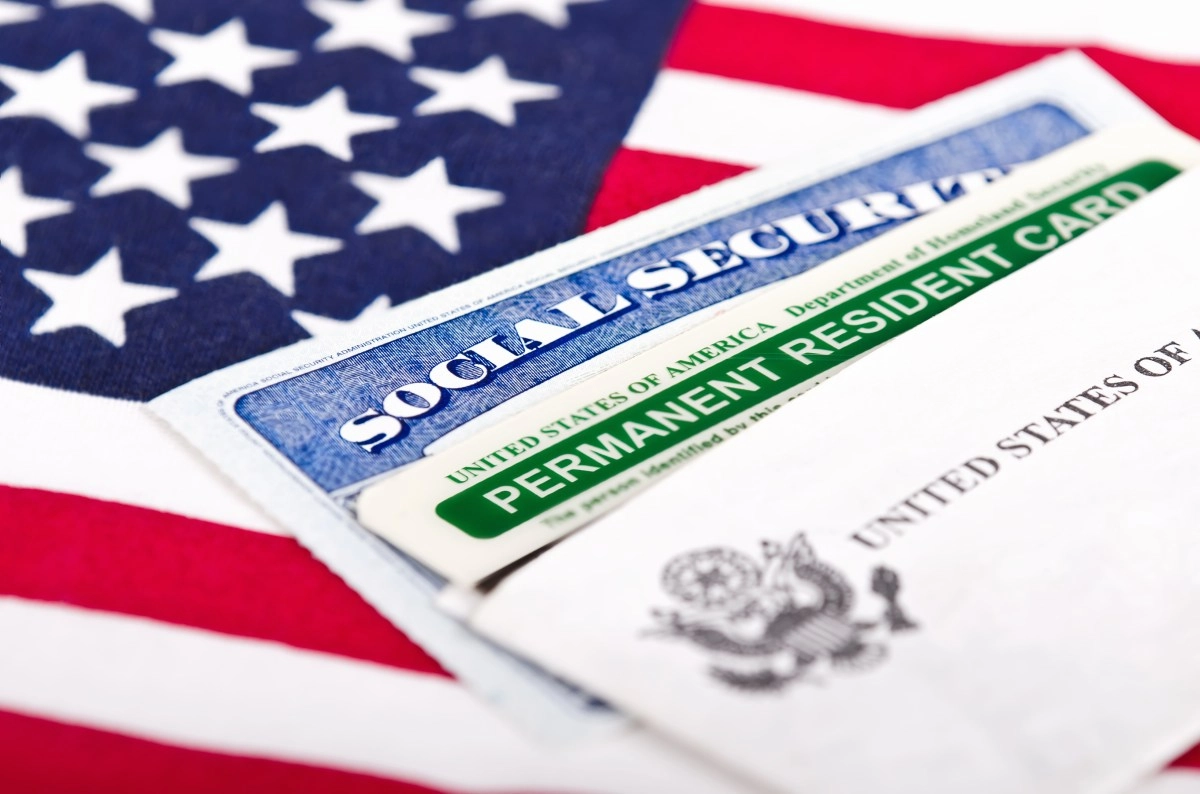

If you have a Green Card and have been working in the United States for years, it is normal to wonder if you will one day be able to receive Social Security benefits when you retire. The good news is that it is possible, but obtaining permanent residency does not automatically guarantee access to these payments. To qualify, you must meet several requirements related to time worked and contributions made to the system.
The Social Security Administration (SSA) explains that lawful permanent residents have very similar rules to U.S. citizens when it comes to accessing retirement benefits. The most important thing is to have worked in jobs where Social Security taxes were paid and meet the work credits required by law.
A point that often generates confusion is thinking that permanent residence, by itself, opens the door to Social Security benefits. In reality, the Green Card only allows you to work legally in the United States; The right to receive a pension depends on having contributed to the system by paying taxes and meeting the necessary work credits.
The 40 credit rule
The main requirement for most workers is to comply with the so-called 40 credit rule. Each year it is possible to obtain up to four credits, depending on the income reported to Social Security.
According to the SSA, in 2026 a worker earns one credit for every $1,890 in earnings subject to Social Security and can accumulate a maximum of four credits per year. In most cases, reaching 40 credits is equivalent to having worked for around 10 years.
To understand it better, imagine a person who obtained his Green Card, got a formal job and for a decade paid taxes on his salary. If you have met the required 40 credits, you will be able to apply for retirement benefits when you reach the corresponding age, just like a US citizen.
Other ways to qualify for Social Security benefits
In some cases, a permanent resident may be eligible to receive benefits through his or her spouse's work history or as a surviving family member of a worker who contributed to Social Security.
In addition, the United States maintains international agreements with some countries so that certain workers can combine the periods of contributions in both nations when they do not have sufficient credits only in the United States.
What happens if you leave the United States?
Another important aspect is that living outside the country can affect the payment of benefits for those who are not US citizens. Generally speaking, the SSA notes that payments can be suspended if a non-citizen remains outside the United States for more than six consecutive months, although there are exceptions that depend on the country of residence and the immigration status of each person.
Therefore, if you plan to retire in another country, it is a good idea to review the rules before moving to avoid interruptions in payments.