

The stock market with a slight rebound after a possible truce between Israel and Iran
Global markets rise after possible ceasefire between Israel and Iran; the conflict had raised fears about oil and the global economy
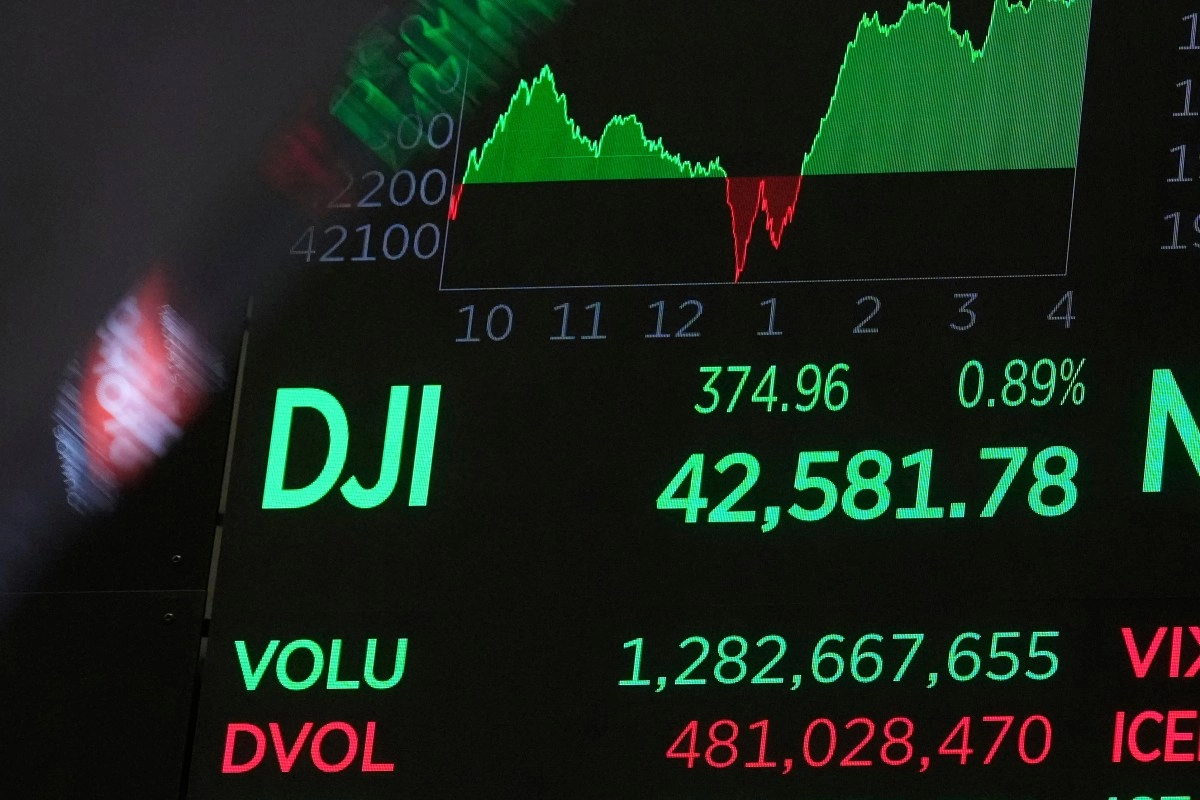

The stock market registered a slight rebound this Tuesday, driven by hopes of a truce between Israel and Iran after weeks of military tension in the Middle East. The announcement of a possible ceasefire, confirmed by President Donald Trump, gave international markets a respite, which reacted with moderate optimism.
“Israel accepted the ceasefire this morning, and while some headlines suggest it may have already been violated, geopolitical concerns are quickly fading from the market's focus,” wrote Adam Crisafulli, director of Vital Knowledge, in a research note.
The positive trend was also reflected in international markets. In Europe, Germany's DAX advanced 1.8%, while the CAC 40 in Paris rose 1.2% and the UK's FTSE 100 gained 0.3%. In Asia, Tokyo's Nikkei rose 1.1% and the Shanghai Composite index rose 1.2%.
Oil prices, which had been soared since the start of the conflict, fell on Tuesday. The US benchmark crude oil price fell 3% to $66.49 a barrel. Brent also fell 3% to $69.38. These figures contrast with the peak of nearly $78 reached weeks ago, when the hostilities raised fears of a sustained rise in energy prices.
It should be remembered that the conflict escalated when Israel attacked nuclear facilities in Iran on June 13. The United States stepped up its involvement last weekend, attacking three Iranian nuclear sites. This rise in tensions has raised concerns about the impact on the global economy, particularly in the energy and financial markets.
Meanwhile, investors are also keeping an eye on statements by Federal Reserve Chairman Jerome Powell, who appeared before the House Financial Services Committee on Tuesday. In his opening remarks, Powell reiterated what he said at last week's press conference: although the labor market remains stable and unemployment remains low, the economic outlook remains uncertain.
The risks associated with tariffs in the United States have diminished since April. However, Powell warned in his prepared remarks that "tariff increases this year will likely raise prices and negatively affect economic activity."
The Federal Reserve decided to keep the federal funds rate in the range of 4.25% to 4.5%. The next meeting of the organization is scheduled for July 29 and 30. This extended pause in rate adjustments has been interpreted as a sign of caution in the face of an economic environment that still presents significant uncertainties.
The apparent easing of tensions between Israel and Iran could bring greater stability in the short term. However, investors should remain alert to possible fluctuations, as the situation in the Middle East is still not considered resolved.