

China demands that the US “immediately” end the blockade and sanctions against Cuba after debate at the UN
Beijing supported Havana in the General Assembly and described the US measures as a violation of international law
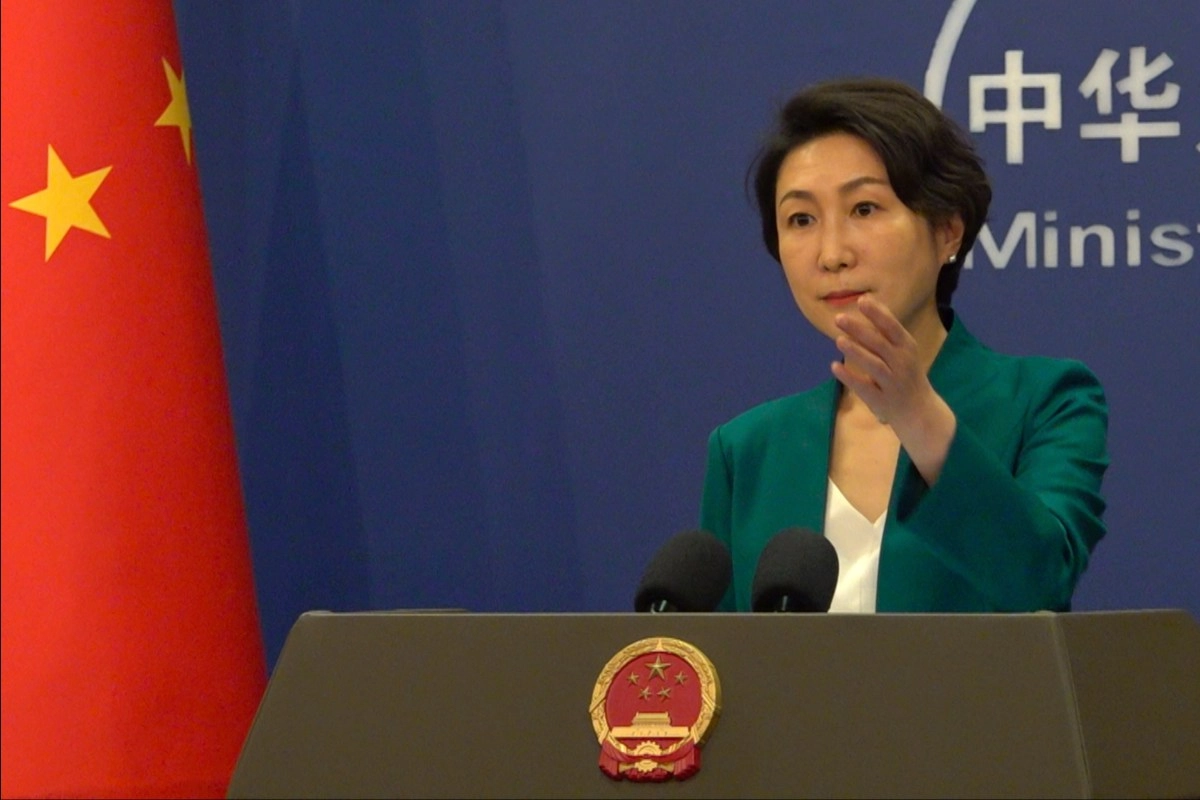

China redoubled its political support for Cuba this Thursday by demanding that the United States "immediately" end the economic blockade, sanctions and any form of "coercion, pressure and military threat" against the island, in a new episode of the diplomatic dispute that is developing in the United Nations (UN) General Assembly regarding the US embargo.
The position was expressed by the spokesperson for the Ministry of Foreign Affairs of China, Mao Ning, who maintained that the restrictions imposed by Washington for more than six decades have been tightened at different times and, in recent months, have contributed to aggravating the crisis facing the Caribbean country.
According to the official, “more than 60 years of total blockade and illicit sanctions have caused profound suffering to the Cuban people,” while affirming that the US measures “seriously violate” the purposes and principles of the United Nations Charter and affect Cuba's right “to survival and development.”
Mao's statements come after the UN General Assembly approved, by a large majority, holding a debate requested by Cuba on the need to end the economic, commercial and financial embargo imposed by the United States. The initiative was supported by 136 countries, while Washington led opposition to the procedure.
During her press conference, the Chinese spokesperson stated that the decision of the highest deliberative body of the UN “reflects once again the support of the international community for the Cuban people in the defense of their national sovereignty and their opposition to external interference and the blockade.” Likewise, he maintained that the “unilateral” and “intimidation” practices promoted by the United States lack international support and reiterated that Beijing will work with other countries to “firmly defend international equity and justice.”