

Discounts and disappointment: Tesla doesn't connect with this country
With more than 1.463 billion inhabitants and a rapidly transforming automotive market, India seemed like an ideal territory for Tesla's expansion
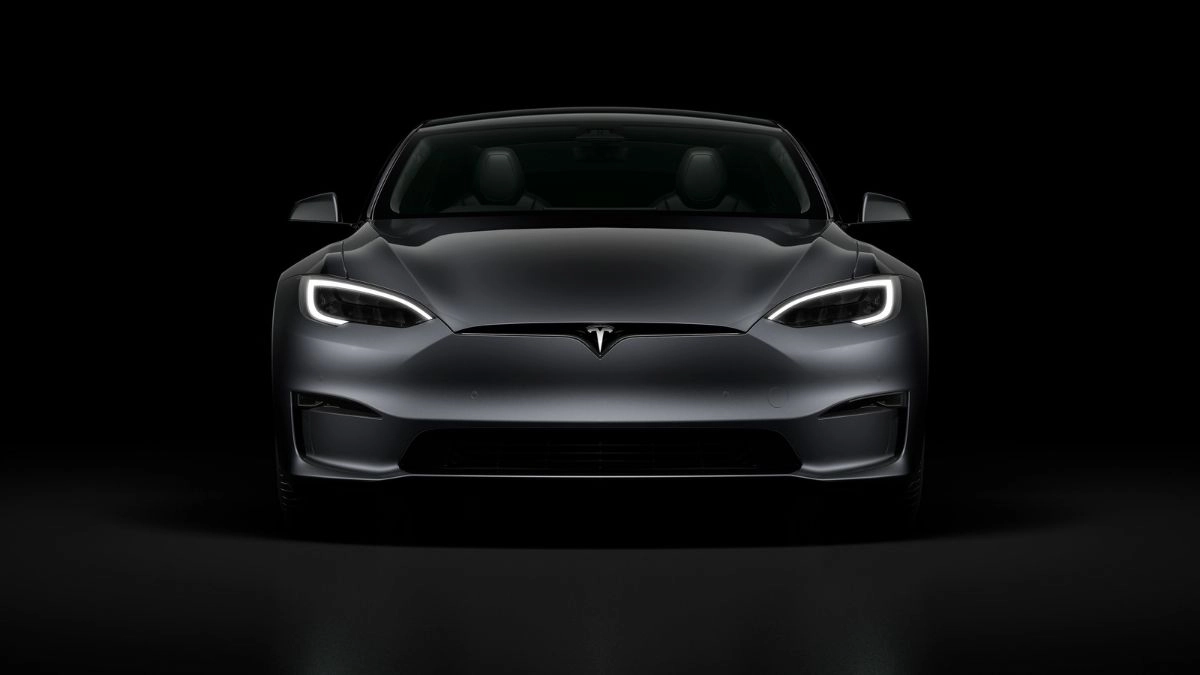

India has been featured for some time on Tesla's roadmap as one of the great opportunities to consolidate its global presence. Not only because of its population size—1.463 billion people—but also because of the rapid growth of its urban middle class and the government's push for electric mobility.
Against this backdrop, the brand's official arrival in 2025 sparked enormous expectations both in the automotive sector and among consumers.
But reality has been very different from the script planned in Silicon Valley. The entry strategy was deliberately conservative: opening just three dealerships, marketing a single model—the Model Y—and an annual import quota limited to only 500 units. Even so, even under these moderate parameters, the results have been alarmingly low. According to data published by local media, Tesla has barely managed to sell 227 vehicles since the start of its commercial operations in the country. This figure contrasts sharply with the size of the market and with the internal projections the company used for its Asian expansion. The meager public response forced Tesla to make an unusual decision for a brand that for years was characterized by waiting lists and demand exceeding supply: applying discounts. Currently, about a third of the vehicles available in inventory—just under 300 units—are being sold with discounts of around $2,200 per unit, an approximate conversion of the incentives originally applied in European currency. The measure seeks to stimulate a market that, until now, has been lukewarm towards the American product. This price adjustment is particularly significant because Tesla rarely resorts to discounts so soon after starting operations in a new country.In other emerging markets, such as Southeast Asia and the Middle East, the company managed to stabilize sales without resorting to these types of incentives in the first few months. In India, however, competitive pressure and structural barriers have weighed more heavily than expected. BYD and BMW dominate the electric vehicle market. While Tesla tries to find its place, other manufacturers have made steady progress. BYD, the Chinese electric vehicle giant, has managed to sell approximately 5,800 units in the same period, establishing itself as the most visible foreign electric vehicle brand in the country. BMW is also keeping pace. The German firm has registered around 3,700 electric vehicles, with year-on-year growth of nearly 88%, a remarkable figure in a segment that is still developing within the Indian market. BYD, for its part, has achieved a sales increase of nearly 200% compared to 2024, supported by a diversified offering and an industrial strategy more aligned with the requirements of the local government. The contrast leaves Tesla in an uncomfortable position: third in the pack, with a token presence and much lower public visibility than its direct rivals. Taxes, factories, and strategic decisions. A substantial part of the problem lies in Indian tax policy. Vehicles manufactured outside the country are subject to taxes that can reach up to 110%, a level that drastically increases the price of any imported model. In the case of the Tesla Model Y, this tax scheme raises its entry price to around $70,000, placing it in a price range that is not very accessible to most consumers, even within the premium segment. BMW and BYD, on the other hand, opted for alliances with local manufacturers and partial assembly schemes within the country. This decision allows them to benefit from significantly lower taxes and offer more competitive prices without sacrificing profit margins. Paradoxically, India had shown for years a clear preference for attracting Tesla investment for the construction of a local plant, even initially rejecting similar proposals from BYD. Elon Musk, however, decided not to move forward with building a factory in India, a decision now considered one of the brand's most costly strategic errors in Asia.
A blow to the global expansion narrative
The Indian setback not only affects Tesla's quarterly numbers. It also strikes at one of the core narratives the company has cultivated for over a decade:Its ability to successfully disrupt any market and redefine the rules of the game.
The combination of high prices, limited infrastructure, lack of local production, and increasingly aggressive competition has made India the scene of one of Tesla's most notorious commercial failures outside the United States and Europe.
For now, the company officially maintains its commitment to the country and has not announced any plans to withdraw. However, the discounts, low sales volume, and the rapid consolidation of BYD and BMW make it clear that if Tesla wants to aspire to more than a symbolic presence, it will have to fundamentally rethink its strategy in the most populous automotive market on the planet.