

SNAP restrictions: What consumers will lose and how big food companies will respond
New restrictions will prevent SNAP recipients from purchasing sugary drinks and confectionery products
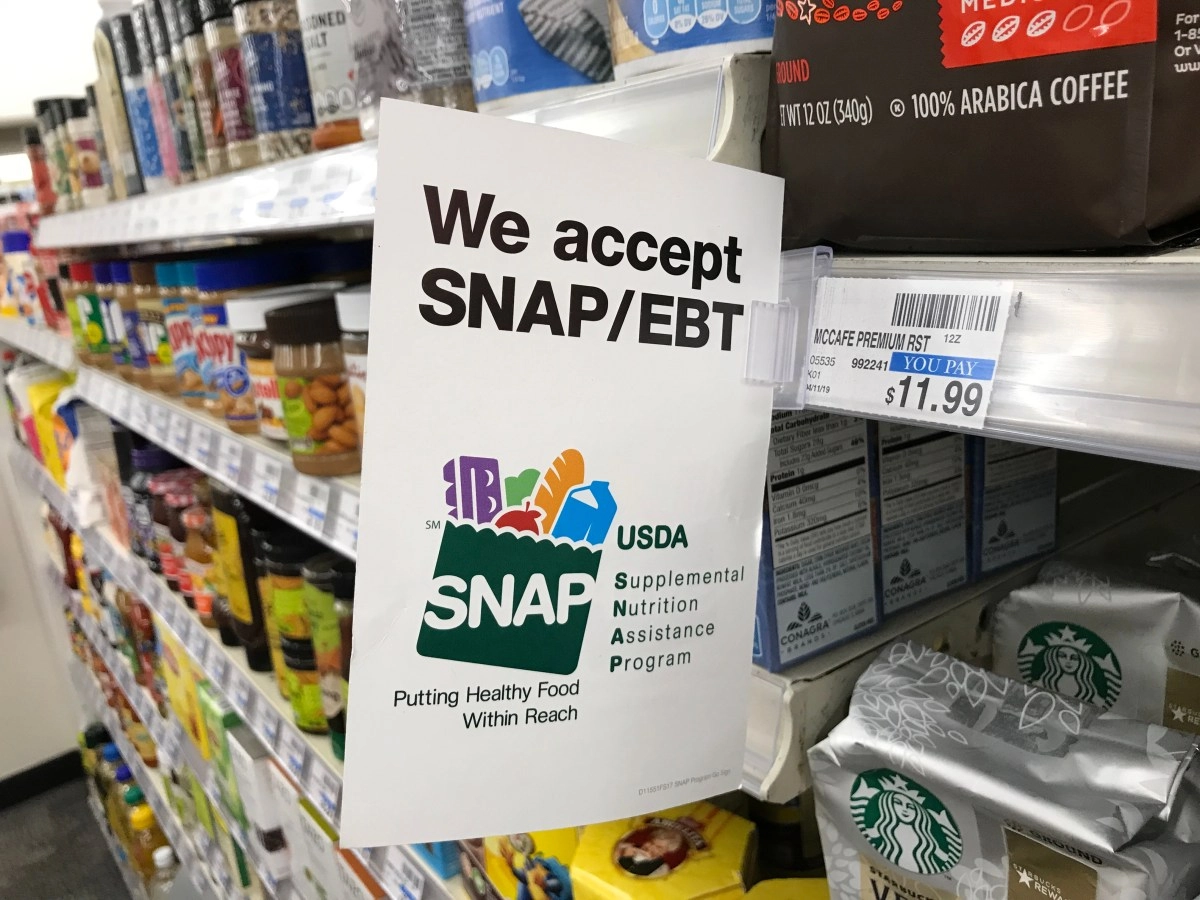

Each month, approximately 40 million people in the United States benefit from food stamps provided by the Supplemental Nutrition Assistance Program (SNAP), this financial aid is distributed among the lowest-income households with the aim of generating food security.
Funding for the program comes from the United States Department of Agriculture, which this year approved some food restrictions in at least 23 states in the country; This means that certain foods and beverages can no longer be purchased through the EBT benefits card.
The new SNAP regulations focus on specifically limiting the purchase of sugary drinks and confectionery products, but according to the research firm Numerator, this could reduce sales of these types of foods by $830 million this year, affecting large manufacturers such as Hershey, PepsiCo, Coca-Cola and Kraft Heinz, among others, who have had to adapt to the new consumer habits of Americans.
In recent months, many states have joined the legislation of the “Make America Healthy Again” movement, which seeks to reduce the consumption of ultra-processed foods, especially in schools and academic institutions.
In this regard, Iowa Governor Kim Reynolds believes that “this bill promotes the health and well-being of all Iowans, both today and for generations to come,” she said.
According to Numerator research, changes to the SNAP program also affect approximately one-third of recipients; However, for Reynolds, “reorienting federal food assistance programs toward the real purpose for which they were created will help low-income families afford more nutritious foods,” he said.
For its part, a Hershey spokesperson commented: "We have seen some uncertainty among consumers when it comes to paying as the new restrictions come into effect. We anticipate that this situation will improve as management in stores improves, rules become clearer and SNAP recipients can plan and budget more confidently," he told CNBC.