

How much does a 2026 FIFA World Cup referee earn?
Although they are not the figures of the 2026 FIFA World Cup, the referees are essential and this would earn them in bonuses per match and final phases
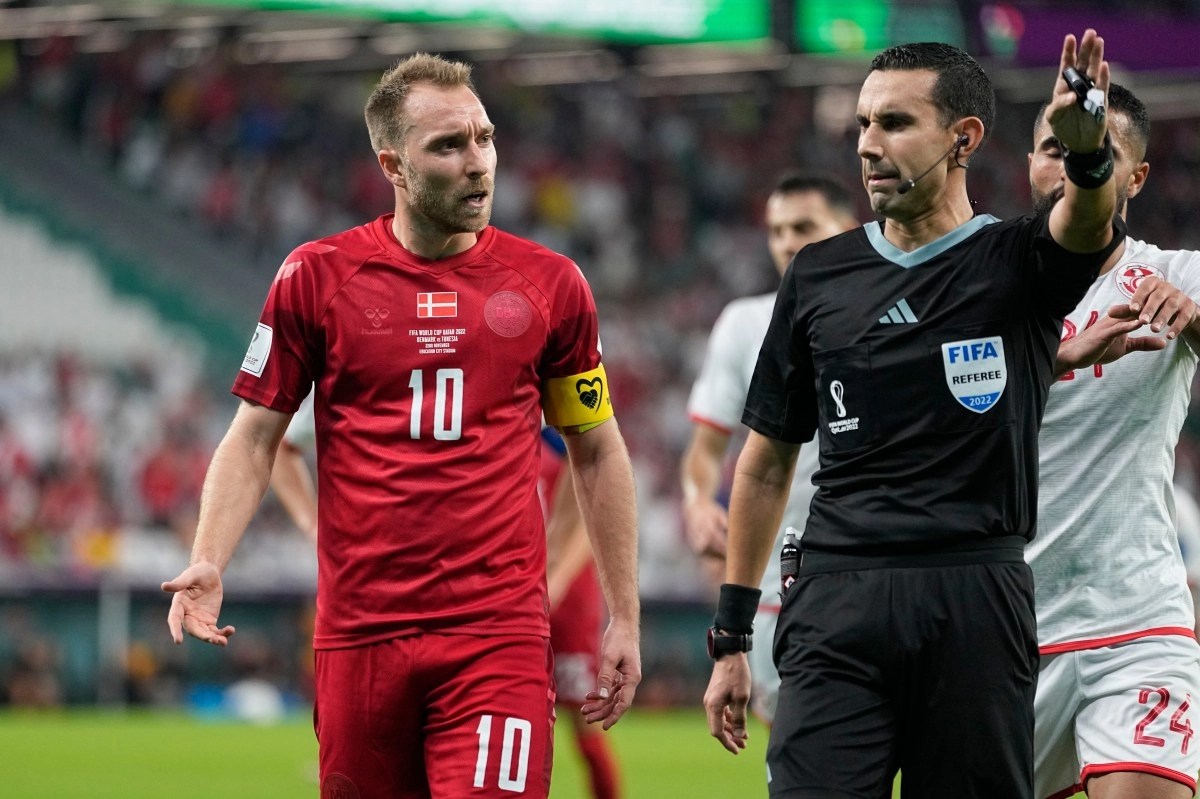

While soccer stars monopolize the spotlight during the 2026 FIFA World Cup, there is another group of protagonists whose work will be decisive in each match: the referees. Beyond the pressure of making decisions in matches watched by millions of people, these officials will also receive financial compensation that is among the highest in the tournament's history.
According to information published by The Times, the referees selected for the 2026 World Cup will receive more than $100,000 for their participation. The figure represents a significant increase compared to the 2022 World Cup in Qatar, when the main referees received approximately $70,000 as a base salary.
However, this amount is not the maximum income they could acquire, since the payment scheme implemented by the International Federation of Association Football (FIFA) contemplates additional compensation per match and special bonuses for those designated in the most important stages of the competition.
This means that referees who manage to advance to the knockout rounds, semi-finals or even the final of the championship will be able to considerably increase their earnings. In other words, the officials with the best performance during the tournament are the ones who are most likely to receive the highest payments.
The increase in remuneration coincides with a historic edition of the World Cup. For the first time, 48 national teams will participate, which will expand the calendar to a total of 104 games. This new format increases the workload for the refereeing bodies and increases the importance of each decision on the field of play.
To face this challenge, FIFA formed a large team of officials, with 52 main referees, 88 assistant referees and 30 referees specialized in the video referee (VAR) system. Those chosen come from the six continental confederations and represent 50 national football associations.
“The referees selected are the best in the world,” said Pierluigi Collina, president of the FIFA Referees Committee. "They were part of a wider group of referees who were identified and monitored over the past three years. Their performance in domestic and international matches was assessed periodically."
The figures reported by The Times also show how the economic value of World Cup refereeing has evolved. According to the British media, the amounts planned for 2026 practically double those that some referees received during the 2014 World Cup, reflecting FIFA's interest in attracting and retaining the best officials available.
Among the referees selected for this edition are recognized names from international football such as Szymon Marciniak (Poland), César Arturo Ramos (Mexico), Michael Oliver and Anthony Taylor (England).
However, reaching the final does not depend solely on referee performance. FIFA usually prevents a referee from officiating matches involving his country's team. For example, an English referee could hardly be appointed for a hypothetical final in which England competed.
With more teams, more matches and unprecedented media attention, the 2026 FIFA World Cup referees will face one of the biggest challenges of their careers. At the same time, they will have the opportunity to access record income in one of the most undervalued professions for football fans.