

Oil prices fall and stocks rise after agreement announced between Trump and Iran
With the agreement, the reopening of the Strait of Hormuz and the lifting of the US naval blockade on Iranian ports is expected.
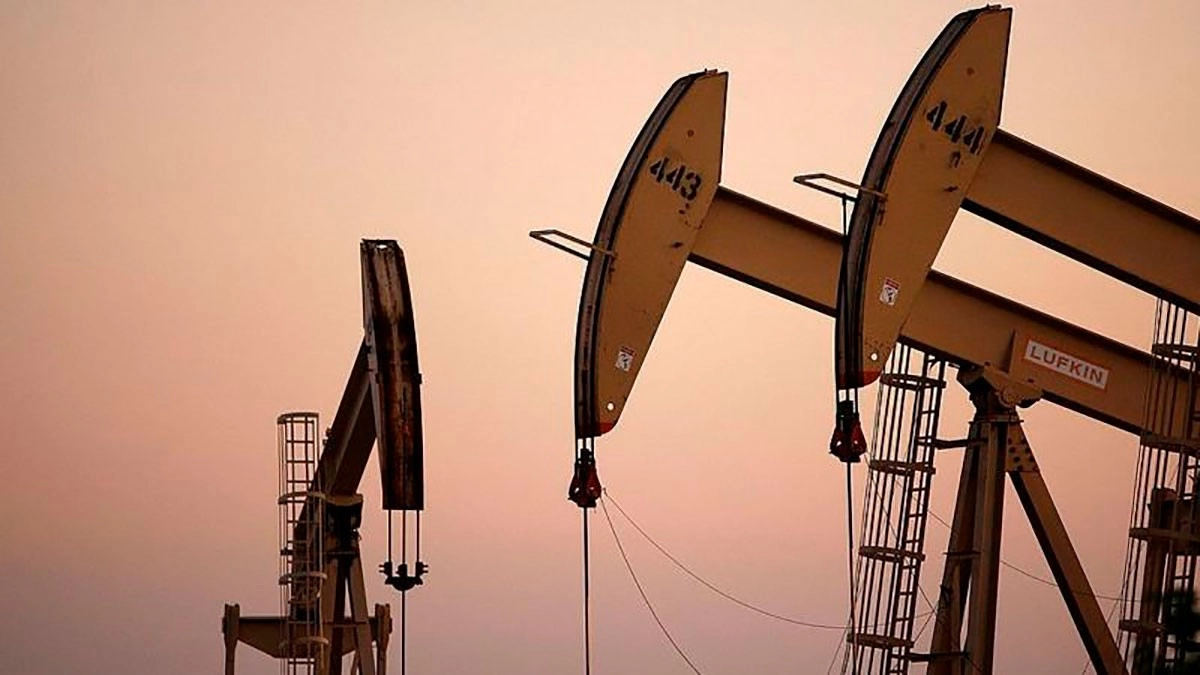

After four months of conflict between the United States and Israel against Iran that caused the closure of the Strait of Hormuz, through which nearly 20% of the world's crude oil transits, this Monday oil prices fell to their lowest levels since March, after a preliminary agreement was announced to end the war.
On Sunday, June 14, President Donald Trump and Pakistani Prime Minister Shehbaz Sharif reported an agreement between both countries to not only end the conflict, but also reopen the Strait of Hormuz and lift the US naval blockade on Iranian ports. “The agreement with the Islamic Republic of Iran is now complete,” commented the US president.
At the beginning of this week, the international reference oil, Brent, which before the conflict was around $70 per barrel, stood at $82.86 per barrel, representing a 5.1% drop from its maximum of $103 per barrel in mid-March.
While the US benchmark crude oil, West Texas Intermediate, fell 5.8% to settle at $79.98 per barrel at the beginning of this week from its high of $100 per barrel in mid-March; however, it is still above the pre-war $60 per barrel.
The rise in oil prices in recent months also caused fuel costs to rise in the United States, rising to almost $5 per gallon, which represented an increase of 50%, one of the highest levels since 2023. This partly fueled the galloping inflation rate, which stood at 4.2% year-on-year in May.
In this regard, economists such as Neil Shearing, head of the Capital Economics group, point out that "although the agreement reopens the strait immediately, it will not prevent inflation from continuing to rise a little more in the short term, nor will it prevent some economic damage during the third quarter," he said.
For his part, Vail Hartman, interest rate strategist at BMO in the United States, commented that the oil crisis is not over and we are not yet in a position to regain hopes of interest rate cuts this year. “We would need more concrete changes in the macroeconomic outlook.”