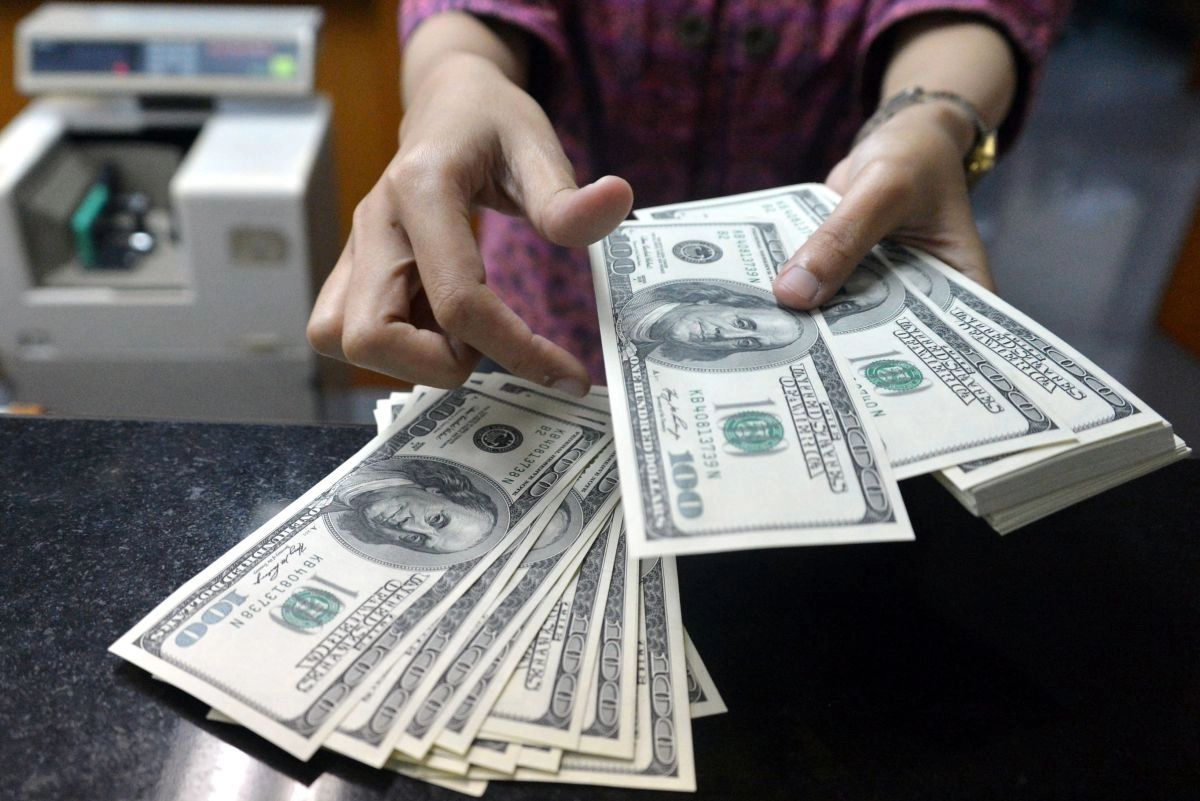
Buying a property is out of reach for many workers, however, renting is gradually becoming more unaffordable for many budgets. Since the pandemic in 2020, the cost of renting an apartment has risen much faster than incomes, leaving many households with very little room to manage their monthly expenses. Far from slowing down, this trend continues to set the pace in the country's major metropolitan markets. A recent analysis by LendingTree shows that in the 50 largest cities in the country, the rent for a one-bedroom apartment increased by an average of $457 per month. This rise represents a 41% increase, bringing the average price to around $1,578 per month. Meanwhile, two-bedroom units also became more expensive, rising by about $505, or 37%, to around $1,858. These increases significantly outpace wage growth since 2019, a period in which, according to Zillow and StreetEasy, rents have advanced "1.5 times faster than wages." The problem isn't just mathematical. It's also emotional and practical. “If your income increases at the same time as your rent, that extra expense might not be a big deal,” notes Matt Schulz, an analyst at LendingTree. “However, the financial margin for so many Americans is tiny… so having to allocate hundreds of extra dollars each month can be a big problem.” The factors behind these increases are numerous. One of them was the surge in remote workers during the pandemic. Many moved to markets that were not traditionally as in demand by renters. “Everything we saw during the pandemic has created tensions in the system… and it will take time to adjust,” said Rob Bhatt, an analyst at LendingTree. Added to this are high home purchase prices and elevated mortgage rates, which are keeping more families renting for longer periods and competing for limited inventory. Among the cities with the largest increases are New York, San Diego, and Miami.There, one-bedroom rents rose by $854, $817, and $764, respectively. For two-bedroom units, the increases were $857 in New York, $877 in San Diego, and $885 in Miami. In Miami's case, population growth resulting from national and international migration has put even more pressure on prices. The top 10 cities with the largest increases in one-bedroom rents are Riverside, Tampa, Sacramento, Atlanta, Orlando, Boston, and Phoenix. In all these markets, the increase exceeds $550, and in several cases, the percentage jump reaches more than 60%. The data for two-bedroom apartments maintains a similar trend, with Riverside, Sacramento, Tampa, and Orlando among the most affected. Not all cities are experiencing the same situation. San Francisco shows a more moderate trend. There, a one-bedroom apartment only increased by $54 in five years. For two-bedroom apartments, the increase was $51. That slowdown is unusual among major West Coast cities. LendingTree also identifies other markets with more moderate growth, such as Birmingham, Oklahoma City, San Antonio, and St. Louis.
You may also be interested in: