

The “Kia Challenge” is expensive: there are free repairs
US justice put an end to one of the most safety viral scandals in years. Hyundai and Kia will have to repair millions of vehicles free of charge
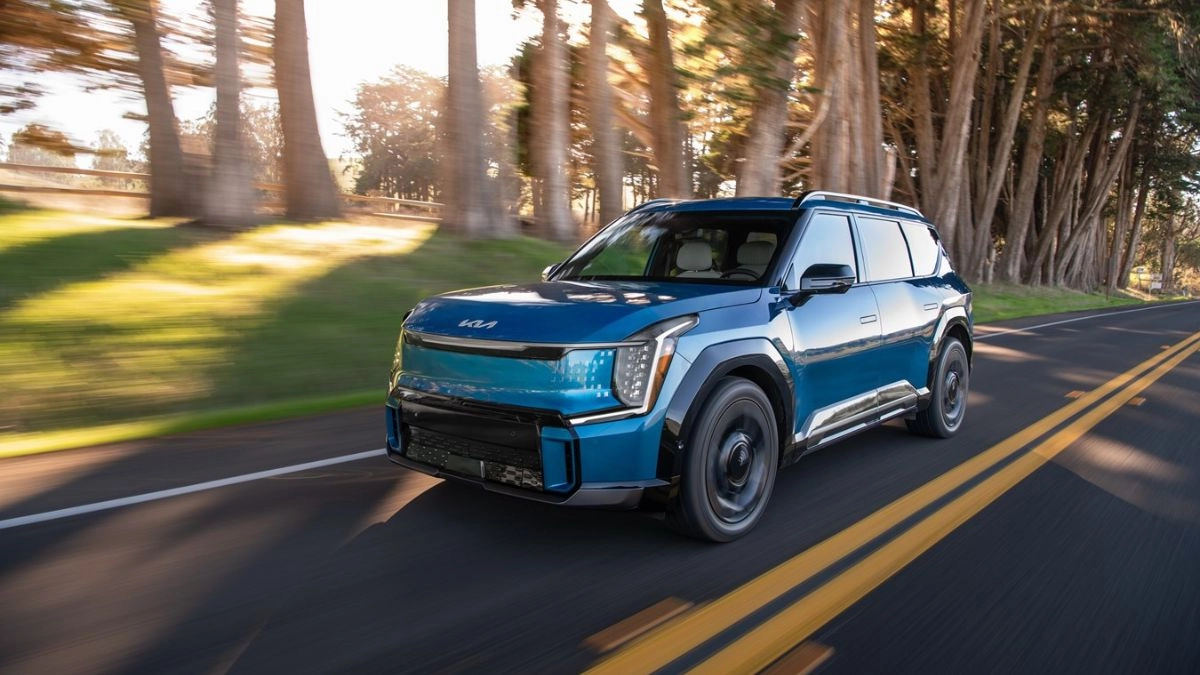

What began as a dangerous trend on social media ended up becoming a national court case. Starting in 2021, thousands of Hyundai and Kia owners began reporting thefts with a common pattern: cars stolen in a matter of seconds and without sophisticated techniques.
Videos shared mainly on TikTok showed how some models could be started with basic tools, a practice that quickly went viral under the name “Kia Challenge”.
The impact was immediate. Entire cities registered sharp increases in the feet of these vehicles, as owners watched their cars become easy targets. Although the brands introduced safety improvements in more recent models, the damage had already been done to millions of units manufactured over more than a decade.
The ruling that requires millions of cars to be repaired
After months of investigations and class-action lawsuits, the US justice system ruled in favor of consumers. A legal agreement reached by attorneys general of 35 states requires Hyundai and Kia to assume responsibility for vehicles manufactured between 2011 and 2022 that do not have an engine immobilizer, an anti-theft system considered standard in the industry.
The process was led by Minnesota Attorney General Keith Ellison and included the participation of key states such as California, New York, New Jersey, and Pennsylvania. According to data cited by the Associated Press, approximately 9 million vehicles sold in the United States meet the requirements of the agreement.
The cost to the brands will not be insignificant.
Estimates suggest that Hyundai and Kia will have to assume expenses that could exceed $500,000,000, a figure that reflects the magnitude of the problem and its impact on the automotive market.
Free Repairs and Technical Solutions
The agreement Stipulates that all eligible owners will have access to free repairs at authorized dealerships.The technical solution includes the installation of a zinc sleeve on the steering rack, designed to block access to the ignition cylinder and make it more difficult to start the vehicle illegally.
In addition, both manufacturers have already begun a nationwide rollout of free anti-theft software updates. These updates strengthen the vehicle's electronic security and aim to close the vulnerability that allowed these models to be stolen for years.
The measure is mandatory and does not depend on whether the vehicle has already been stolen. The goal is to reduce future risk and restore confidence to millions of drivers who were directly or indirectly affected by the wave of thefts.
Financial Compensation for Those Affected
The agreement is not limited to technical solutions. Hyundai and Kia will also have to financially compensate owners whose vehicles were stolen or damaged during attempted thefts. A restitution fund was created for this purpose, providing payments of up to $4,500,000 to cover direct losses, related expenses, and other associated damages. Both brands confirmed the creation of special compensation programs to address the most serious cases. In statements sent to specialized media outlets, Hyundai stated that this agreement represents "another step in the fight against thefts of certain vehicles from 2011 to 2022," while Kia asserted that it has worked "tirelessly" on developing more effective solutions against theft methods disseminated on social media. A key flaw: the absence of the immobilizer. The technical origin of the problem is clearly identified. Many Hyundai and Kia models manufactured between 2011 and 2022 did not include an engine immobilizer, a device that prevents the vehicle from starting if the correct key is not detected. This protection is common in most manufacturers, but its absence left these cars especially vulnerable. This vulnerability was exploited and amplified by the viral nature of social media. The “Kia Challenge” not only increased thefts but also had collateral effects: higher insurance premiums, coverage restrictions, and, in some cases, insurers refusing to cover specific models. Designed to block access to the ignition cylinder and make it difficult to illegally start the vehicle.
In addition, both manufacturers have already begun a nationwide rollout of free anti-theft software updates. These updates strengthen the vehicle's electronic security and aim to close the vulnerability that allowed these models to be compromised for years.
The measure is mandatory and does not depend on whether the vehicle has already been stolen. The goal is to reduce future risk and restore confidence to millions of drivers who were directly or indirectly affected by the wave of thefts.
Financial compensation for those affected
The agreement is not limited to technical solutions. Hyundai and Kia will also have to financially compensate owners whose vehicles were stolen or damaged during attempted thefts. A restitution fund was created for this purpose, providing payments of up to $4,500,000 to cover direct losses, related expenses, and other associated damages. Both brands confirmed the creation of special compensation programs to address the most serious cases. In statements sent to specialized media outlets, Hyundai stated that this agreement represents "another step in the fight against thefts of certain vehicles from 2011 to 2022," while Kia asserted that it has worked "tirelessly" on developing more effective solutions against theft methods disseminated on social media. A key flaw: the absence of the immobilizer. The technical origin of the problem is clearly identified. Many Hyundai and Kia models manufactured between 2011 and 2022 did not include an engine immobilizer, a device that prevents the vehicle from starting if the correct key is not detected. This protection is common in most manufacturers, but its absence left these cars especially vulnerable. This vulnerability was exploited and amplified by the viral nature of social media. The “Kia Challenge” not only increased thefts but also had collateral effects: higher insurance premiums, coverage restrictions, and, in some cases, insurers refusing to cover specific models. Designed to block access to the ignition cylinder and make it difficult to illegally start the vehicle.
In addition, both manufacturers have already begun a nationwide rollout of free anti-theft software updates. These updates strengthen the vehicle's electronic security and aim to close the vulnerability that allowed these models to be compromised for years.
The measure is mandatory and does not depend on whether the vehicle has already been stolen. The goal is to reduce future risk and restore confidence to millions of drivers who were directly or indirectly affected by the wave of thefts.
Financial compensation for those affected
The agreement is not limited to technical solutions. Hyundai and Kia will also have to financially compensate owners whose vehicles were stolen or damaged during attempted thefts. A restitution fund was created for this purpose, providing payments of up to $4,500,000 to cover direct losses, related expenses, and other associated damages. Both brands confirmed the creation of special compensation programs to address the most serious cases. In statements sent to specialized media outlets, Hyundai stated that this agreement represents "another step in the fight against thefts of certain vehicles from 2011 to 2022," while Kia asserted that it has worked "tirelessly" on developing more effective solutions against theft methods disseminated on social media. A key flaw: the absence of the immobilizer. The technical origin of the problem is clearly identified. Many Hyundai and Kia models manufactured between 2011 and 2022 did not include an engine immobilizer, a device that prevents the vehicle from starting if the correct key is not detected. This protection is common in most manufacturers, but its absence left these cars especially vulnerable. This vulnerability was exploited and amplified by the viral nature of social media. The “Kia Challenge” not only increased thefts but also had collateral effects: higher insurance premiums, coverage restrictions, and, in some cases, insurers refusing to cover specific models. The goal is to reduce future risk and restore confidence to millions of drivers who were directly or indirectly affected by the wave of thefts. have to financially compensate owners whose vehicles were stolen or damaged during attempted thefts.
To this end, a restitution fund was created that includes payments of up to $4,500,000 to cover direct losses, related expenses, and other associated damages.
Both brands confirmed the creation of special compensation programs to address the most serious cases. In statements sent to specialized media outlets, Hyundai affirmed that this agreement represents “another step in the fight against thefts of certain vehicles from 2011-2022,” while Kia asserted that it had worked “tirelessly” on developing more effective solutions against theft methods disseminated on social media. A key flaw: the absence of an immobilizer. The technical origin of the problem is clearly identified. Many Hyundai and Kia models manufactured between 2011 and 2022 did not incorporate an engine immobilizer, a device that prevents the vehicle from starting if the correct key is not detected. This protection is common in most manufacturers, but its absence left these cars especially vulnerable. This vulnerability was exploited and amplified by the viral nature of social average. The “Kia Challenge” not only increased thefts, but also had collateral effects: higher insurance premiums, coverage restrictions, and, in some cases, insurers refusing to cover specific models. The goal is to reduce future risk and restore confidence to millions of drivers who were directly or indirectly affected by the wave of thefts.
Financial Compensation for Those Affected
The agreement is not limited to technical solutions. Hyundai and Kia will also have to financially compensate owners whose vehicles were stolen or damaged during attempted thefts.
To this end,a restitution fund was created that includes payments of up to $4,500,000 to cover direct losses, related expenses, and other associated damages.
Both brands confirmed the creation of special compensation programs to address the most serious cases. In statements sent to specialized media outlets, Hyundai affirmed that this agreement represents “another step in the fight against thefts of certain vehicles from 2011-2022,” while Kia asserted that it had worked “tirelessly” on developing more effective solutions against theft methods disseminated on social media. A key flaw: the absence of an immobilizer. The technical origin of the problem is clearly identified. Many Hyundai and Kia models manufactured between 2011 and 2022 did not incorporate an engine immobilizer, a device that prevents the vehicle from starting if the correct key is not detected. This protection is common in most manufacturers, but its absence left these cars especially vulnerable. This vulnerability was exploited and amplified by the viral nature of social media. The “Kia Challenge” not only increased thefts, but also had collateral effects: higher insurance premiums, coverage restrictions, and, in some cases, insurers refusing to cover specific models. The absence of the immobilizer
The technical origin of the problem is clearly identified. Many Hyundai and Kia models manufactured between 2011 and 2022 did not incorporate an engine immobilizer, a device that prevents the vehicle from starting if the correct key is not detected. This protection is common in most manufacturers, but its absence left these cars especially vulnerable.
This vulnerability was exploited and amplified by the virality of social media. The “Kia Challenge” not only increased thefts but also had collateral effects: higher insurance premiums, coverage restrictions, and, in some cases, insurers refusing to cover specific models.