

There is controversy: experts question Tesla's safety figures
An investigation based on testimonies from former employees and experts questions the safety statistics that Tesla attributes to its FSD system
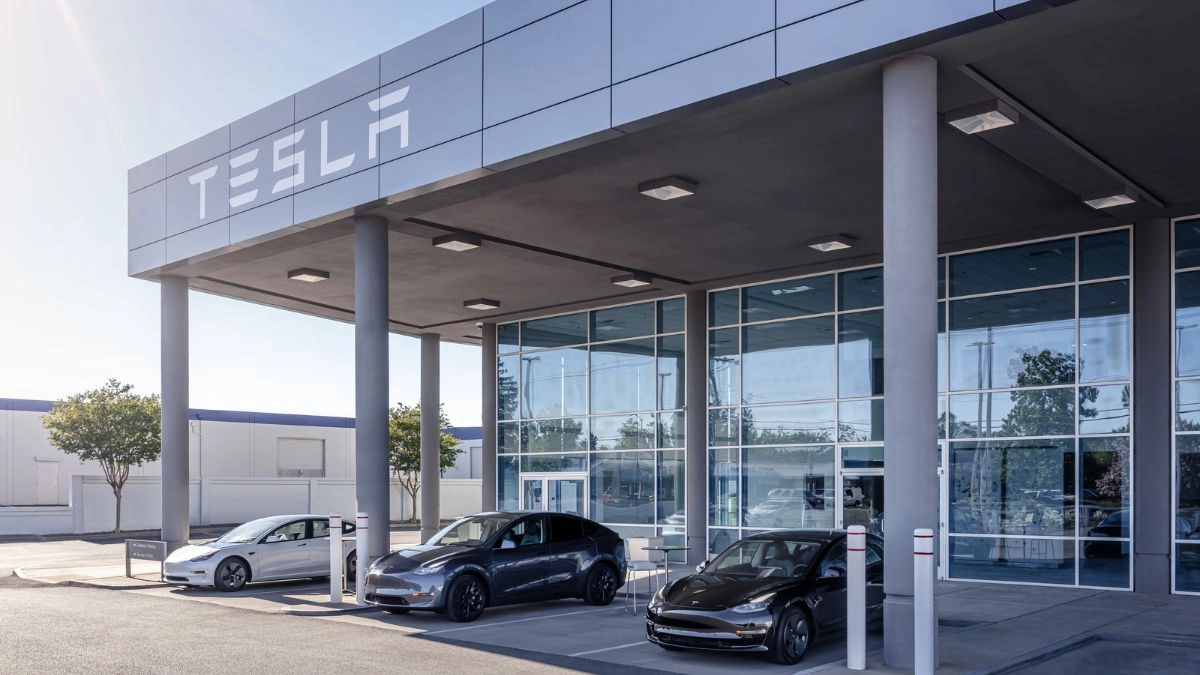

While Tesla insists that its driving assistance technologies represent a significant leap in road safety, recent research has once again put the spotlight on the limitations and challenges faced by its Full Self-Driving (FSD) system.
Read also: The large SUVs that cause the least problems in the United States
The controversy arises from a report prepared by Reuters, which compiled testimonies from former company workers and opinions from road safety specialists. The result paints a much more complex picture than that usually presented by the American brand.
You can read: A great date: the battle of guarantees between three luxury brands
The testimonies that reopen the debate
Part of the investigation is based on statements from people who were directly involved in the training of the artificial intelligence used by Tesla. These employees reviewed recordings captured by FSD-equipped vehicles to identify errors and help improve software performance.
According to the testimonies collected, the system continued to show difficulties in reacting correctly in situations that any advanced driving technology should handle reliably. These include emergency vehicles, construction zones, school buses, pedestrians, motorcyclists and even animals crossing the road.
Some former employees claimed to have observed recordings in which Tesla vehicles collided with dogs, cats or deer without performing a prior braking maneuver. They also mentioned episodes where driver intervention was necessary to avoid potentially serious incidents.
Statistics are also under the magnifying glass
Beyond the operation of the system, another point that generates controversy has to do with the figures that Tesla uses to support its safety claims.
The company has noted on several occasions that vehicles equipped with FSD or Autopilot travel significantly longer distances between accidents than the average American driver. However, several experts consider that the comparisons used are not equivalent.
One of the questions suggests that Tesla compares certain types of its own accidents with federal databases that include broader categories of accidents. This methodological difference could significantly alter the final results.
Specialists also highlight another relevant factor. The average age of the Tesla vehicles analyzed is around 4.1 years, while the general vehicle fleet in the United States is close to 12.8 years old. This difference implies that Tesla models have more modern safety technologies than many of the vehicles used as a reference.
The driver is still essential
Despite its name, Full Self-Driving does not turn the car into a fully autonomous vehicle. Tesla continues to indicate in its official documentation that the driver must remain attentive at all times and be prepared to intervene when necessary.
This detail is essential to understand the real scope of the technology. In practice, the system works as an advanced assistance tool and not as a total substitute for the person behind the wheel.
The investigation also notes that some Tesla public demonstrations would have required considerable advance preparation. Former employees claimed that certain routes used to showcase the system's capabilities were studied and adjusted for weeks or even months before being shown to the public.
The report's conclusions do not mean that the FSD system lacks important advances. In fact, many specialists recognize that it is one of the most ambitious driving assistance technologies on the market.
However, questions about the way Tesla presents its statistics and the system's ability to perform safely in all circumstances continue to generate debate.