

Trump pardons nine diesel engine preparers
The presidential pardon of nine diesel engine preparers revives the discussion about environmental standards in the United States
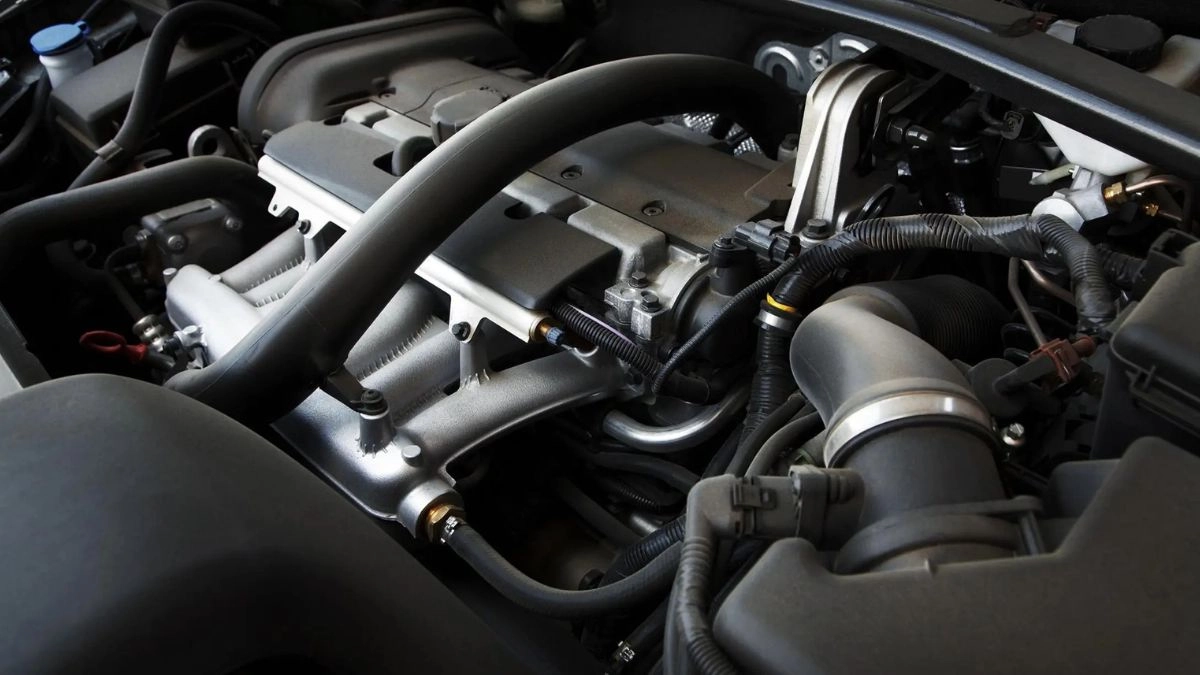

A decision by President Donald Trump once again put on the table a discussion that has divided the automotive industry in the United States for years.
Read also: Subaru will keep the price of its electric SUVs unchanged in 2027
The president granted clemency to nine mechanics and diesel engine modification specialists who had been convicted of tampering with emissions control systems required by federal legislation.
You can read: Fiat Topolino arrives in the US for less than $14,000 dollars
The measure does not change current environmental regulations, but it does represent a political signal that many interpret as support for the vehicle customization sector. At the same time, it opens a new chapter in the debate between those who defend strict regulation and those who consider that the restrictions have gone too far.
The modifications were prohibited by law
The beneficiaries had been prosecuted for installing or marketing so-called “defeat devices”, electronic or mechanical systems designed to deactivate the emissions controls of diesel engines.
These modifications usually eliminate or alter components such as the particulate filter or the gas recirculation system, known to reduce pollution. However, they can also improve vehicle performance or lower some maintenance costs, which is why they are popular with certain truck and work vehicle owners.
According to the American justice system, these practices violated the Clean Air Act, the federal law that regulates polluting emissions from vehicles.
A message that goes beyond the nine cases
The scope of the pardon transcends the mechanics involved. For a large part of the engine accessories and preparation industry, the decision reflects a change in position from the White House regarding environmental policies that had tightened surveillance on these types of modifications.
In recent years, the United States Environmental Protection Agency has strengthened investigations against companies and workshops dedicated to installing devices intended to circumvent emissions controls.
Supporters of the presidential pardon maintain that many owners were simply seeking to improve the performance of their trucks without intending to commit a crime. In contrast, advocates of environmental regulations warn that these alterations increase pollution and affect the progress made in air quality.
The debate is still open
Although the pardon eliminates the federal convictions of these nine people, that does not mean that all the legal risks associated with these types of modifications disappear. Environmental authorities still have tools to investigate and sanction manufacturers, distributors or companies that market devices intended to manipulate anti-pollution systems.
For this reason, the outlook for those who carry out this type of preparation continues to be complex, especially because environmental legislation remains in force.
Trump's decision also fits within a broader strategy aimed at making part of the regulatory policies promoted in previous administrations more flexible. For some it represents a defense of the freedom to modify their vehicles, while for others it represents a step back in the fight against polluting emissions.