

They provide funds to help university students with food insecurity and housing instability
L.A. County delivers $500,000 to the Río Hondo College foundation
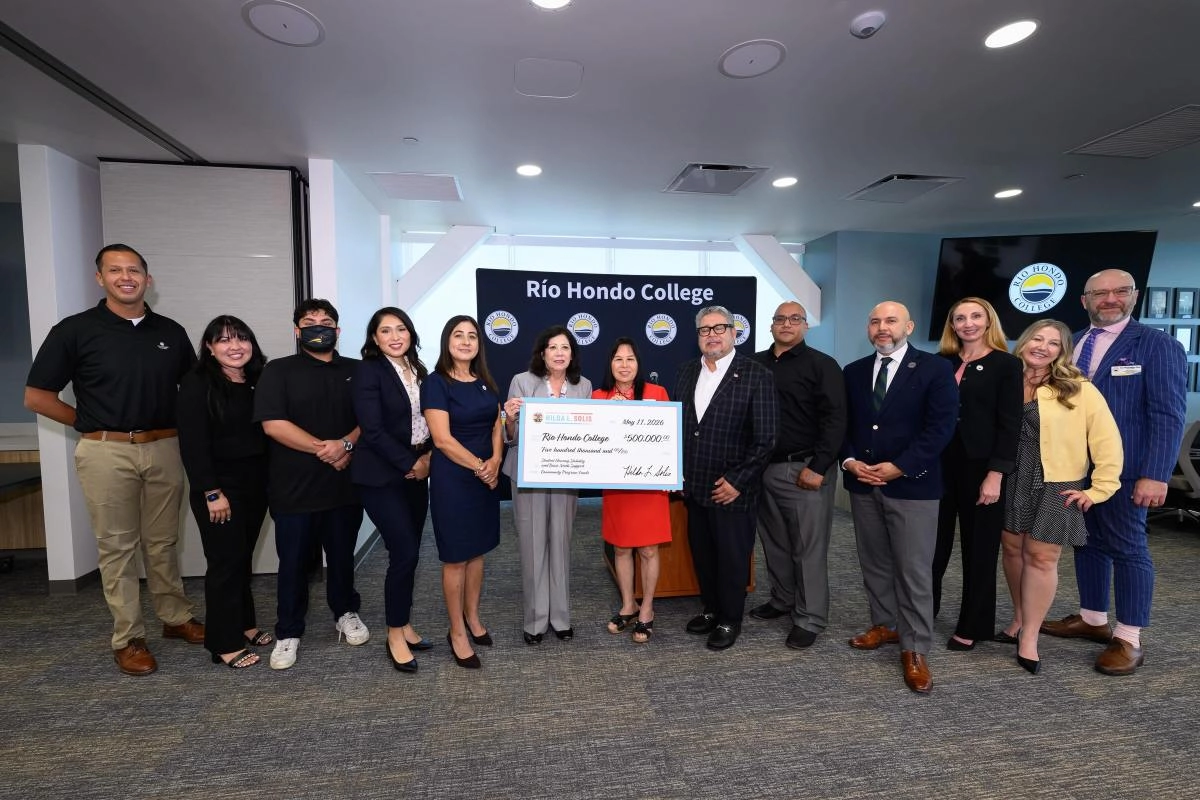

It's no secret that college students often face financial difficulties throughout their studies. That is why this last week and to help remedy some of these obstacles, Los Angeles County Supervisor for the First District, Hilda L. Solís, announced an investment of $500,000 for the Río Hondo College Foundation.
The funds seek to expand support services for housing stability and coverage of basic needs for Río Hondo College students who face housing insecurity and food instability.
The announcement was made during a press conference held at Río Hondo College, in the company of institution leaders, students, community partners and members of the Río Hondo Community College District Board of Trustees, including the president of the Board, Rosaelva Lomeli, and members of the department such as Anais Medina Díaz and Oscar Valladares.
“No student should be forced to sleep in their car, skip meals, or risk dropping out of school because they cannot meet their basic needs,” Solis said. “Access to dignity, stability and support should be a guaranteed right, not a barrier to education.”
"That's why I'm proud to make this investment. This will provide critical housing and food support so students can stay enrolled, complete their education, and achieve what they set out to do."
The funding will reinforce Río Hondo College's comprehensive, comprehensive strategy to meet basic needs through increased support for housing stability initiatives, including emergency housing assistance, housing subsidies, and moving support for students facing the insecurity of not having a roof over their heads.
Some of the money will also go toward supporting food security and basic needs, including expanded food bank services, meal assistance and additional resources for students facing food insecurity.
Additionally, they will provide support for student success and well-being, including continued support for the center's nationally recognized Hope Scholars program, which offers services tailored to the needs of homeless and unstable students.
“This funding represents a strong collaboration that demonstrates a shared commitment to equity, opportunity and student success,” said Superintendent and President Teresa Dreyfuss. “By addressing the basic needs of students, we are helping to eliminate barriers that may prevent them from achieving their educational goals.”
University leaders noted that the investment comes at a critical time as higher education institutions continue to address the growing challenges posed by students' basic needs following the loss of previous federal funding resources.
A new report from Trellis Strategies, based on responses from more than 65,000 students at two- and four-year colleges, analyzes students' financial security, their basic needs, and their perception of the support they receive from their colleges.
The report revealed that 54% of respondents had used a credit card in the last year. Most said they always pay their bills on time, but 47% of students at two-year colleges and 35% of students at four-year colleges said they do not pay their balance in full each month.
About 28% of students also reported using “buy now, pay later” services such as Klarna and Affirm, while 13% reported taking out loans.
By investing in housing stability, food security, and student support services, the initiative is expected to have a lasting impact on students, families, and the broader community.
“We are incredibly grateful for Supervisor Solís' continued collaboration and support of our students and community,” said Rosaelva Lomeli, Rio Hondo College Board of Trustees. "Their leadership and investment are helping to transform lives and strengthen our community through education and opportunity. At Río Hondo College, we remain deeply committed to meeting students' basic needs, including housing assistance, food security, and other critical resources that enable them to persevere and achieve their educational goals."