

A Hispanic woman who murdered her friend 14 years ago with more than 100 stab wounds is captured in Texas
Mayra Velásquez, 42, is accused of the murder of her friend Irasema Chávez, which occurred in January 2012.
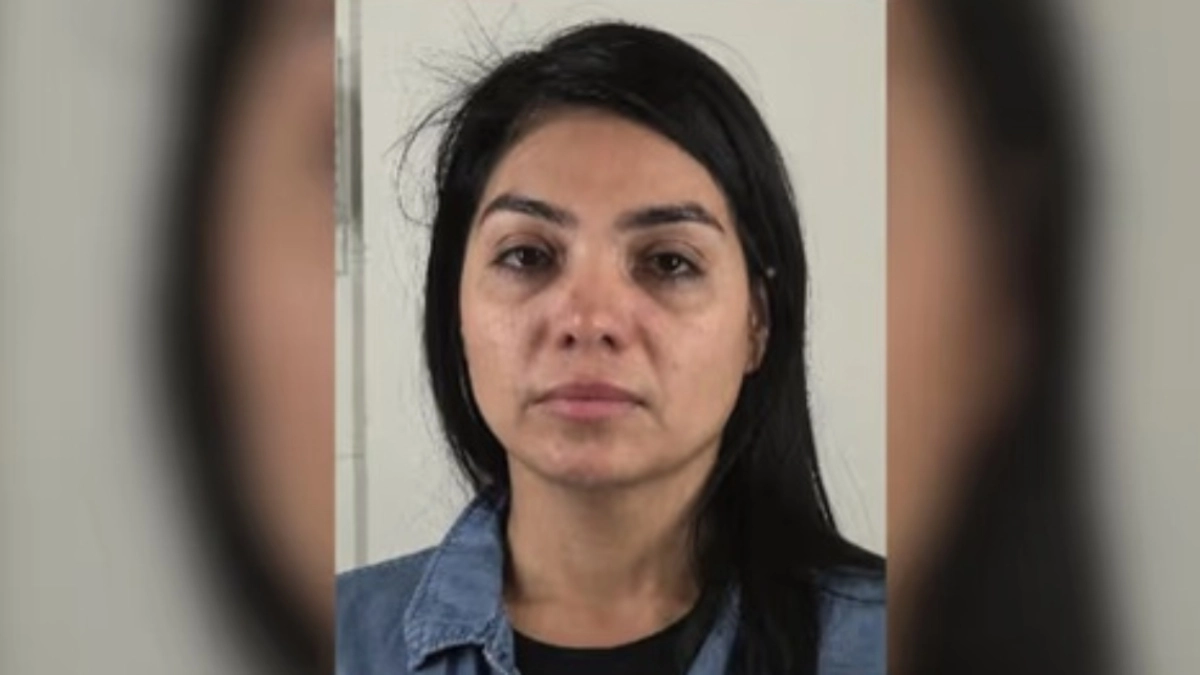

Texas authorities arrested Mexican Mayra Velásquez, 42, accused of the murder of her friend Irasema Chávez, a crime that occurred in January 2012 that remained unsolved for more than a decade until new DNA analysis techniques made it possible to identify the alleged perpetrator.
According to Arlington Police, Velasquez faces a charge of capital murder and remains detained without bail while the judicial process continues.
The homicide occurred on January 20, 2012 in an Arlington apartment complex, where Irasema Chávez, originally from Allende, Nuevo León, was found dead with more than 100 stab wounds.
From the beginning of the investigation, authorities determined that there were no signs of forced entry, so they considered that the victim probably knew her attacker.
The investigations included the analysis of surveillance video in which a person was observed entering the apartment the night before the crime. However, for years it was not possible to identify the suspect.
The case took a turn in 2016, when investigators obtained a genetic profile from blood located at the crime scene.
Later, in 2024, the Arlington Police worked together with the FBI using investigative genetic genealogy, a tool that allowed new leads to be developed until Mayra Velásquez was identified as the alleged perpetrator.
According to information released by Univision Dallas, Velásquez and Irasema Chávez were friends and both were originally from Nuevo León. The authorities have not publicly revealed the motive for the crime nor have they detailed the relationship they had at the time of the events.
After obtaining additional evidence derived from genetic research, a judge issued an arrest warrant and Velásquez was detained on July 17. She currently remains held in the Tarrant County Jail awaiting court hearings.
The case is considered one of the most recent examples of the use of genetic genealogy to solve homicides that remained unsolved for years, a technique that has gained relevance in investigations of unsolved cases in the United States.