

A necessary change in sun protection: FDA approves a new ingredient used for years in Europe
Experts highlight that this new ingredient offers superior protection against UVA rays, responsible for skin cancer and premature aging.
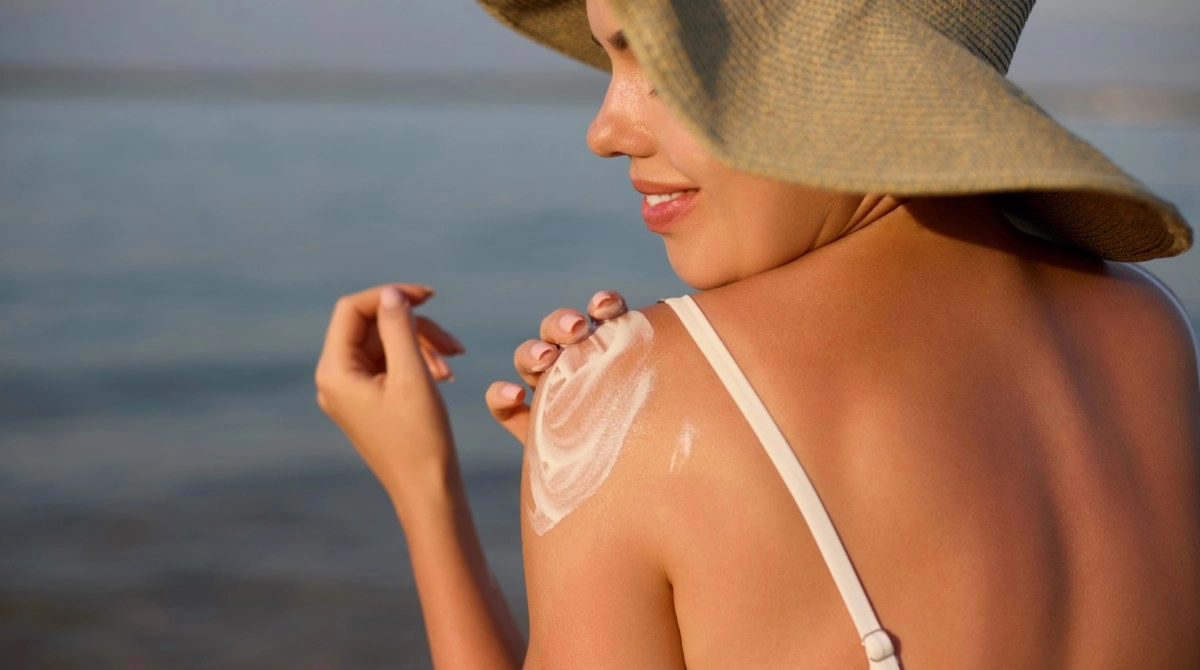

The Food and Drug Administration (FDA) has given the green light to bemotrizinol or BEMT, a sunscreen ingredient that has been used in Europe for decades. This is the first new ingredient approved in 20 years, marking a significant advance in the sunscreen industry.
“Bemotrizinol has been used safely in Europe for decades, and the FDA's action will increase competition and consumer confidence in sun protection products,” US Secretary of Health and Human Services Robert F. Kennedy said in a statement.
Experts highlight that this new ingredient offers superior protection against UVA rays, which are responsible for skin cancer and premature aging. According to studies, most sunscreens available in the US only provide a fraction of the UVA protection listed on SPF labels.
Prolonged efficacy of bemotrizinol
Bemotrizinol remains effective at high temperatures and can be combined with zinc oxide, which improves protection and reduces the whitish residue on the skin, a common complaint with other mineral sunscreens.
The Environmental Working Group (EWG) supports the approval of bemotrizinol, noting that it is a crucial step toward improving the safety and effectiveness of sunscreens in the U.S. This is considered especially relevant given the finding that many traditional ingredients can enter the bloodstream at potentially dangerous levels.
Of the 550 sunscreens recommended by EWG in its 2026 report, 497 are made primarily with minerals that remain on the surface of the skin and physically deflect and block the sun's rays, CNN highlights in a publication.
For his part, Dr. Jon LaPook, chief medical correspondent for CBS News, says that bemotrizinol does not break down as easily in the sun as currently available sunscreens, which means the protection lasts longer.
FDA requires chemical manufacturers to do research before they can be considered GRASE, meaning “generally recognized as safe and effective.”
That's a key reason why the approval of a new, safer chemical ingredient for sunscreens is excellent news, said David Andrews, EWG's chief scientific officer, quoted by CNN.
Action for modern regulation
Despite the progress, the Personal Care Products Council calls on the FDA to continue modernizing the regulation of ingredients in sunscreens. Previous proposals to clarify labels and improve consumer information have not yet been implemented.
The FDA's action aligns with efforts to update regulations around sun protection, highlighting the importance of ensuring safer and more effective options for American consumers. The approval of bemotrizinol represents significant progress toward improved public health in relation to sun exposure.
Thus, the FDA's action aligns with the priority of the “Make America Healthy Again” (MAHA) Strategic Report: “The FDA will promote innovation in the sunscreen market and improve regulatory processes for over-the-counter sunscreens, which have lagged behind other countries.”
Side effects of protectors with bemotrizinol
Bemotrizinol is generally considered a UV filter with a good safety profile and low irritation, but like any cosmetic ingredient, it can cause an allergic reaction or skin irritation in sensitive people. Cases of contact dermatitis have also been described, although they appear to be rare.
Available information suggests that bemotrizinol is rarely significantly absorbed into the skin and rarely causes irritation, so problems appear to be rare. Still, there aren't as many long-term studies as there are with other older ingredients, so vigilance is still prudent.
If after using it you notice hives, intense itching, swelling, eczema or repeated discomfort, it is advisable to stop using it and switch to another sunscreen. If you have difficulty breathing or a strong reaction, it requires urgent medical attention.
For most people, a sunscreen with bemotrizinol is a reasonable option and is usually well tolerated. If you have very sensitive skin or a history of allergies to cosmetics, it is usually a good idea to do a test on a small area before using it regularly.
You may also be interested in:
· Accessible natural ingredients that take care of your skin · Reveal the role of grapes in protecting the skin against the sun's UV rays · Acne is not just a matter for teenagers