

Fourteen years after DACA, I am still waiting for this country to recognize me as its own.
Juan Chávez Velasco was detained by ICE despite having DACA: "I spent months in detention, separated from my wife and children"
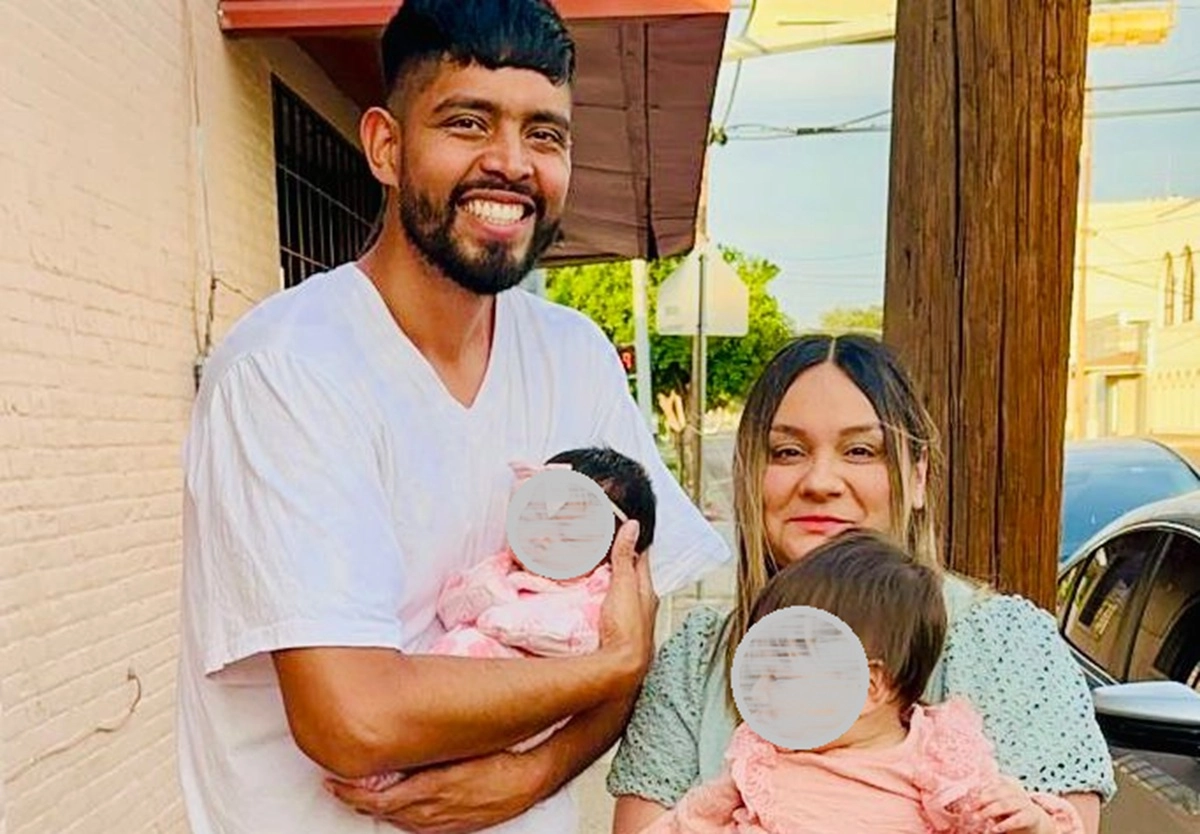

I was 8 years old when I came to the United States from Colombia. I was 21 when DACA gave me, for the first time, something resembling a future.
Today I am 35. I graduated from college with two bachelor's degrees. I work as a medical laboratory scientist in Texas. During the COVID-19 pandemic I was on the front lines, helping to sustain a health system on the brink of collapse. I bought a house and started a family. My wife is a US citizen and so are my three children. I don't.
On February 18, 2026, immigration agents stopped me on the street. I was going to the hospital to deliver breast milk to my newborn daughter, who had been in the neonatal intensive care unit for twelve days. At that time my DACA and work authorization were in effect.
Still, I was detained despite showing my current DACA, and spent months in detention, separated from my wife and children.
My wife said it better than me: "We had bought our house last year. We felt like we were finally building our future. We never imagined something like this could happen." Neither do I.
For years, the debate over DACA revolved around college students, young people full of promise. But that generation has already grown up. We are no longer teenagers daydreaming: we are workers, professionals, taxpayers, fathers and mothers of American children. We pay mortgages and taxes. We raise families. We build communities.
What DACA never was—nor promised to be—is a permanent solution. For fourteen years we have renewed temporary permits while trying to build permanent lives. It is a contradiction that is experienced in the body, like a fundamental threat that never completely disappears.
This June on this anniversary of DACA, I am not asking for privileges. I ask what any father asks: to be able to be present. Being able to bring milk to my daughter in the NICU without it becoming the last free act before an arrest.
That is why, on this anniversary, I make a concrete call: for an immediate end to the attacks against DACA recipients. This includes arrests, delays, deportations of people who complied with each of the rules. And that Congress approves a permanent solution once and for all. We have been waiting for fourteen years and our families cannot continue living in this limbo.
The question is no longer who we Dreamers are. We have more than demonstrated that.
The question is how much longer we will have to prove that we belong in the only country we have ever called home.