

The application of justice in Mexico
The paradox of this administration: For the opposition, the full weight of the State and express arrests; for the rulers themselves, rhetorical justifications

Mexican politics has always been full of scandals, but the speed with which they accumulate in this administration is unprecedented. The current scenario in Baja California and the national panorama paint an undeniable reality in full: justice in Mexico is applied with strict partisan criteria.
The epicenter of the political earthquake in that state revolves around Marina del Pilar Ávila Olmeda. The governor of Baja California is caught in a perfect storm that combines accusations of narcopolitics, bilateral tensions and suspicions of treason. After the loss of her US visa due to alleged links to organized crime – initially attributed to her ex-husband's entourage, triggering a timely divorce – the scandal reached a critical point in recent days with the leak of devastating audios. In the recordings, the president is heard arranging meetings and even offering Mexican security information to alleged US agents (who turned out to be a political trap) in order to clear her immigration situation and avoid extradition.
Given the seriousness of the audios, the Federal Government's response has been total protection. The security cabinet and the presidential palace immediately decreed that “there is no crime to pursue,” minimizing the incident as a simple private conversation or internal revenge.
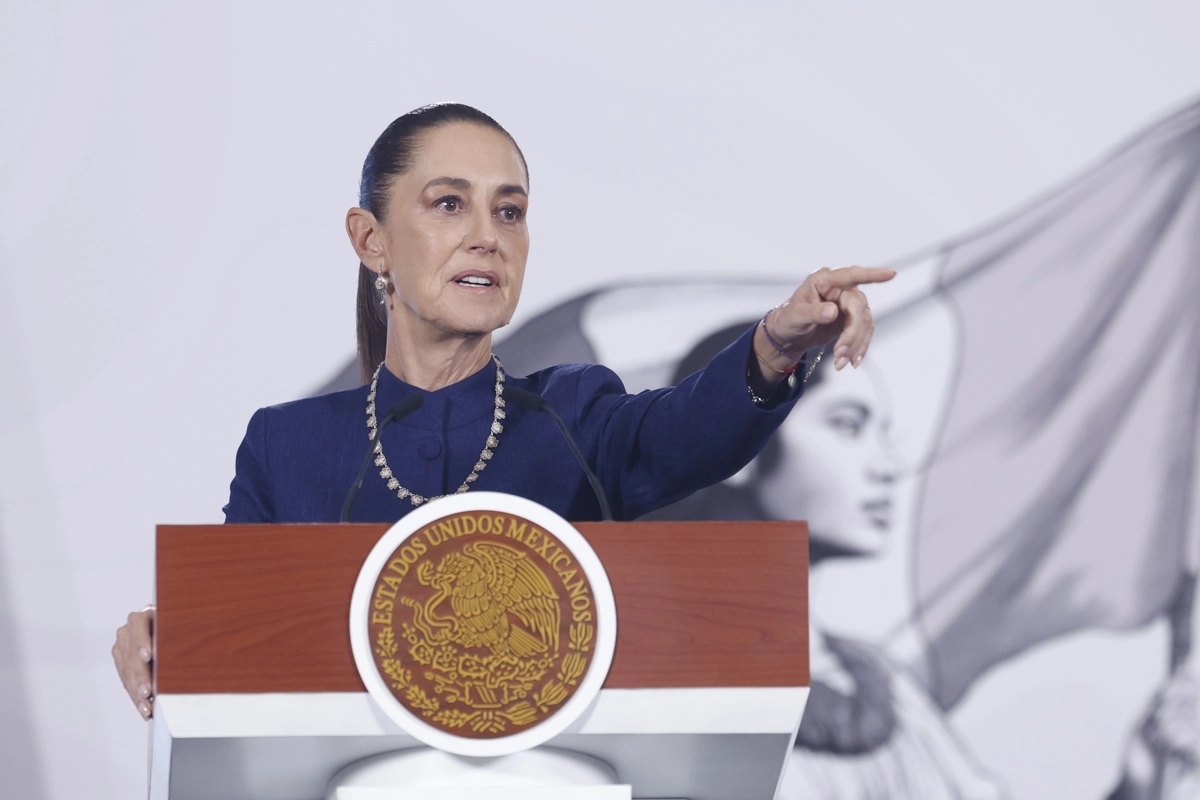
This protective mantle of President Claudia Sheinbaum is not an isolated event. It is the same pattern of behavior observed with Sinaloa officials and its governor, repeatedly accused of complicity with factions such as “Los Chapitos.”
The true contrast—and what has ignited deep social unrest—came with a case that perfectly illustrates the double standards with which the 4T acts. . While the ruling party justifies and defends its governor in Baja California, the Attorney General's Office suddenly arrested Ernesto Ruffo Appel, the first opposition governor in Mexico, accused of organized crime and fiscal huachicol (fuel smuggling) through one of his companies.
No one argues that the law should not apply to Ruffo if there is strong evidence. The problem is the double standard. The millionaire tax huachicol business at the borders and ports has been widely documented by journalistic investigations and complaints from the opposition, directly impacting Morena governors such as Américo Villarreal in Tamaulipas, without a single finger of criminal justice moving against them.
The paradox of this administration: For the opposition, the full weight of the State and express arrests; for their own rulers, rhetorical justifications, political embraces and the benefit of the permanent doubt.
The narrative of fighting corruption and impunity “wherever it comes from” falls apart in the facts. The leak of Marina del Pilar's audios exposes not only the fragility of a state government, but also the factious use of justice institutions to persecute adversaries while domestic crimes are purified. Citizen outrage is not born from the application of the law, but from the obvious and blatant Law of the Funnel: wide for friends, narrow for others.