

The DEA returns to Bolivia with limited functions after 18 years of expulsion
Cooperation with the United States will focus above all intelligence, information sharing and institutional strengthening
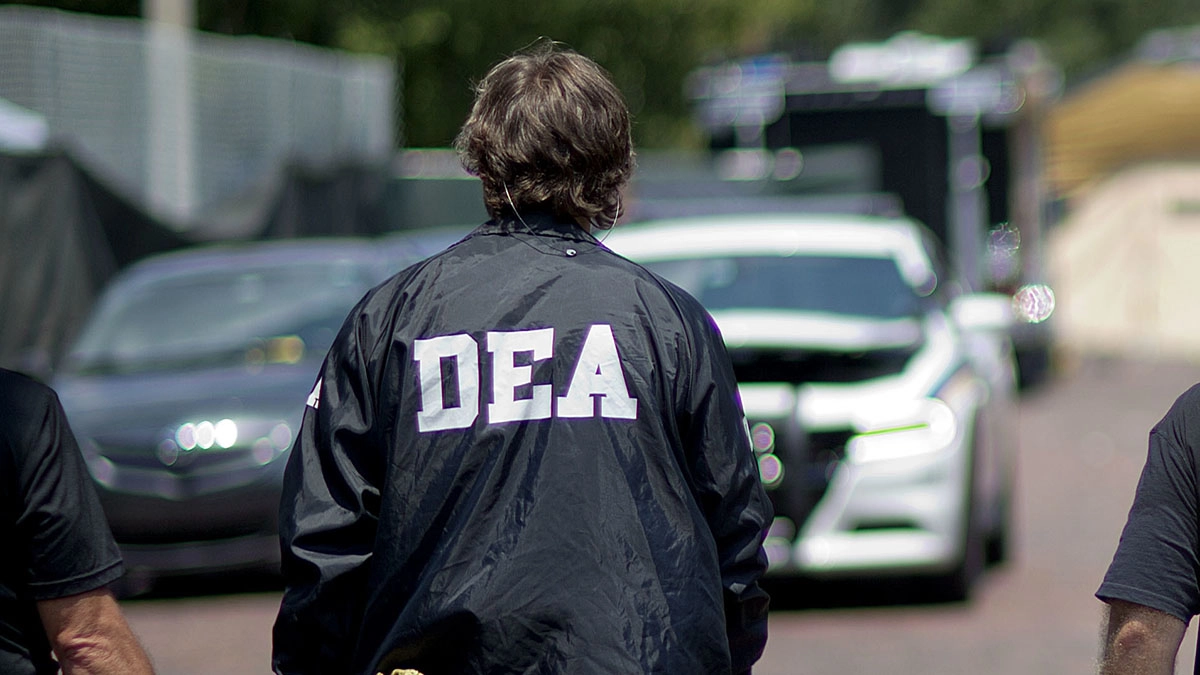

The DEA will have a presence in Bolivia with an office in La Paz dedicated to the exchange of criminal intelligence, almost 18 years after its e xpulsion, although its agents will not participate in anti-drug operations nor will be deployed in sensitive areas such as Chapare, the Government reported.
The official, who is the Bolivian anti-drug czar, gave the information from Washington, where he met with DEA representatives, along with the director general of the Special Force for Fighting Drug Trafficking (Felcn) of Bolivia, Colonel Frans Cabrera, according to a statement from the cited vice-ministry.
“There are no joint operations with other police attachés or with other instances. And with the DEA it isn't going to be the exception,” justiniano said.
According to the vice minister, cooperation with the United States will focus “above all on intelligence, information exchange and institutional strengthening“.
Likewise, it rejected versions that point out that DEA agents are “physically in red zones of Chapare”, or Tropic of Cochabamba, a zone e n the center of Bolivia where the bastion of the country's coca leaf producers is located, but it's also an area of drug-trafficking operations.
In the same region, the former president and cocalero leader Evo Morales (2006-2019) is protected by his followers to prevent his capture to respond in a trial for alleged aggravated trafficking of minors.
“Two people from the DEA will come , more than all to have a presence, probably in La Paz, working office-type, where we can collaborate or work on intelligence issues mainly,” pointed Justiniano.
Also, he noted that Bolivia currently works with police attaches and security agencies from different countries, such as Brazil, Paraguay, Argentina and Spain, among others.
Furthermore, he highlighted that one of the main benefits of the approach with the US anti-drug agency is access to regional mechanisms for agile exchange of criminal information.
Since the Government of President Rodrigo Paz took office, six months ago, the return of the DEA to Bolivia, whose agents and the ent eleven American ambassador Philip Goldberg were expelled by former president Morales in 2008, accusing of alleged conspiracy.
In the visit to Washington of the Bolivian officials, one of the topics analyzed with their American peers was the case of drug trafficking Uruguayan cante Sebastián Marset, who was arrested on March 13 in the eastern city of Santa Cruz and delivered on the same day to the United States.
Marset faces charges in the United States related to drug money laundering that can involve a sentence of up to 20 years in prison, the Attorney's Office of the Eastern District of Virginia reported in March.