

Trump reverses the 20% charge on ships in the Strait of Hormuz
Trump cancels the 20% charge to cross the Strait of Hormuz and announces investment agreements with Gulf countries as tension with Iran grows
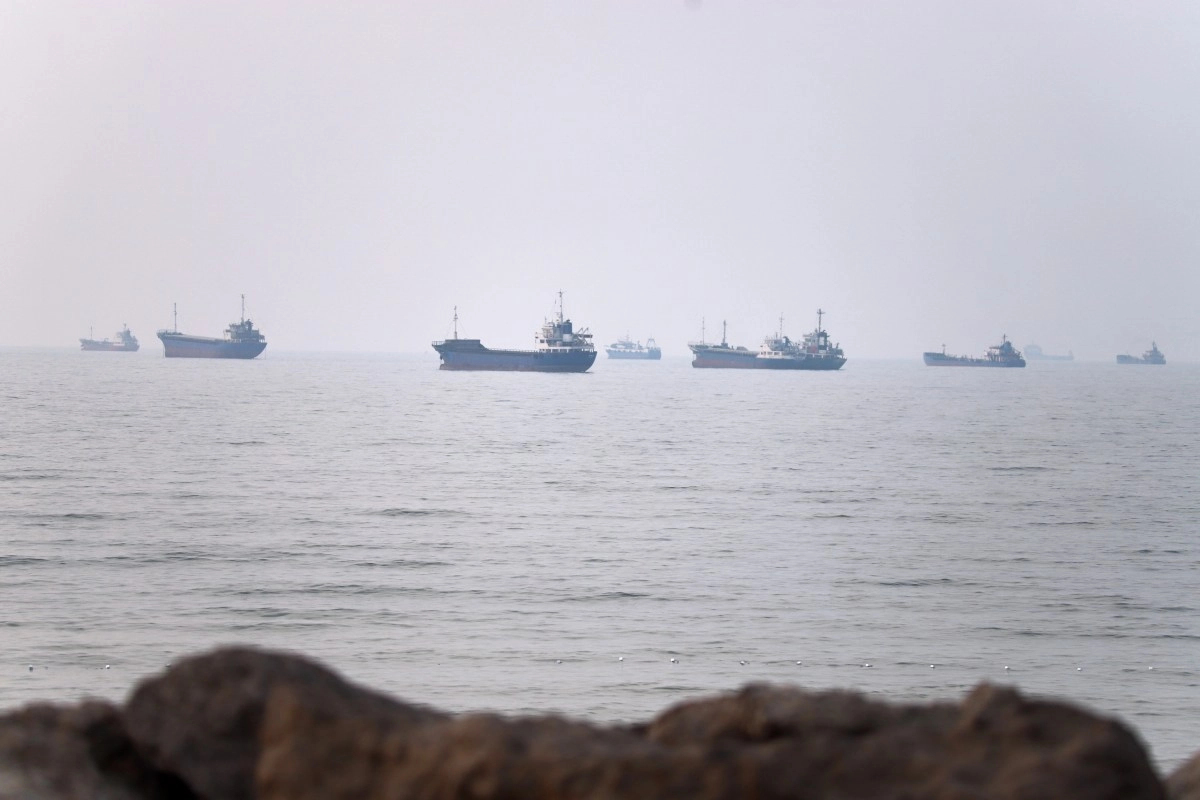

The president of the United States, Donald Trump, changed the strategy that he had announced just a day before for maritime transit in the Strait of Hormuz, by withdrawing the proposal to apply a 20% charge to vessels that cross that route.
Instead, he assured that he reached agreements with countries in the Persian Gulf to strengthen investments and trade with the United States. Through a publication in Truth Social, the president explained that the decision was the result of conversations with Middle East leaders, who, he stated, committed to promoting investment projects in the United States. United,” Trump wrote.
The US will maintain restrictions against Iran
Although he ruled out the new tax on ships from other countries, the Republican reiterated that he will maintain restrictions against Iran. In that sense, he stated that the Strait of Hormuz will remain open to international maritime traffic, with the exception of vessels that depart from Iranian ports, are destined for that country or transport goods related to Iran. "The Strait of Hormuz is open to all maritime traffic, except that of Iran," said Trump, who also accused the Iranian leadership of being "lying, violent and malicious."
The president added that the United States will apply a total blockade only to ships linked to Iran, thus maintaining pressure on Tehran in the midst of the conflict that both countries have in the Persian Gulf.
The importance of the Strait of Hormuz
The decision represents a change from the announcement made on Monday, when Trump announced that he would reimpose a naval blockade against Iranian vessels and charge a 20% tax on ships from other nations to facilitate their passage through the Strait of Hormuz, one of the most important maritime routes for the global oil trade. Iran's response was swift. This Tuesday, the Iranian Army assured that its Armed Forces will not give up "not one bit" regarding control of the Strait of Hormuz, after Trump proclaimed himself as the "guardian" of that strategic maritime passage. Tensions between Washington and Tehran have intensified since last week, when both countries resumed attacks in the Persian Gulf, ending the ceasefire established in the memorandum of understanding signed on June 17, an agreement that sought to reduce the hostilities and guarantee free navigation through the Strait of Hormuz.