

Toyota delays production of the 2027 electric Highlander
Toyota postponed production of the 2027 electric Highlander for at least eight weeks and its arrival on the market could move to next year
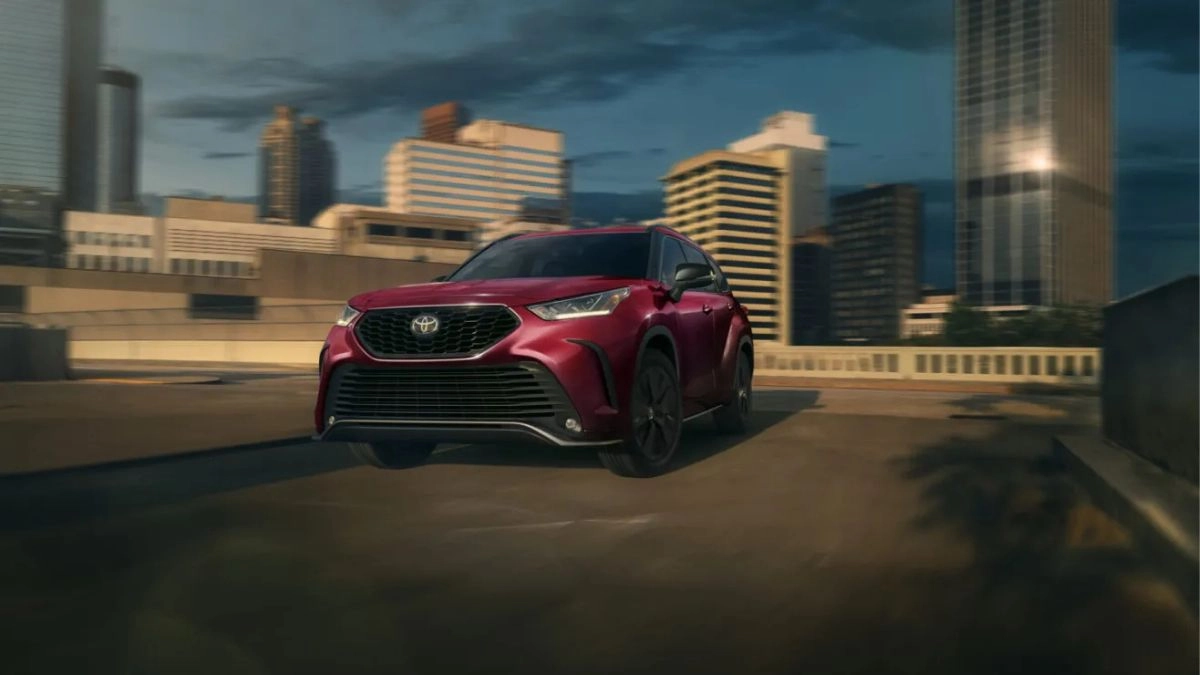

Toyota's electric strategy has just undergone a major adjustment. The Japanese brand decided to delay the start of manufacturing of the expected fully electric 2027 Highlander, a model destined to become one of the company's most relevant bets within the three-row family SUV segment.
Read also: Mazda confirms its first full hybrid for the new CX-5
The decision represents a change in the planned roadmap for this vehicle. Although Toyota did not reveal the specific technical reasons behind the postponement, it did explain that it will take advantage of this additional time to complete the final adjustments before giving the green light to series production.
You can read: Land Rover updates the Defender with more customization and luxury
With this move, the manufacturer makes it clear that it prefers to extend development times rather than launch a product without having completed all the necessary tests.
The commercial debut will have to wait
Initially, the electric Highlander was scheduled to begin reaching the market towards the end of 2026. However, the delay of at least eight weeks means that the first deliveries can be moved to the first months of 2027.
The new SUV will mark a turning point for a family of vehicles that until now has been known for its gasoline and hybrid versions. The next generation will make the leap to a completely electric platform, maintaining the three-row seating format that characterizes this model.
Toyota believes that this vehicle will play an important role in the expansion of its zero-emission portfolio, especially in a segment where customers are looking for space, technology, autonomy and reliability in a single product.
The current Highlander will remain in dealerships
While the new generation finishes its development, the 2026 Highlander will continue to be manufactured until December of that same year. That means that buyers will continue to find versions with gasoline and hybrid engines even when the electric variant has not yet started marketing.
It is also likely that many units of the current model will remain available in inventory for much of 2027, offering an alternative for those who need a three-row SUV and do not yet want to make the leap to a fully electric vehicle.
This continuity also allows Toyota to maintain a presence in one of the most competitive segments of the market while it finishes preparing its new bet.
Other projects could also be affected
The delay of the electric Highlander also generates expectations about other models that will share part of its development. Among them appears the future Lexus TZ, a three-row electric SUV aimed at the premium segment.
The Subaru Getaway is also added to that list, another project that would use a similar base. For now, neither of the two brands has confirmed whether their schedules will be modified as a result of the change announced by Toyota.
Although the postponement may be disappointing for those who hoped to see the electric Highlander before the end of 2026, the decision also reflects a strategy focused on ensuring that the product reaches the market fully prepared.
The expectation now is to know the final launch date and the details on autonomy, equipment and availability of an SUV that will be key to Toyota's electric future.