

Arnold Schwarzenegger continues training at 78: what changed in his routine to not leave the gym
The actor and former bodybuilder no longer trains like before. Today prioritize consistency, machines, cardio and exercises that are safer for the joints
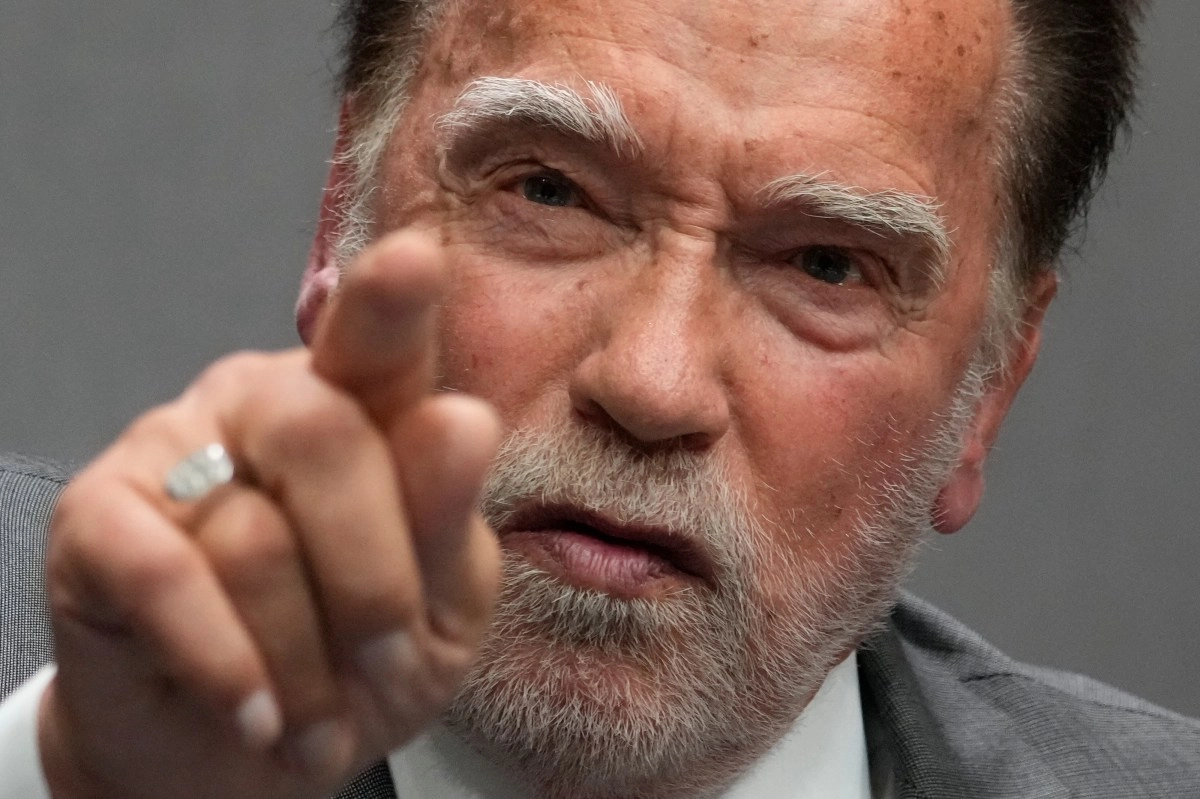

Arnold Schwarzenegger no longer trains to win a Mr. Olympia or to become the Terminator again. At 78 years old (he turns 79 in July), his challenge is different: to keep moving, adapt his body to the passage of time and maintain a routine that allows him to feel that every day he achieved a small victory.
The actor himself explained it in Arnold's Pump Club, his health and fitness newsletter. There he summarized his philosophy with a powerful idea: training guarantees “a victory” daily, even when the body hurts or the day is going uphill. It does not talk about pursuing a final goal, but about sustaining the habit as part of life.
Arnold's routine is no longer what it used to be
During his years as a bodybuilder, Schwarzenegger trained with extreme volumes and very high weights. That stage is behind us. In an interview with Business Insider, he said that today his sessions are more moderate and that he prefers exercises that take better care of his joints, especially after years of physical demands.
His current routine includes strength work, machines and cardio, but with different criteria: less obsession with lifting more weight and more attention to longevity. In other words, Arnold didn't stop training; He changed the way he did it to be able to continue training.
That is the most useful point for anyone who gets older, has injuries, or feels like they can no longer move like before. The answer is not always to quit the gym. Many times it is lowering the intensity, adjusting exercises, taking care of technique and choosing safer movements.
The lesson is not to train with pain, but to adapt
Arnold's phrase can sound extreme if interpreted wrong. It does not mean that you have to ignore severe pain, injuries or warning signs. Correct reading is smarter: consistency does not depend on training perfectly, but on finding a possible version of the movement for each stage of the body.
For an older adult, that may mean walking, cycling, using machines, adding light strength exercises, working on balance, or training for less time, but regularly.
The CDC recommends that adults age 65 and older get at least 150 minutes a week of moderate aerobic activity, or 75 minutes of vigorous activity, plus muscle-strengthening exercises at least two days a week and activities to improve balance.
What can an average person learn
Schwarzenegger's story works because it breaks with a very established idea: that training after a certain age has to be the same as before or it is useless. In reality, the key may be exactly the opposite.
After age 50, 60 or 70, the goal should not be measured only by kilos lifted or personal bests. Mobility, balance, muscle mass, cardiovascular health, rest, and the ability to sustain the habit without getting hurt also matter.
Arnold remains an exceptional case, with decades of training and access to professionals. But its message has a simple translation for everyday life: you don't have to train like a champion to benefit from exercise. You need to find a possible routine, repeat it and adjust it when the body asks for it.
The real lesson from Schwarzenegger, at 78, is not that everyone should train like him. The thing is, getting older doesn't mean you have to stop moving: it's about moving more intelligently.