

Pam Bondi admits “editing errors” in Epstein file release
Former attorney general acknowledged flaws in Epstein case documents during closed-door appearance
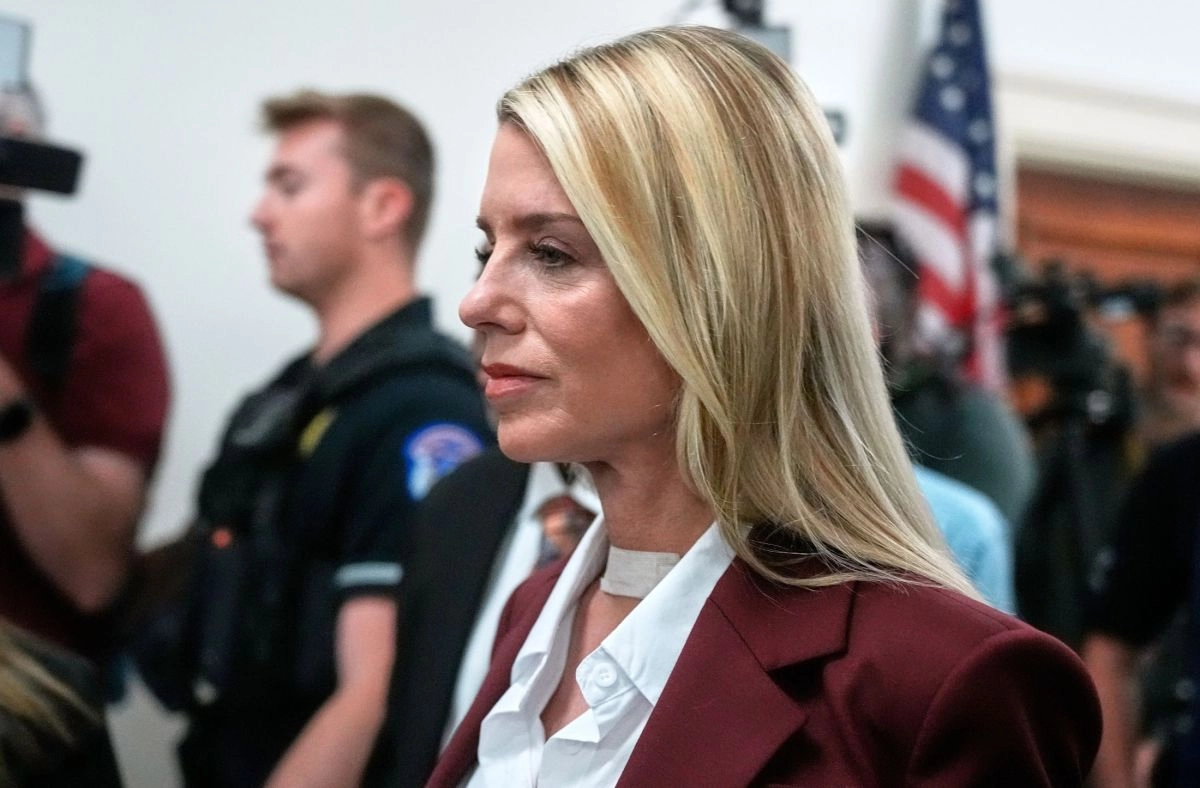

Pam Bondi acknowledged this Friday that the Department of Justice (DOJ) made “editing errors” during the publication of documents related to the Jeffrey Epstein case, a controversy that has generated criticism from both victims and legislators.
According to information obtained by NBC News, Bondi appeared behind closed doors before the House Oversight Committee, where he defended the work done by the DOJ, although he admitted flaws in the file review and censorship process.
“There were editorial errors,” the former official declared in her opening speech. However, he assured that the government's intention was always to act with “accountability and transparency.”
Criticism for exposure of victims
The controversy arose after documents related to Epstein were published with large parts redacted, but leaving the names of some victims visible, despite the fact that authorities had promised to protect their identities.
At the same time, Democratic legislators and civil organizations questioned that several names of those allegedly involved or possible collaborators of Epstein remained hidden in the files released by his former department.
Bondi told the committee that the team in charge of reviewing the documents assured him that only “irrelevant, confidential or duplicate” materials had been withheld. He also explained that he did not personally oversee all the details of the process and that part of the review was delegated to then-deputy attorney general Todd Blanche, the current acting attorney general.
The Epstein case continues to generate political pressure
The former attorney general had previously faced criticism for statements related to an alleged “client list” of Epstein. The aforementioned media noted that in February 2025, during an interview on Fox News, Bondi claimed to have information about that list, although public evidence of its existence was never subsequently presented.
Months later, the Department of Justice and the FBI released a memo in which they stated that there was no evidence of a secret blackmail network linked to Epstein and reiterated that the financier died by suicide in prison.
Ahead of Friday's hearing, survivors of sexual abuse demonstrated outside the Capitol and demanded answers about the release of victims' identities while other names remain protected.
The president of the Oversight Committee, James Comer, stated that legislators will seek to clarify why this difference in the handling of information occurred. “We want justice for the survivors,” he declared.