

Indian Delegation Meets Indonesian Islamic Leader in Jakarta to Strengthen Bilateral and Interfaith Ties
Indian parliamentary delegation led by JD(U) MP Sanjay Jha meets with PBNU Chairman KH Ulil Abshar Abdalla in Jakarta, Indonesia to strengthen interfaith and diplomatic ties.
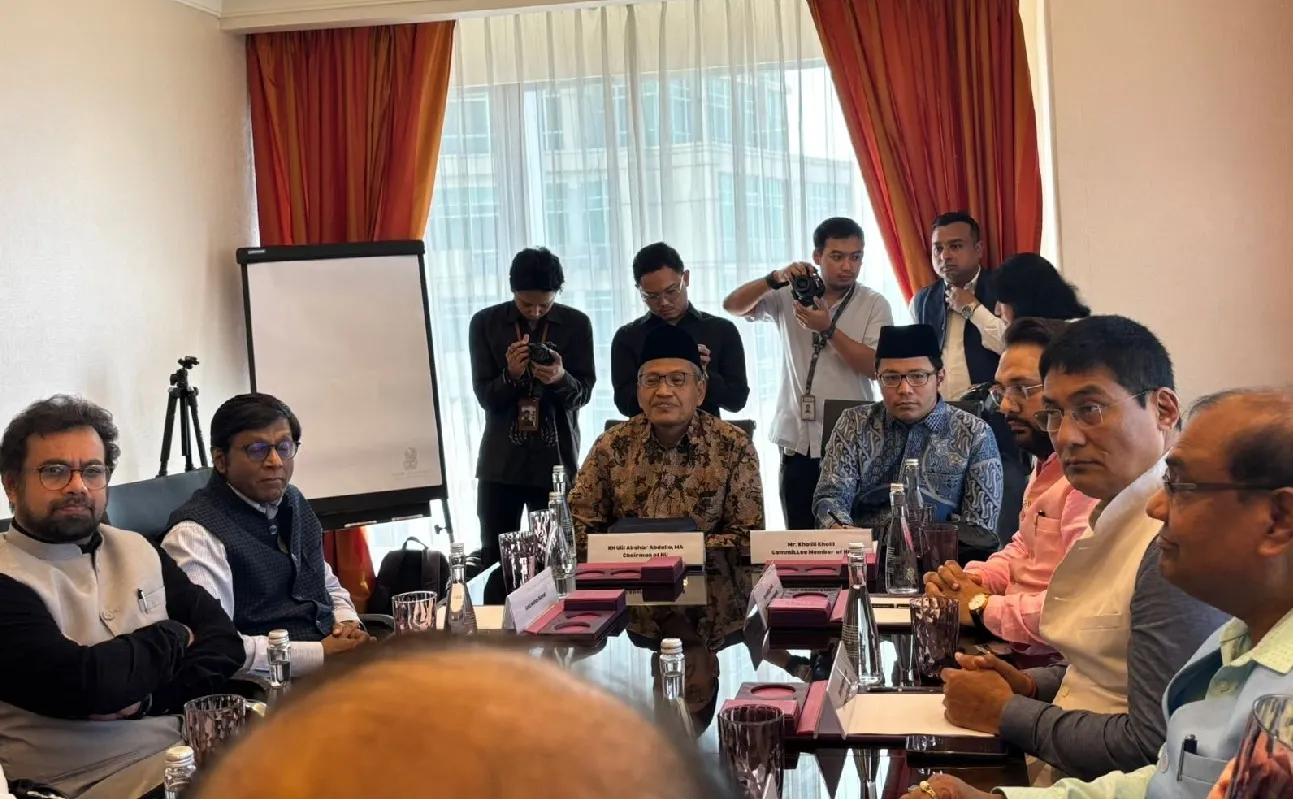

Jakarta Hosts Key Dialogue Between Indian Lawmakers and Indonesian Religious Leader
In a significant diplomatic and cultural development, an all-party parliamentary delegation from India, led by Janata Dal (United) MP Sanjay Jha, convened an important meeting with KH Ulil Abshar Abdalla, the Chairman of the Executive Board of Nahdlatul Ulama (PBNU), in Jakarta, Indonesia. This interaction, held in the Indonesian capital, marks a meaningful step toward enhancing religious diplomacy, fostering mutual understanding, and strengthening India–Indonesia bilateral ties.
Understanding the Delegation’s Purpose and Symbolism
The all-party nature of the delegation itself underscores the broad political consensus in India regarding the need for deeper engagement with Southeast Asia particularly with Indonesia, a country that shares cultural, religious, and historical ties with India. The inclusion of leaders from across India’s political spectrum in this visit signals the country’s commitment to holistic foreign diplomacy rooted in shared civilizational values.
“We came here not just as representatives of political parties, but as representatives of a diverse and vibrant democracy seeking shared wisdom and collaboration,” remarked Sanjay Jha after the meeting.
Meeting with KH Ulil Abshar Abdalla: A Dialogue of Faith and Peace
The highlight of the delegation’s visit was its meeting with KH Ulil Abshar Abdalla, a highly respected Islamic scholar and the current Chairman of PBNU Indonesia’s largest and most influential Islamic organization. PBNU has been instrumental in promoting moderate Islamic values, peaceful coexistence, and interfaith harmony across the region.
During the discussion, both sides explored common challenges facing pluralistic societies and emphasized the urgent need to build bridges across faith communities in today’s global landscape. Topics such as education reform, youth engagement, combating religious extremism, and digital misinformation were thoughtfully addressed.
“We greatly value India’s centuries-old tradition of religious diversity and tolerance,” said KH Ulil Abshar Abdalla. “This meeting is a reflection of our shared responsibility to promote peaceful coexistence in a world that is increasingly divided.”
India and Indonesia: Cultural Ties Rooted in History
India and Indonesia share profound historical and civilizational links, dating back to ancient times when Indian traders, priests, and scholars travelled to the Indonesian archipelago, spreading not only economic influence but also spiritual ideas such as Hinduism and Buddhism. Today, these ties are further enriched by modern diplomacy, trade, and people-to-people connections.
The Indian delegation’s meeting with one of Indonesia’s foremost religious leaders adds a spiritual and cultural dimension to the diplomatic narrative. This kind of soft diplomacy centered around shared values rather than just commerce is crucial in shaping long-term relationships.
Parliamentary Delegations as Vessels of People-Centric Diplomacy
Such interactions between Indian lawmakers and foreign religious leaders are becoming increasingly important in a multipolar world where diplomacy must go beyond embassies and summits. They serve as reminders that governance and policy must ultimately reflect the voices, values, and beliefs of people.
According to delegation sources, the visit also included discussions about collaborative education programs, cultural exchanges, and the possibility of hosting joint seminars between Indian institutions and Indonesian religious bodies. These initiatives are aimed at nurturing deeper understanding and goodwill among the youth of both countries.
Strategic Significance in Indo-Pacific Relations
Indonesia, as a key player in ASEAN and the Indo-Pacific region, holds strategic importance for India. Both countries have been working together to ensure maritime security, counterterrorism cooperation, and economic partnerships through mechanisms like the ASEAN-India Dialogue and the Indo-Pacific Oceans Initiative.
This visit reflects India’s broader foreign policy objective to maintain close partnerships with nations that champion pluralism and democratic values. It also highlights the importance of using cultural and religious diplomacy to cement bonds beyond just strategic interests.
Reactions and Future Outlook
The response to the Indian delegation’s visit in Jakarta has been overwhelmingly positive, both from the Indonesian public and the local press. Religious scholars, policymakers, and civil society members hailed the interaction as a blueprint for how democracies can engage in meaningful dialogue amid global uncertainties.
Back home, political analysts viewed the move as a smart exercise in international outreach and soft power. Several social media platforms were abuzz with praise for the delegation’s initiative to promote peace and mutual respect in a region often overlooked in mainstream diplomacy.
A New Chapter in Cultural Diplomacy
The meeting between the Indian all-party parliamentary delegation and KH Ulil Abshar Abdalla of PBNU may not grab the headlines like major trade deals or military agreements, but it signifies something just as important the human side of international relations. It reminds us that in times of political polarization and cultural fragmentation, the soft touch of dialogue, understanding, and mutual respect is more powerful than ever.
As the world watches India’s growing role on the global stage, efforts like these reinforce the country’s age-old identity as a messenger of peace and a beacon of pluralism. With such initiatives, the bond between India and Indonesia can only grow stronger not merely as neighbors across the ocean, but as kindred spirits in the quest for harmony.