

Why Laadli Bahna Yojana Succeeds in Some States but Not in Others
Exploring why welfare schemes like Laadli Bahna Yojana succeed in some states but fail in others, with a focus on political strategy and voter behavior in the context of India’s political landscape.
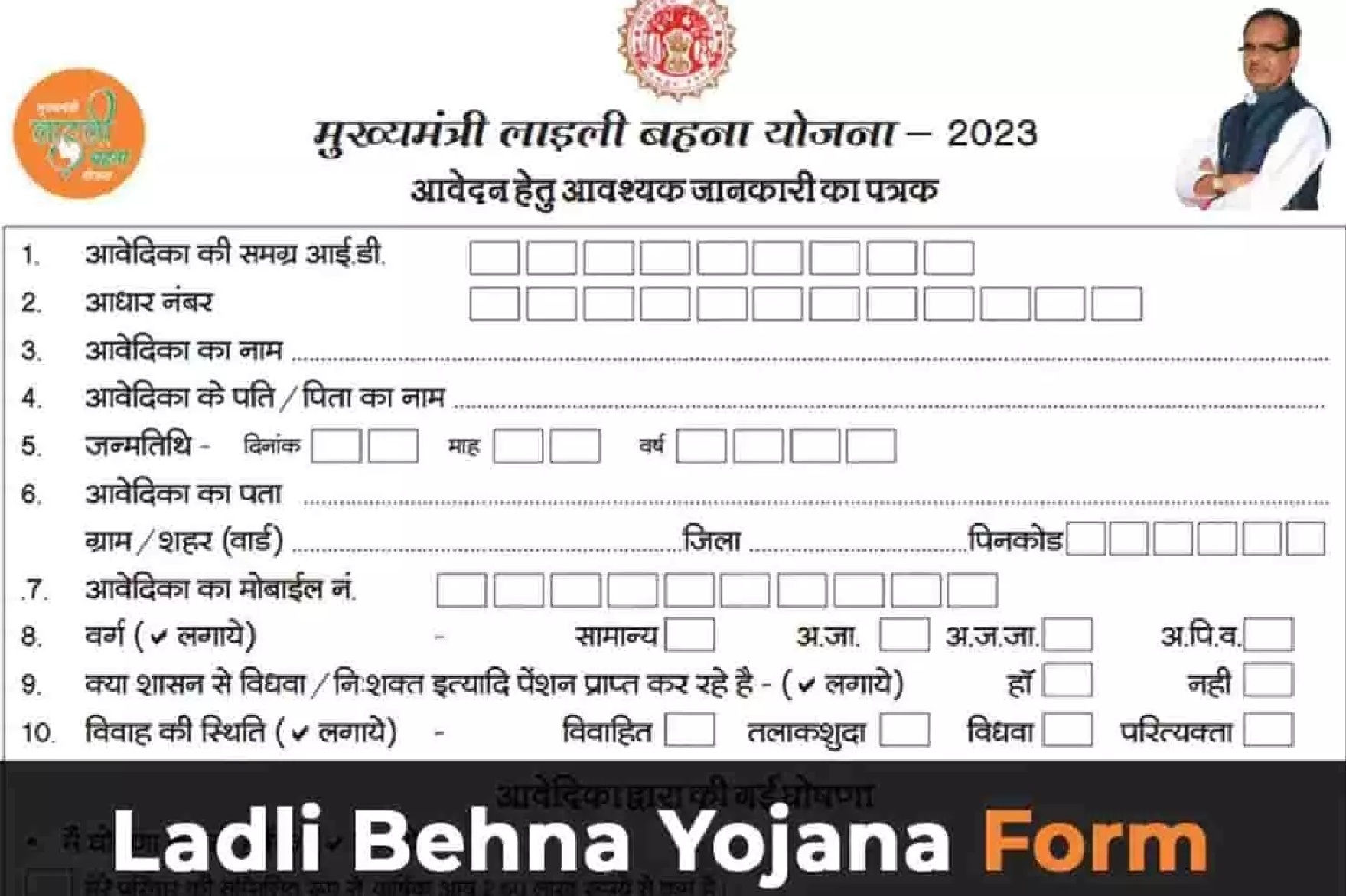

The effectiveness of welfare schemes like the Laadli Bahna Yojana can vary significantly across different states in India. This disparity often prompts questions about why such schemes succeed in certain regions while faltering in others. A key factor influencing this variation is the political strategy behind these schemes, particularly in how they align with the political ideologies and strategies of the ruling parties.
Laadli Bahna Yojana, a welfare initiative designed to provide financial assistance to women, has shown varied results depending on the political context and the party implementing it. The scheme, initially launched by the ruling party in Madhya Pradesh, has been cited as a successful example of how a Right Wing party’s adoption of Left-leaning policies can yield positive electoral outcomes. The success of such schemes is often attributed to the way they resonate with the voters’ needs and the political environment in which they are introduced.
In states like Madhya Pradesh, where the Laadli Bahna Yojana has been well-received, the Right Wing party’s implementation of a welfare scheme aligns with its strategy to appeal to a broader electorate. This strategy capitalizes on providing direct benefits to constituents, which can translate into additional electoral support. The scheme’s success in this context highlights how Right Wing parties can effectively utilize Left-leaning welfare policies to gain “add-on” votes from sections of the electorate that might otherwise be less supportive of their traditional policies.
Conversely, the scheme has struggled in states like Andhra Pradesh and Delhi, where it was introduced by Centre-Left parties such as Yuvajana Sramika Rythu Congress (YSRC) and Aam Aadmi Party (AAP), respectively. In these instances, the expected benefits of implementing such schemes did not translate into similar electoral gains. One possible explanation is that voters in these regions may perceive these schemes as less impactful or politically motivated, given the existing political dynamics and the party’s prior policies.
Political analysts suggest that for Centre-Left parties to achieve similar success with welfare schemes, they might need to adopt policies that align more closely with Right Wing values or address specific voter concerns that resonate with a broader audience. This approach could help Centre-Left parties counterbalance the effects of Right Wing schemes and enhance their appeal to voters who might be skeptical of traditional Centre-Left approaches.
In summary, the varying success of schemes like Laadli Bahna Yojana across different states underscores the complex interplay between political strategy, voter behavior, and the ideological positioning of political parties. While Right Wing parties can gain additional support by adopting Left-leaning policies, Centre-Left parties might need to consider strategic shifts or more targeted approaches to achieve similar results. Understanding these dynamics is crucial for crafting effective welfare policies that resonate with diverse electorates and enhance political success.
As the political landscape continues to evolve, the lessons learned from these varied outcomes will likely influence how parties design and implement welfare schemes to better address the needs of their constituents and secure electoral advantages.