

The Hispanic community and kidney transplants: between hope and inequality
Hispanics face critical barriers to accessing kidney transplants, despite having higher survival rates. Education and language are key
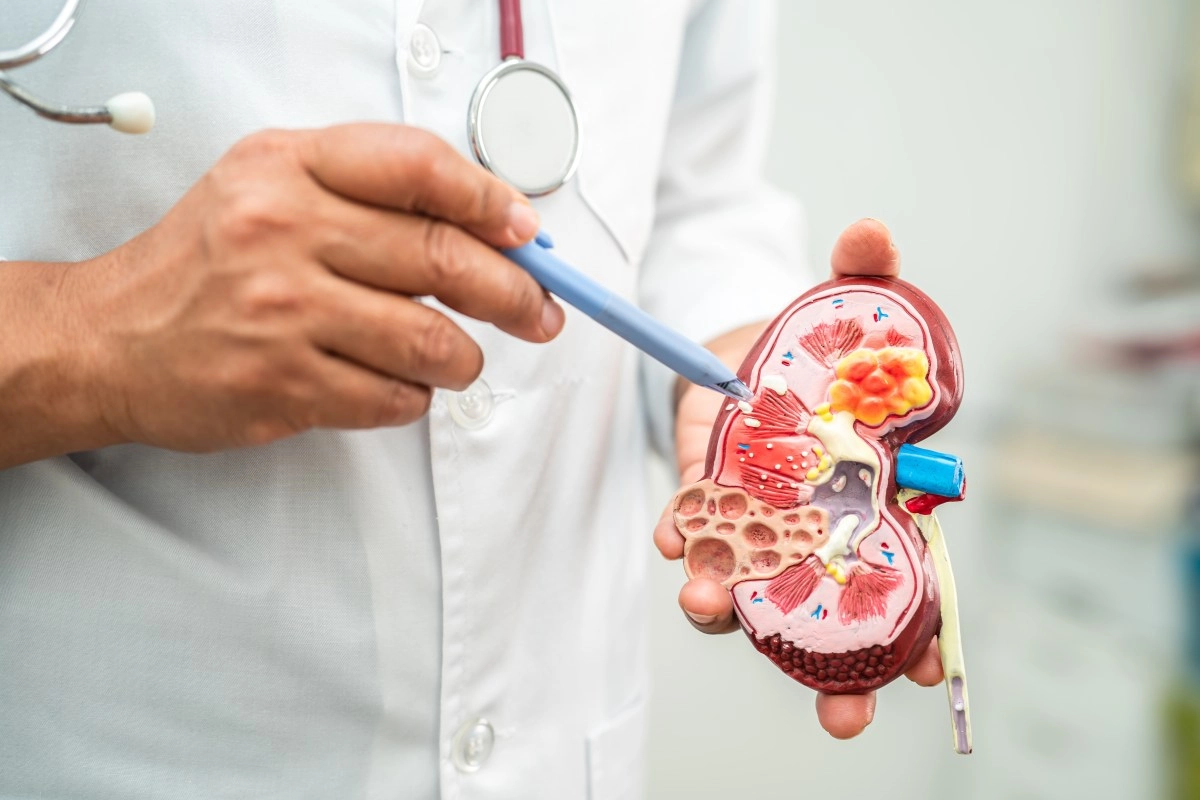

Hispanics face disproportionately high rates of chronic kidney disease (CKD) and progress faster to kidney failure compared to non-Hispanic whites. Although kidney transplantation is the preferred treatment because it offers greater life expectancy and quality of life and a lower overall cost than dialysis Hispanic patients face multiple barriers that hinder their access to this vital option.
A clinical and social gap
Hispanics are less likely to receive nephrology care before dialysis or to be referred for a transplant in a timely manner. Even after starting dialysis, they face longer delays in entering the waiting list, wait longer for a transplant, and have lower living donor rates. These disparities have clinical and social causes, many of them modifiable.
High survival, but limited access
Studies show that Hispanics who receive a transplant have higher survival rates than other groups. But this good news also reflects that only those who overcome multiple barriers access transplants, suggesting that the greatest inequalities occur before reaching the list.
For Hispanic children, the picture is no better. They are also referred later, wait longer, and are less likely to receive a preemptive transplant. What are we doing to change this?
Limited Access and Social Determinants
Approximately 40% of Hispanics in the United States are uninsured, and many more are underinsured. Most rely on Medicaid, and federal cuts threaten to further reduce their access. Adding to this are barriers such as economic instability, low health literacy, preference for Spanish, lack of transportation, medical mistrust, and provider bias.
Language Matters
Language is a key factor limiting understanding of the transplant process, living donation, and aftercare. And yet, data on preferred language remains poorly collected.
But there are models that show change is possible. The Northwestern Medicine Hispanic Transplant Program, led by Dr. Juan Carlos Caicedo, implemented Spanish-language education and culturally competent care. The result: a 70% increase in Hispanic living donors compared to non-Hispanic whites.
Models That Work… But Are Few
Similar programs in Colorado and Illinois have shown increases in referrals, screenings, and living donations. And community health promoters have proven to be key allies in connecting with Hispanic patients. But these approaches are still the exception.
A Shared Responsibility
As nephrologists, we accompany our communities on a complex journey from chronic disease to transplant. We witness the love of parents who donate a kidney to their children, or spouses who do the same. But we also see how many patients never reach that opportunity.
We know what strategies work. Culturally appropriate education improves transplant readiness, builds trust, and, most importantly, builds bridges with the community.
About the Authors:
Sixto G. Giusti, MD, FASN, is a transplant nephrologist and associate professor at the University of Colorado Anschutz Medical Campus. A graduate of the Universidad Central del Caribe in Puerto Rico, he is dedicated to promoting equitable access to kidney transplantation for underserved populations.
About NHMA
The National Hispanic Medical Association (NHMA) is an organization dedicated to promoting the health and well-being of the Hispanic community in the United States through education, research, and advocacy for equitable health policies.