

How to address childhood obesity to not stigmatize or generate traumas
Modifying the diet of only one child is ineffective; the change must include all household members
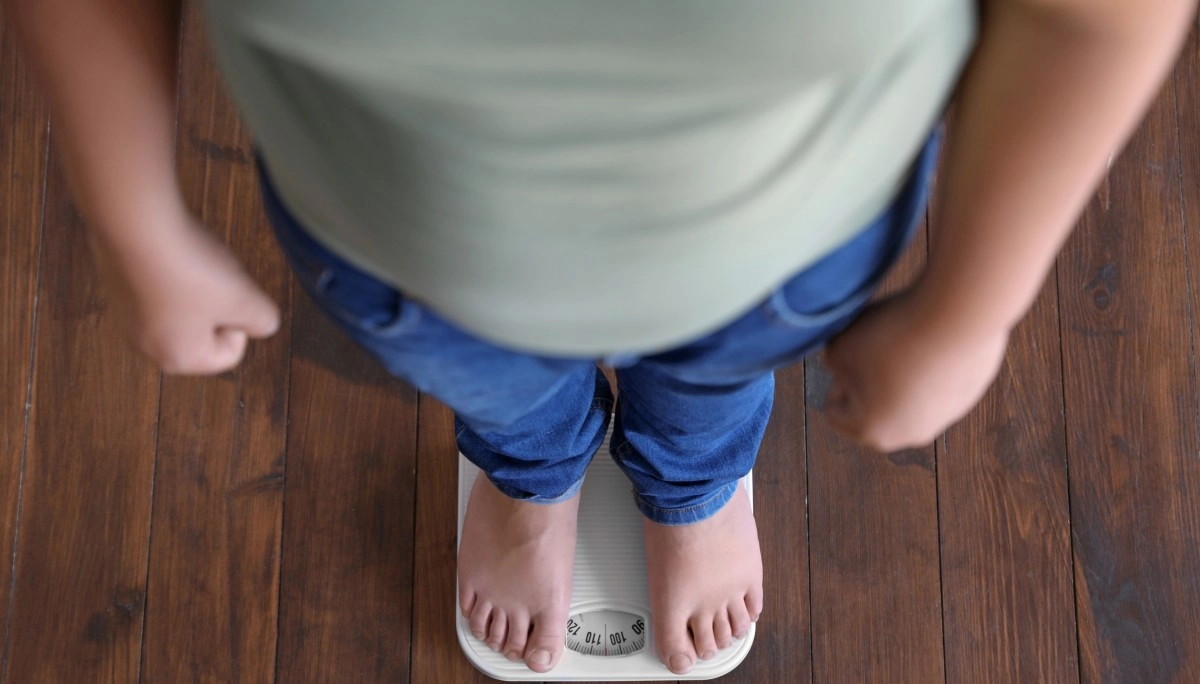

Childhood obesity is a multifactorial problem that requires the attention of the whole family, not only health professionals.
Pediatricians underline the respectful approach when addressing the topic of weight, avoiding stigmas and unnecessary blaming, so as to not originate the germ of a future or eating disorder (ED). It is essential that consultations focus on the wellbeing of the minor and on the family's will to discuss obesity.
In this regard, EFE Salud took the task of consulting representatives of the Spanish Society of Obesity (SEEDO) and Spanish Association of Pediatrics (AEP), in order to receive authorized opinions.
Professionals suggest that obesity treatment should be holistic, addressing both diet and the emotional and social aspects related to the condition.
Changes in eating habits
Cristina Porca, nutritionist at SEEDO, highlights the importance of limiting the consumption of unhealthy foods rather than prohibiting them. Families must learn to make informed and nutritious food choices.
Modifying the diet of just one child is ineffective; the change should include all members of the household. Messages that could foster an unhealthy relationship with food should be avoided.
Promoting healthy lifestyles
The promotion of physical activity and the regulation of screen time are crucial to combat obesity. These habits should be integrated naturally into family life.
Nutritional education should be part of family dynamics, always respecting the signs of hunger and satiety. The goal is for children to acquire healthy habits naturally, without the weight of a negative approach towards their body image.
Influence of the social environment
The social and community environment plays a key role in the formation of eating habits in children, since they learn by imitation and daily exposure.
Family influence. The family is the first nucleus where eating patterns are transmitted, such as meal times, types of food and rations, through example of the parents. If adults consume balanced diets and eat together, children tend to adopt healthy habits and avoid associating food with rewards or punishments.
School role. In school, the structured environment encourages dietary choices through menus, nutritional education and peer pressure, where children imitate behaviors of peers and staff do cent. Advertising unhealthy foods or vending machines can promote non-nutritious options, but educational programs supported by healthy environments shape positive patterns.
Community and cultural factors. The community influences through accessibility to fresh food (such as markets or gardens), cultural customs, religion and social events that they revolve around food. Children in environments with socioeconomic limitations or sedentary family face a greater risk of obesity if these habits are not corrected early.
· Five eggs a week provide the protein and nutrients you need, says expert. Obesity leaves the immune system ary, even up to ten years after losing ultraprocessed foods and muscle health: new study reveals concerns