

4 mistakes when using olive oil that ruin its benefits
Even though they seem simple, there are flaws in the kitchen that damage the chemical and natural composition of olive oil, causing the benefits to disappear.
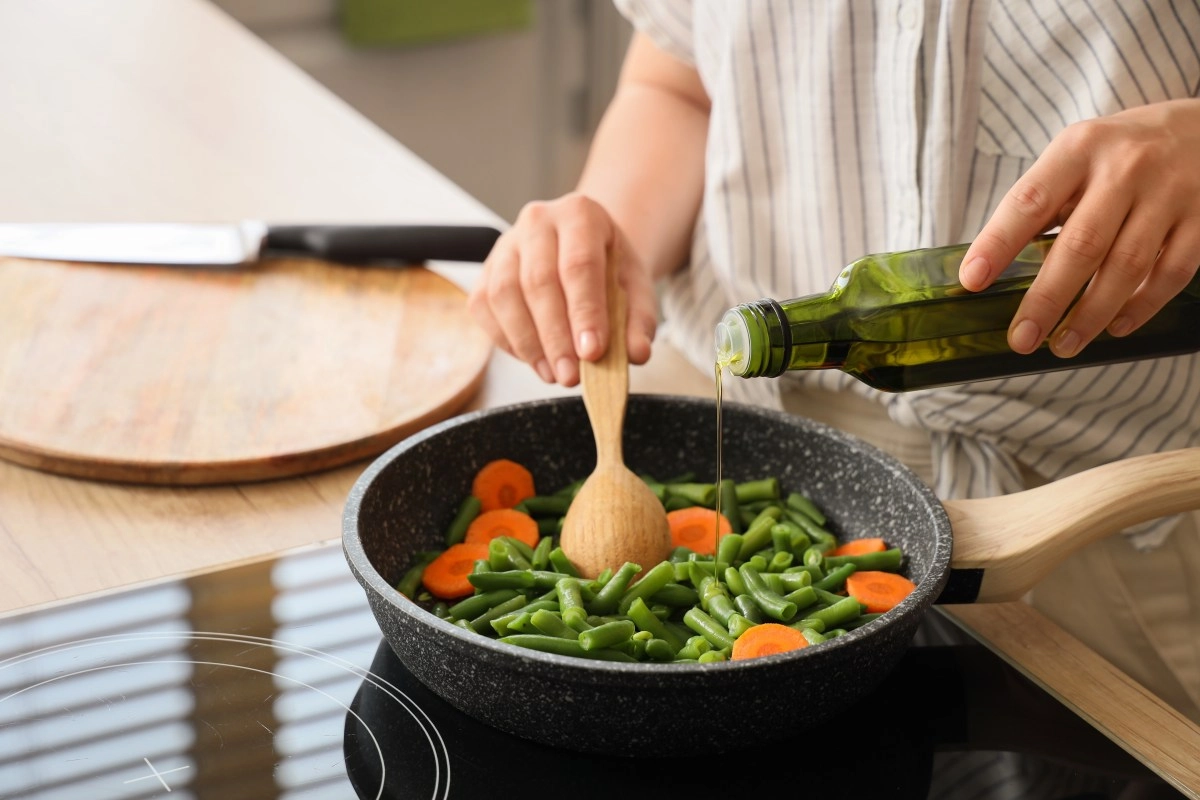

Olive oil might be the most expensive ingredient you have in your kitchen, thanks to its flavor, versatility, and healthy fat content. However, when you use it incorrectly, it also becomes an underrated product.
According to experts, many of its benefits are lost due to everyday failures, either when cooking or during storage. These poor practices alter its chemical composition, affecting flavor and nutritional properties.
In this sense, it's not enough just for you to buy quality olive oil, but rather for you to learn how to use it to conserve its antioxidants and healthy fats.
Read also: Why you should always wash avocados before eating them: experts warn
4 mistakes when using olive oil in the kitchen
1. Frying incorrect way
One of the most common mistakes is using olive oil for frying improperly. Many people believe that using less amount makes fried foods “healthier” or This is how you avoid wasting oil. However, experts explain that when food is not soaked correctly in hot oil, it absorbs more fat and ends up being more oily.
Furthermore, reusing oil too many times or heating it for long periods deteriorates its properties.
Although olive oil can be used for certain fryings, the recommendation is to control the temperature and avoid overheating.
2. Burn the oil
Another frequent error is letting the oil reach temperatures that are too high until it produces smoke. When the olive oil burns, its chemical structure is altered and it begins to lose antioxidants and beneficial compounds for the body.
In addition, excessive heat favors the appearance of substances such as acrolein, which are related to irritation and harmful effects on health.
Specialists warn that smoke is a clear sign that the fat began to degrade.
To avoid this, they advise heat the pan and then add the oil just before cooking the food. This reduces the time of exposure to extreme heat.
3. Throw it down the sink
Getting rid of used olive oil down the drain, believing that because it is olive oil it can be done, is another habit that can have consequences for both the home and the environment.
When the oil cools inside the pipes, it tends to solidify and stick to the inner walls of the ducts. This can cause blockages and complicate drainage and water purification systems.
Furthermore, oil discharged in large quantities pollutes water sources and affects ecosystems.
The most widespread recommendation is to let the used oil cool, store it in a closed container and take it to recycling centers or specialized collection points.
4. Store in places with heat or light
The way of storing the olive oil also directly influences its quality. Many people leave it near the stove, next to windows or in spaces where it constantly receives light. This accelerates the oxidation process and deteriorates its properties.
Exposure to heat and light reduces the stability of healthy fats and modifies the taste of the product over time.
Experts recommend keeping it in cool, dry, and dark places, preferably inside opaque bottles or containers designed to protect it from light.
They also advise avoiding buying oils that remain exposed for too long under intense lighting in supermarkets. These small changes help keep their qualities intact and make better use of their benefits within your daily diet.
The most disgusting food in the world: what surströmming is and how it smells How to ripe an avocado in 10 minutes: the trick that works Is bad to-eat sprouted potatoes? How to prevent digestive problems