

Measles outbreak in South Carolina surpasses Texas outbreak, reaching nearly 800 cases
89 new cases have been documented. Currently, 557 people are under quarantine due to the spread of the virus
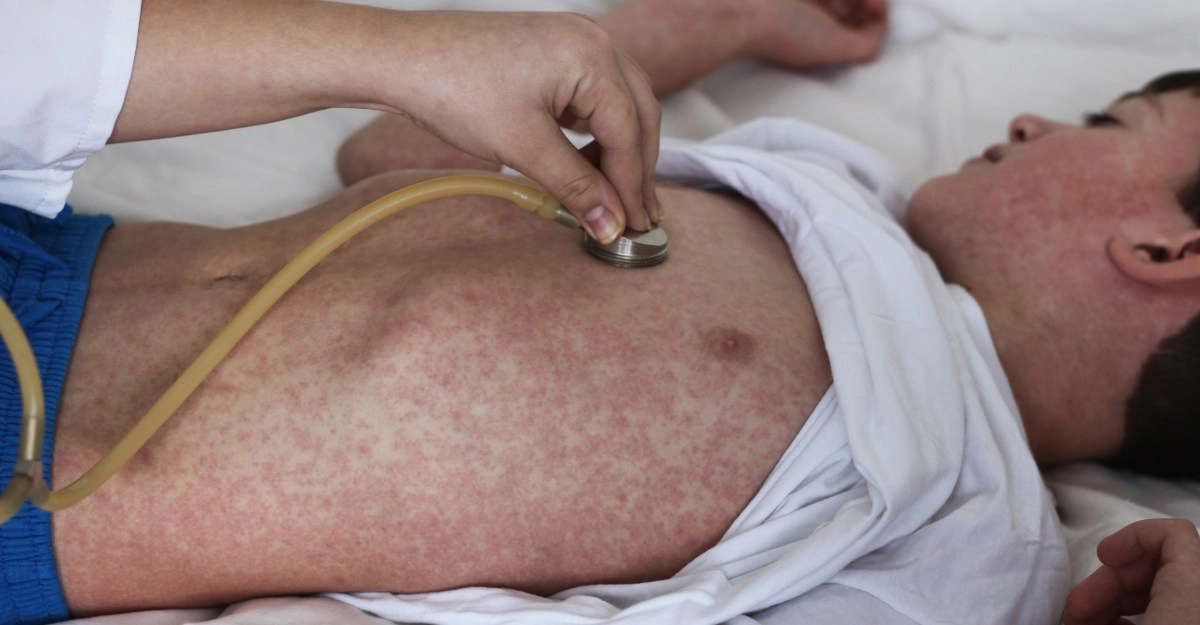

The measles outbreak in South Carolina has reached 789 cases, surpassing the 2015 outbreak in Texas. Most infections are concentrated in Spartanburg County, affecting mostly unvaccinated people. Since Friday, 89 new cases have been documented. Currently, 557 people are under quarantine due to the spread of the virus, indicating that the situation is not under control. The quarantine orders are due to an unvaccinated child who attended school, according to a Union County Public Health alert. “The child attended school while contagious.” The initial outbreak, which began in the fall, is linked to cases in other states, including California and North Carolina. North Carolina health officials have reported at least 14 associated cases. Vaccination Challenges: An analysis reveals that communities with low vaccination rates are at risk. In Spartanburg, 8.2% of religious and personal exemptions contribute to the spread of meals, highlighting the urgent need to increase immunization rates in schools. According to the North Carolina Department of Health and Human Services, only 60.1% of students at Shining Light Baptist Academy, where the child with meals was reported, are vaccinated against meals. A vaccination rate of at least 95% is considered the accepted level of herd immunity needed to protect against a meat outbreak, NBC News reports. “If schools have very low vaccination rates, it creates a breeding ground for meals because it is incredibly contagious,” said Dr. Deborah Greenhouse, former president of the South Carolina chapter of the American Academy of Pediatrics. “That's what happened in northern South Carolina, and it's exactly what can happen again and again if the disease spreads to other areas with low vaccination rates,” he explained.
Vaccine Misinformation
Vaccine misinformation, especially on social media, creates doubt among parents by sowing unfounded fears about serious side effects such as autism or infertility. This leads to decisions to delay or refuse childhood vaccines, reducing coverage and exposing children to preventable diseases.
Mechanisms of influence.Social media spreads myths rapidly through memes, conspiracy theories, and emotional testimonials, eroding trust in health institutions. Parents with low health literacy are more vulnerable, prioritizing unverified sources over scientific evidence. Studies show that even brief exposures to fake news alter attitudes, even in previously vaccinated individuals.
Effective strategies. Educating healthcare professionals counters myths by focusing on real benefits and risks.
Pro-vaccine campaigns should avoid "myth vs. fact" formats that paradoxically reinforce erroneous beliefs. Media literacy promotes critical thinking to discern credible sources.