

The number of homeless people in Los Angeles has fallen for the second year in a row
During Mayor Karen Bass two years in office, the number of homeless people in Los Angeles has fallen by 17.5%

Of all the titles that correspond to a city in the United States, the least coveted is that of homeless capital. And yet, New York and Los Angeles are vying for the trophy.
One would think that, as the largest cities in the country, they supposedly have resources at their disposal to care for the homeless. Generally, they don't have enough.
To this day, we walk the streets of Los Angeles and under the bridges there are still the tents of men with nothing but the clothes on their backs. They disappear for a few days when they are evicted and then they return, because what else are they going to do except return.
One condition for properly undertaking the fight against homelessness is to stop seeing it as an offense to those who see it, and instead view it from the experience of the homeless. Conceiving the solution as something that benefits those suffering from misery and abandonment.
This vision sets aside the police operations in which the homeless are stripped of their meager belongings so they abandon their gatherings, with the result that they gather again in another place, building their own shelters. Or in the same one, until the next operation.
However, progress is palpable.
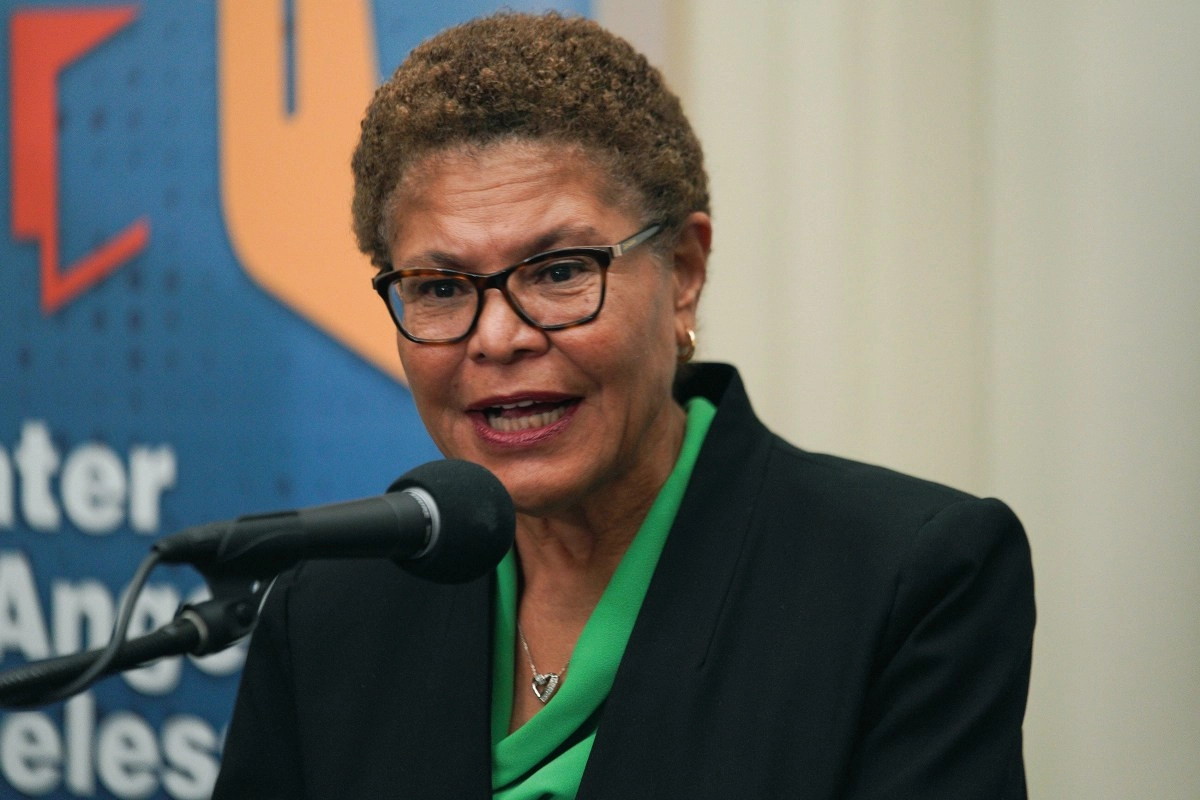
Karen Bass arrives at the Los Angeles mayor's office on December 12, 2022, with the experience she brought after years as a community activist, familiar with the Latino and African American communities.
Her first action as mayor was to declare a state of emergency in the city due to the homelessness crisis. The emergency was extended several times and remains in effect.
The emergency reduced bureaucracy and accelerated contracting and housing project processing, activated the city's Emergency Operations Center, which coordinates actions, and gave Bass greater access to state funds.
What caused the crisis? A convergence of factors: a lack of adequate and affordable housing; delays in the construction of thousands of new homes. Illness and lack of health insurance. Unemployment. Drug addiction and alcoholism. Family tragedies. The instability suffered by the immigrant population. And COVID.
In that sense, the mayor faced the circumstances that make the problem seemingly unsolvable.
Within a month of her visit, she established the Inside Safe program, a proactive, voluntary, urban outreach housing strategy to return people to their homes from tent cities and encampments, and to prevent the encampments from returning, her website explains.
Meanwhile, the county launched its own parallel initiative, Pathway Home.
Between the two, they have placed 6,317 people in temporary housing and 1,449 people permanently.
For months, hotel rooms replaced tents for thousands of the homeless.
But preventing people from falling into homelessness was crucial.
In 2023, Bass launched the We are LA program, a nonprofit solidarity initiative in the prevention of homelessness caused by the inability to pay rent.
To date, We are LA has interacted with more than 410,000 people, of which 30,000 have been connected with resources to help them maintain their housing.
The homelessness front, which the city is part of with volunteer groups, the county, community organizations, and the state government, also includes bathrooms, showers, meals, transportation, help with alcohol and drug addiction, mental health care, preparation for returning to work, and more.
Last year, the results of so much effort and investment began to show: after six years of increases, the number of homeless people actually dropped.
And now, a new USC 2025 survey found that the total number of people sleeping in places unfit for human habitation fell for the second consecutive year compared to the previous year: by 7.9% in the city of Los Angeles, 9.5% in the county.
In two years, the number of homeless people dropped by an impressive 17.5% in the city and 14% in the county.
Thousands of people now have homes.
It's a significant achievement when you consider the challenges our region has faced: COVID, with more than three million infections and 36,317 deaths in the county, the January fires with their 18,000 destroyed homes, the current immigration raids that have paralyzed 11% of the population, and more.
This platform sees its job as criticizing elected officials and leaders for their mistakes, failures, or poor governance, when appropriate. But also, when warranted,Recognizing those who deserve it.
The homelessness problem has not disappeared. There are still 72,308 unsheltered people in the county, 43,699 of them in the city.
But progress has been made. The progress has been real, and considering the negative circumstances, more than considerable. Karen Bass deserves the gratitude of the community.
Gabriel Lerner directed La Opinion between 2014 and 2021. He is currently its editor emeritus, columnist, and editorialist.