

Against the right to vote: Brennan Center for Justice reports on 29 new laws that restrict it
Analysis by the Brennan Center for Justice finds that 29 state laws restricting voting rights have been enacted this year alone.
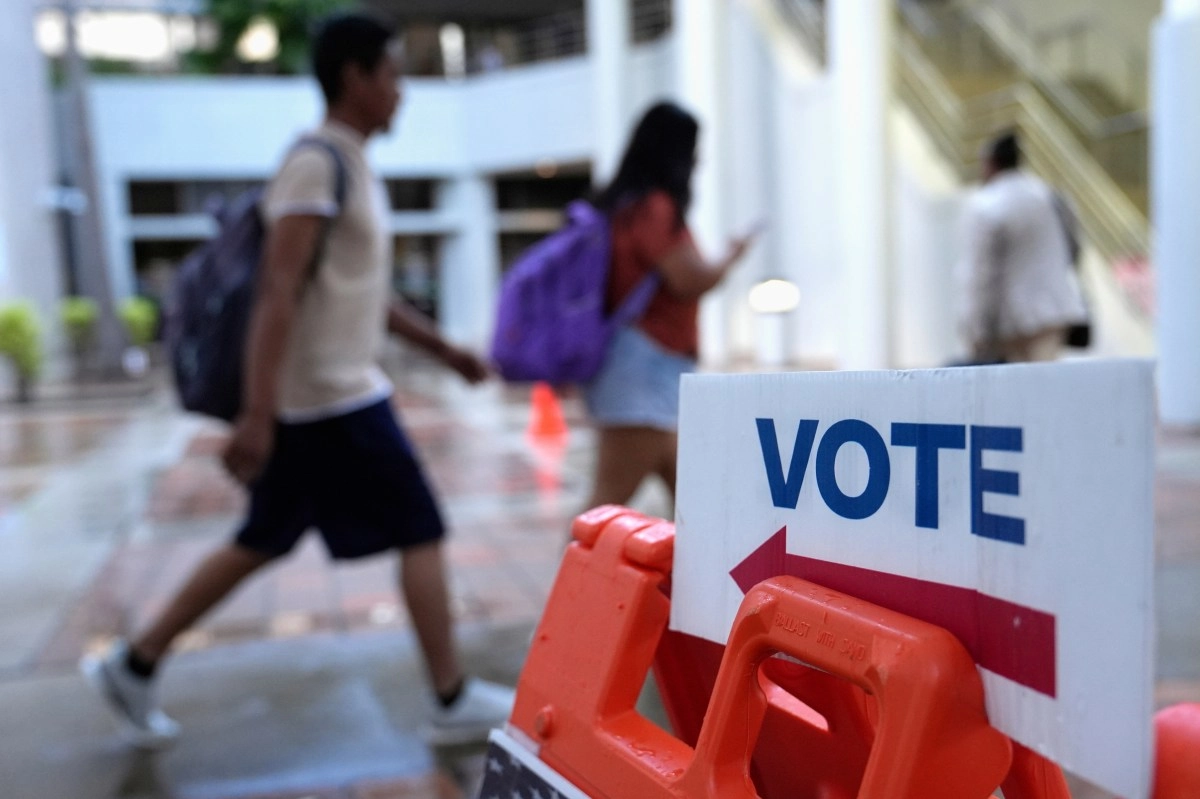

The Brennan Center for Justice at NYU Law School and the Goldman School of Public Policy at the University of California (UC) Berkeley published an analysis this week of 29 new election laws restricting voting rights that were enacted during this year alone. year.
The Brennan Center has been tracking election legislation since 2011.
The “State Election Law Roundup: October 2025” highlights that while state laws restricting voting rights continue to increase, those promoting voting rights are lagging.
Here are some of the findings from the analysis covering January 1, 2025, to October 6, 2025:
The Brennan Center noted in its analysis that: “Attempts to restrict voting access do not appear to be just a one-time escalation, the product of a close election, but rather an entire agenda that persists across election cycles, regardless of recent results.”
Notable Changes in Election Laws Enacted by States in 2025
One of the changes noted this year is that none of these laws refers to a general list of restrictions on the right to vote.
Another noted change is that “These restrictive laws have a negative effect on many important areas of voting access, and some contain multiple provisions that hinder different components of voter registration or the election process.”
“Each of these 29 laws creates new obstacles for some or all voters,” and it is clarified that the analysis does not include enacted laws that do not meet the Brenan Center’s criteria for being restrictive, expansive, or election interference and are generally not counted toward them.
What These New Election Laws Gain
Six state legislatures enacted laws requiring or allowing election officials to remove voters from the voter rolls,or voter rolls, for additional reasons.
Only Indiana and Wyoming have passed new restrictive laws related to citizenship status and elections, although many states are considering requiring a birth certificate or passport to prove citizenship before voting.
At least six states have passed seven restrictive vote-by-mail laws. Of the eight states that mail ballots to every registered voter for every election,
Six states enacted laws tightening ID requirements for voting and registration because they limit acceptable forms of ID. Montana and Indiana eliminated student ID as a voting option, and West Virginia now only accepts photo ID.
Laws like these prevent many eligible U.S. citizens from voting. A Brennan Center study found that 21.3 million Americans—more than 9 percent of the entire voting-age citizen population—are currently in the process of voting. They don't have documents like a passport or birth certificate on hand.
The Brennan Center for Justice's analysis is available in Spanish here.