

Chile elects president with the far-right as favorite
Chileans vote in a runoff election for the country's top leader with a far-right candidate, Jose Antonio Kast
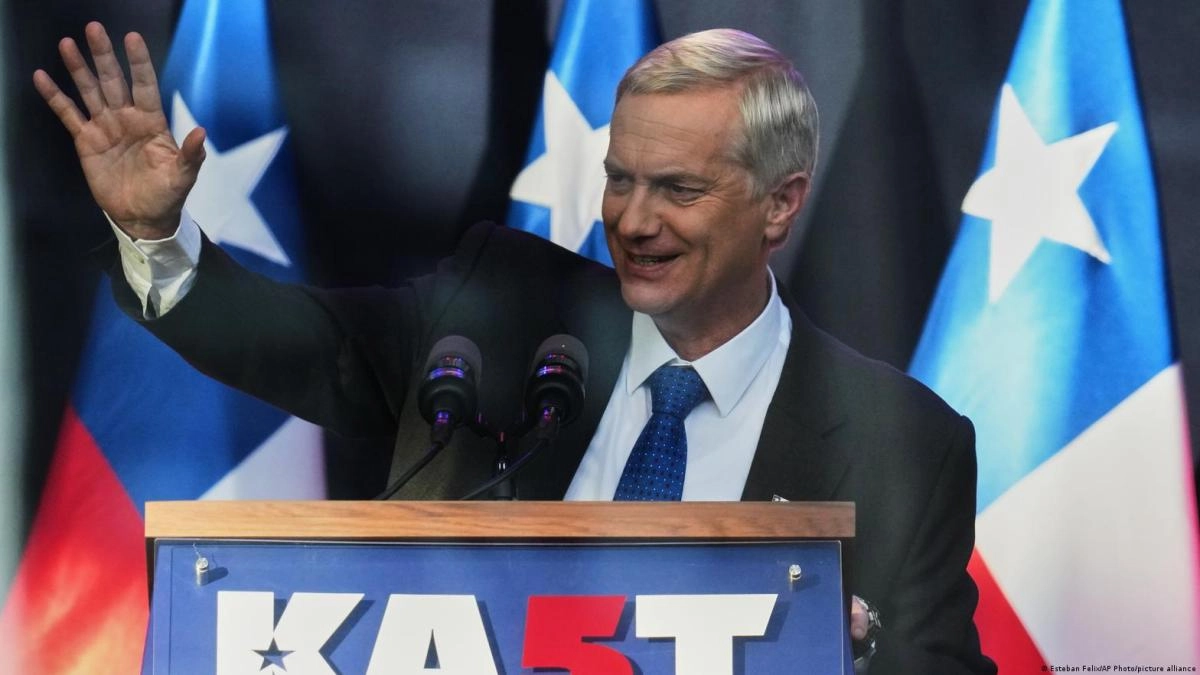

Chileans go to the polls this Sunday in a polarized country with the most right-wing candidate since the end of Augusto Pinochet's dictatorship 35 years ago. Jose Antonio Kast leads by a wide margin in the opinion polls over Jeannette Jara, candidate of the ruling left-wing coalition and member of the Communist Party. The winner of the election will take office on March 11, 2026. Polls indicate that Kast, a 59-year-old lawyer, devout Catholic, and father of nine, is the favorite. He promises to deport nearly 340,000 undocumented immigrants, mostly Venezuelans, and to tackle crime head-on. “The country is falling apart,” Kast repeats time and again in his third attempt to reach the presidency as the candidate of the Republican Party, which he founded five years ago because he found the traditional right wing too soft. Pinochet supporter versus moderate communist. Kast, who supported the military dictatorship and claimed that if Pinochet were alive, he would vote for him, was born into a family of German immigrants. His father, a member of the Bavarian Nazi Party, moved to Chile after World War II and later founded a meat and sausage factory. His rival is the moderate communist Jeannette Jara, a 51-year-old lawyer from a humble background and former Minister of Labor, who promises to raise the minimum wage and defend pensions. In the first round, held on November 16, Jara won almost 27% of the vote. Kast came in second with 24%, but has managed to mobilize voters from the other right-wing candidates in his favor. Insecurity at the heart of the campaign: The issue of crime has dominated the election campaign, even though Chile is one of the safest countries in Latin America. Kast promised “security” at his closing campaign rally. Migration has also taken center stage on the political agenda, driven by the influx of people fleeing violence and poverty in Venezuela. Migrants currently represent approximately 10% of the Chilean population. Experts point out, however, that the perception of fear in Chile is much greater than the current crime figures indicate. "What's important, more than social benefits, is work, security. That people can leave their homes without fear and return at night without thinking that something will happen to them on street corners,” Ursula Villalobos, a 44-year-old housewife who will vote for Kast, told AFP. “Some extreme measures have to be taken at the beginning in order to later achieve a peaceful country,” she added. The so-called social uprising “was very long and very traumatic,” which, added to the crisis caused by the pandemic, produced “a shift towards conservatism,” political scientist Claudia Heiss explained to the same agency. There are also five million new voters due to the reinstatement of mandatory voting “with a very marked inclination towards the right and the far right,” she noted.