

James Talarico raises more than $70 million to try to become a Texas senator
James Talarico, Democratic Senate candidate for Texas, set a new record for money raised in less than a year
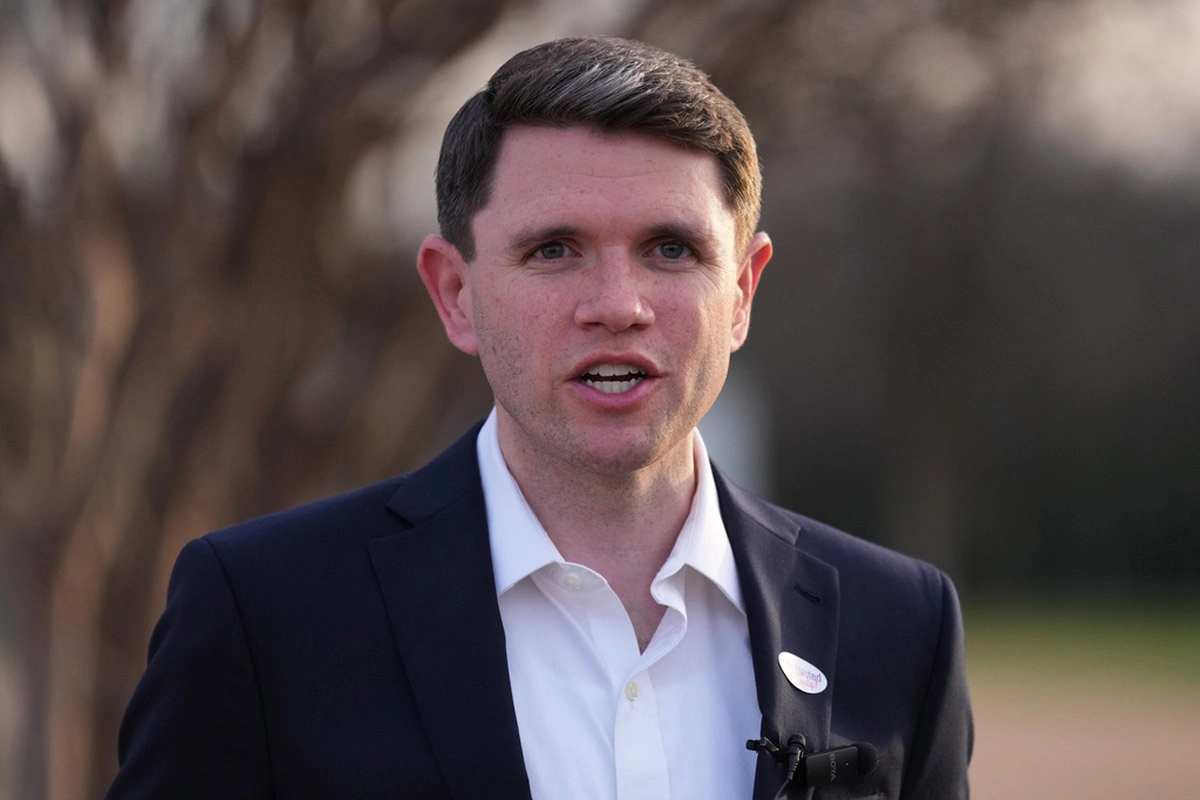

James Talarico, Democratic Senate candidate for Texas, has raised more than $70 million since he started his campaign in September of last year.
The 37-year-old politician, whose goal is to become the state's first Democrat elected to the upper house in almost four decades, increased his quota of supporters and thanks to this, during the second quarter of this year, his campaign exceeded $30 million in donations.
The prestige of having won in early March over his party co-religionist Jasmine Crockett, supposedly the favorite in the polls, allowed the former Presbyterian professor and seminarian to collect the largest amount of donated money of any Senate candidate in the second quarter of an election year.
According to his campaign staff, more than 780,000 people have donated money to the Democratic candidate.
“They are tired of being divided into teams: red against blue, left against right, rural areas against urban areas.
“We are uniting Texans as one team to change this corrupt and dysfunctional political system and reduce costs for working families,” the man who eight years ago became a member of the Texas House of Representatives recently said.
To measure the impact of the work carried out by Talarico among potential voters, it is enough to say that his contributions, during the second quarter, represent more than three times those achieved in the same period by his Republican opponent, Ken Paxton.
In fact, the state attorney general's victory over incumbent Senator John Cornyn in the Republican primary runoff last month netted him $9 million in the second quarter.
According to the National Republican Senatorial Committee (NRSC), that was the most raised by any non-incumbent Republican Senate candidate during this election cycle.
It should be noted that the results of some surveys anticipate that, regardless of the money raised in their campaigns, the dispute for the seat at stake becomes very even, but with around 6% of citizens undecided about who to give their vote to.