

Newsom's weak point: legal donations, but under suspicion
Although legal in California, donations managed by politicians once again raise questions about transparency and possible conflicts of interest
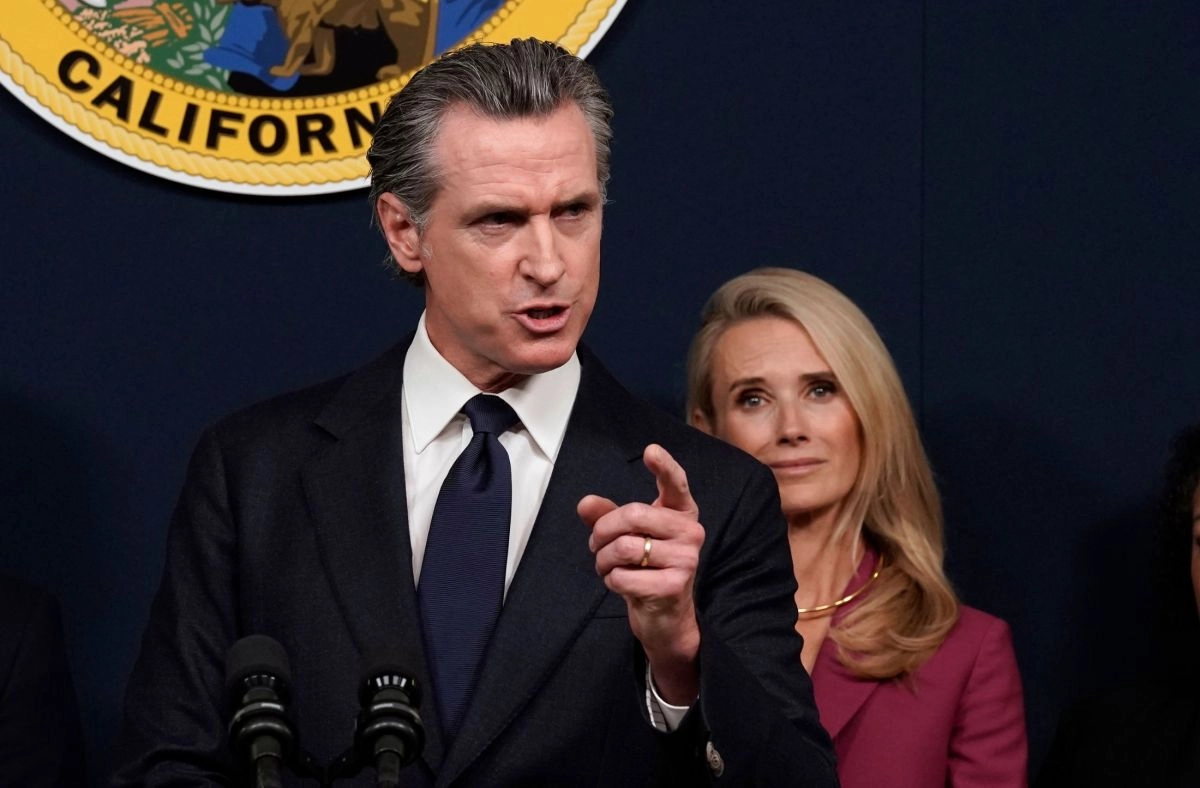

The governor of California, Gavin Newsom, faces a political controversy after the so-called “solicited donations” or behested payments came to light again, a legal practice in California that allows public officials to request contributions for charities, universities or social programs.
According to an analysis published by the Los Angeles Times, the issue has gained relevance after Newsom revealed that the Department of Justice (DOJ) could be investigating his wife, Jennifer Siebel Newsom, which has prompted a deeper review into millions of dollars in contributions directed to organizations linked to his environment.
Although these donations do not constitute a violation of the law, public ethics experts warn that they may raise questions about the political influence behind the contributions made by large corporations and groups with interests in the state government.
A legal practice that generates suspicion
So-called payments on demand have been used for decades by politicians of both parties. Companies like Meta, Google or private insurers have made contributions to projects promoted by public officials, who directly request these resources.
Sean McMorris, director of transparency and accountability at the organization Common Cause California, believes the main problem lies in the appearance of favoritism.
“This problem has been going on for years,” McMorris told the aforementioned media.
The specialist maintains that, although the funds are usually allocated to legitimate causes, there is a perception that companies make contributions because they hope to maintain a favorable relationship with those who exercise power.
The connection with Jennifer Siebel Newsom
The current controversy centers on the fact that some of the organizations benefiting from these donations have ties to Jennifer Siebel Newsom and, in some cases, have paid her salaries or compensation.
Although there is no public evidence of any illegality, the closeness between the receiving organizations and the governor's family has fueled political questions at a particularly delicate moment for Newsom, considered by many analysts as a possible Democratic presidential candidate for the future.
Jessica Levinson, a Loyola Law School professor and governance specialist, offered a more moderate view on the issue.
“I don't think they are the evil mechanism that other people describe,” he said.
A political risk in a year of high tension
The case reflects how legal practices can become political vulnerabilities. As the federal investigation continues, the debate is less about the legality of the donations and more about the public perception of transparency.
For Newsom, the challenge will not only be to prove that he acted within the law, but to convince voters that these financial relationships did not influence his administration's decisions.