

Pressure mounts for federal judge who had sex with police officer in her offices to resign
Eleanor Ross, a federal judge in Georgia, received a reprimand for having sexual relations with a police officer in her office for two years
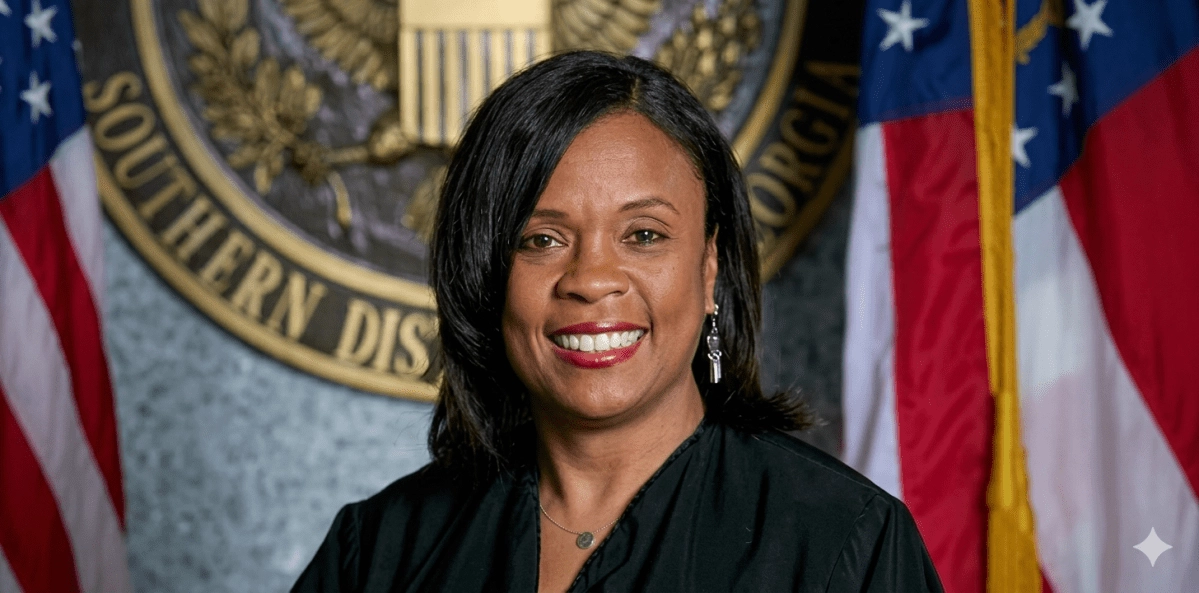

Outrage is growing in the halls of American federal justice. Various civil and legal sectors have begun to raise their voices to demand the immediate resignation of Georgia federal judge Eleanor Ross.
The judge faces growing questions about her permanence in office after an internal investigation of the judicial system concluded that she had a sexual relationship with a police officer for years within her office, during work hours and in circumstances that were witnessed or heard by members of her staff.
The controversy has reignited the debate about transparency and accountability within the federal Judiciary, especially since the sanction imposed consisted only of a private reprimand that did not involve suspension or dismissal.
According to the findings of the investigation, the magistrate had an extramarital relationship with a high-ranking officer for approximately two years. Some of those encounters occurred in his office inside the federal courthouse, where employees reported observing frequent visits by the agent and even hearing what they described as sexual activity.
The case came to light after one of the judge's legal assistants filed a formal complaint. When initially confronted about the accusations, the magistrate denied the facts and suggested that the complainant had made up the story in retaliation for employment issues. However, he later admitted to the relationship.
Investigation revealed contradictions and lack of honesty
The investigation included interviews with several employees, review of security records and analysis of evidence that corroborated the agent's frequent visits to the judicial office.
One of the aspects that generated the most concern among legal experts was that the judge initially denied the facts during the investigation. For critics of the judicial system, this conduct directly affects the credibility of an official whose daily work consists of evaluating the veracity of witnesses, defendants and litigants.
Although the 11th Circuit Judicial Council concluded that misconduct occurred, it also considered mitigating factors, including that the judge ended the relationship, subsequently acknowledged the facts, and accepted certain corrective measures, such as apologizing to former law clerks and temporarily recusing herself from holding leadership positions within the judicial system.
The decision was affirmed by the Judicial Conduct and Disability Commission of the Judicial Conference of the United States.
Calls Grow for Greater Judicial Oversight
The case has sparked reactions among lawyers, public ethics specialists and groups promoting reforms in the federal judicial system. Some consider that the sanction was insufficient given the seriousness of the conclusions reached by the investigation.
Questions have also arisen about possible conflicts of interest, because the agent involved belonged to a police corporation whose members could appear before the judge's court in different judicial proceedings.
Critics argue that the situation reflects structural problems within the disciplinary system of federal judges, who have lifetime appointments and can only be removed through an impeachment process in Congress.
Additionally, organizations that promote judicial reform argue that employees of the Judicial Branch lack protections similar to those that exist for other federal workers when they report irregularities or possible abuses in their workplaces.
While the criticism continues, some sectors have called for the magistrate's voluntary resignation, while others ask Congress to review the supervision and disciplinary mechanisms applicable to federal judges.
For now, the judge remains in office and retains the authority to continue hearing cases in the federal court where she practices, a situation that keeps open the debate about the ethical standards that must be met by those who occupy one of the most responsible positions within the United States judicial system.