

United States leads joint Concacaf bid to organize the 2031 Women's World Cup
Mexico, Costa Rica and Jamaica join the proposal backed by Concacaf
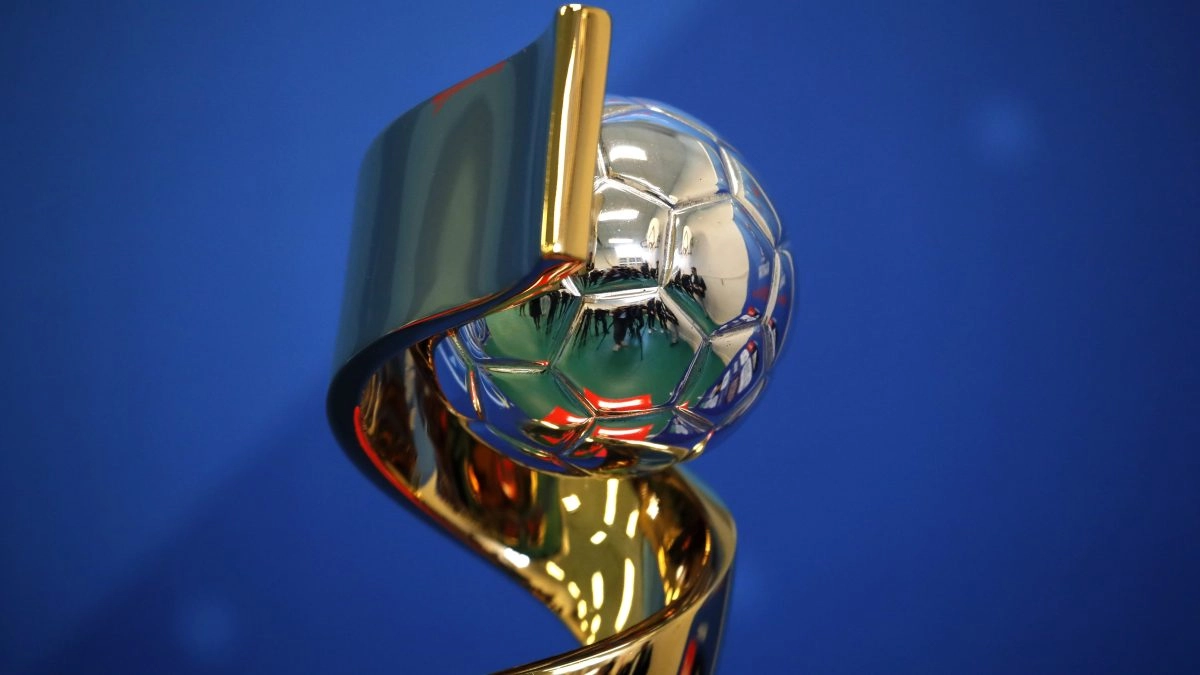

The soccer federations of the United States, Mexico, Costa Rica and Jamaica officially announced their joint bid to host the 2031 FIFA Women's World Cup. The announcement was made this Monday by US Soccer, which highlighted that the proposal seeks to create “the largest Women's World Cup in the history”, with an estimated attendance of 4.5 million fans.
Get 20% off UEFA Champions League streams in Spanish on DAZN.
“We are extremely proud to lead this bid for the 2031 Women's World Cup alongside our Concacaf partners in Mexico, Costa Rica and Jamaica,” said US Soccer President Cindy Parlow Cone during the presentation event in New York.
The project has the institutional support of Concacaf and represents an important step in the expansion of women's football in the region. The official documentation will be submitted to FIFA in November of this year, and the host country will be announced on April 30, 2026, during the organization's congress in Vancouver, Canada.
History of champions and the legacy of the women's tournament
The 2031 Women's World Cup will be the eleventh edition of the most important competition in women's football. The United States has hosted it twice, in 1999 and 2003, and is also the most successful team in the tournament, with four titles (1991, 1999, 2015 and 2019).
Germany has two triumphs (2003 and 2007), while Norway (1995), Japan (2011) and Spain (2023) complete the list of champions. The most recent edition, played in Australia and New Zealand, marked the rise of European football with the crowning of the Spanish national team, which beat England 1-0 in the final.
The tournament's history shows how women's football has evolved into a global phenomenon. From the inaugural edition in China in 1991, won by the United States with figures such as Michelle Akers and Carin Jennings, to Japan's triumph in 2011 and the American dominance of the last decade, The competition has served as a platform to promote equality and visibility for female players around the world.