

Amazon declares war on pirate apps on Fire TV
Amazon wants to prevent users from viewing illegal content on their Fire TV at all costs and already has a plan to achieve this
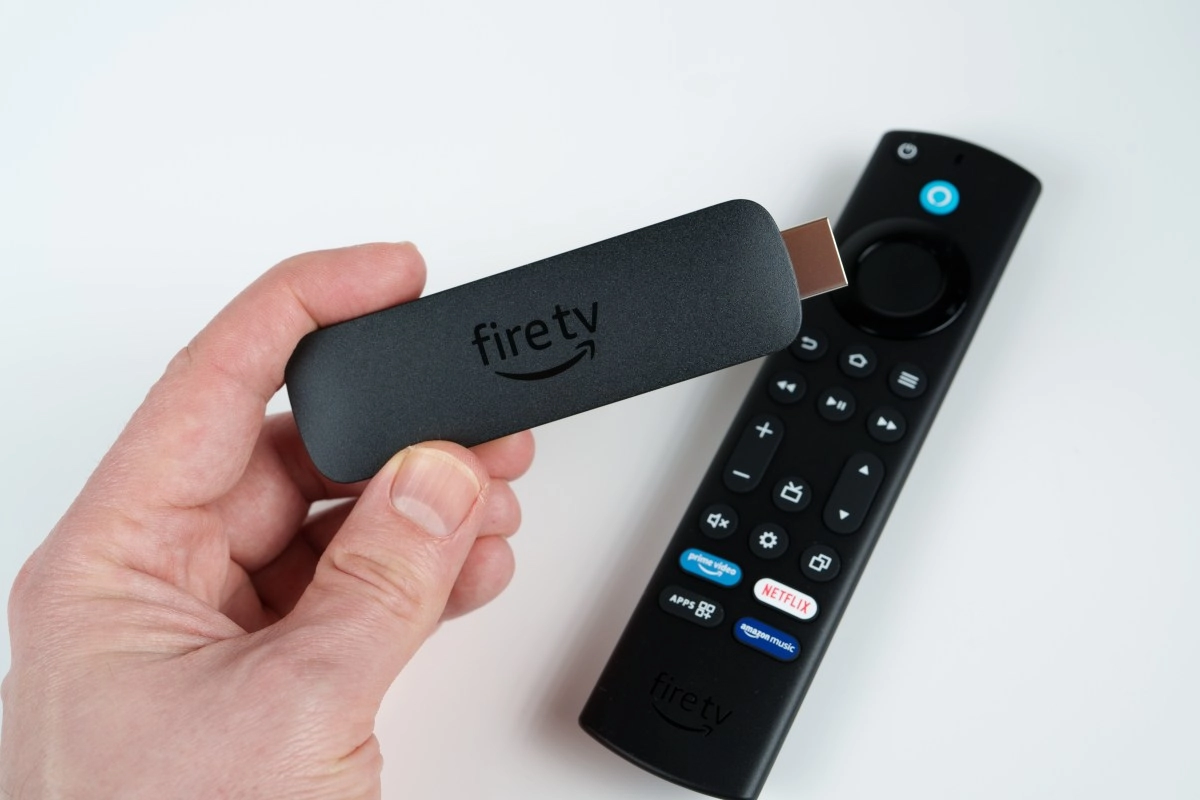

Amazon has started to move with its Fire TV to prevent users from installing pirate apps, and it seems that it is serious. For months, there have been rumors that Amazon would toughen its policy against IPTV applications of dubious legality, the famous ones that allow you to watch streaming content without paying.
And the last few weeks have confirmed those worst fears: Fire TV now automatically blocks apps like Flix Vision, Live NetTV, Blink Streamz, and Ocean Streamz. This could mark the beginning of the end of piracy on Amazon devices.
What's really happening with Fire TV?
Since the end of June, Fire TVs have disabled or outright blocked the installation of several apps considered piracy tools or security risks. It's no longer enough for the user to want to download them: the system detects these APKs as soon as they appear, displaying a message warning that they "may put your device or personal data at risk." Those affected aren't just small or little-known apps. Live NetTV and Flix Vision were popular among those looking to watch TV channels without paying. And Blink Streamz or Ocean Streamz were in the spotlight because some antivirus and browsers flagged them as potentially dangerous.
But beware, although security serves as the official justification, many users and analysts suspect there's more to it: if these tools allow you to watch content outside the Amazon ecosystem, with alternative advertising or without a subscription, then they undermine the company's business model, which has been increasingly promoting its Prime Video, Fire TV Channels, and in-app purchases. So the discourse of "protecting the user" also hides an effort to defend its commercial territory.
Changes in the Amazon ecosystem
The rumors had been circulating since early 2025, although many took them with a grain of salt. But the bombshell came with an update that also eliminated the ability to hide pre-installed apps like Prime Video, Fire TV Channels, and Amazon Live Shopping.
This forced move broke the last line of user customization: not only could they no longer choose which apps they wanted to see, but they were forced to accept the visual content of the Amazon ecosystem. If it was annoying before, now it feels like a strategy to tie the user tightly to its platform.
And the panorama doesn't end there. Later, Amazon announced that it plans to replace Android with a new operating system of its own, called Vega OS, which would debut before the end of 2025. Vega OS will not be compatible with third-party Android apps, allowing Amazon to exercise full control over which apps reach the device, preventing the installation of external software, including popular piracy tools. A masterstroke if what they seek is to maintain a closed ecosystem under their control.
Is piracy on Fire TV's days numbered?
Probably, yes. By blocking apps known for offering unauthorized content, and by disabling customization and third-party app installation capabilities, Amazon is closing off the main avenues that allowed access to piracy on Fire TV. Users may find alternative ways, such as rooting the device or using complicated protocols, but for most, accessing "unofficial" content will become increasingly difficult. Furthermore, if Vega OS completely eliminates the ability to sideload (manually installing apps), we would be talking about an environment where only Amazon-approved apps can be used. It's hard to imagine how pirated services would sneak in if you can't even install them via USB or download them from a browser within the system. Of course, this generates a heated debate: on the one hand, there is user protection and the defense of copyright, and on the other, the limitation of freedom of choice and device customization. Some criticize Amazon for using generic terms like "security risks" as a pretext for imposing its commercial control. But the truth is, for those who wanted to use their Fire TVs as open platforms, this is a turning point.
In short, Amazon has decided to take a step forward and put an extra layer of cement around its ecosystem. And while piracy itself won't disappear overnight, it will be much more difficult for average users to access it from Fire TV.