

Goodbye to OpenAI's reign: Sam Altman is worried about Google and Gemini 3
Google's new AI model appears to have jeopardized OpenAI's long reign in the world of Artificial Intelligence
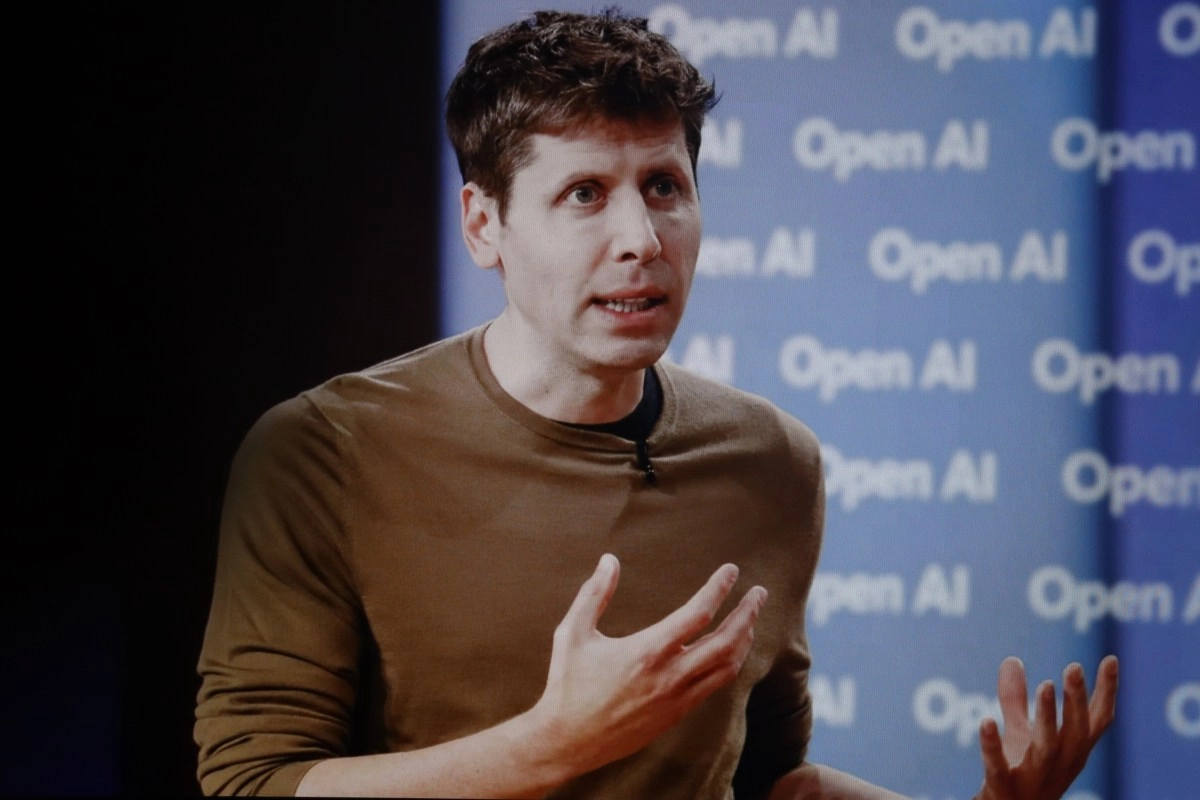

OpenAI's hegemony in the generative artificial intelligence sector faces its most significant challenge to date. After years of undisputed leadership with ChatGPT, the competitive landscape has changed drastically with the consolidation of Google's new tools, a situation that has prompted an internal warning from Sam Altman, CEO of OpenAI, about the financial and strategic implications for the company. Recent information from CNBC reports and market analysis indicates that the launch of Gemini 3 has positioned Google with a technical and adoption advantage that threatens the dominance OpenAI has held since 2022. Altman warns of "temporary economic challenges" due to competition. Sources close to the company revealed that Sam Altman recently communicated to his team the need to prepare for a period of adjustment. In an internal memo, the executive noted that the rapid progress of competitors, specifically Google, could lead to a "complicated environment for a while" for OpenAI. The central concern lies in financial sustainability in the face of a competitor with almost unlimited resources. While Google boasts cash reserves exceeding $112 billion and a diversified business model that allows it to fund AI development with search engine profits, OpenAI relies on external funding rounds to sustain its operations, which entail high operating costs for training and maintaining models.
Gemini 3 Redefines Performance Standards
The turning point in this new market dynamic has been the introduction of Gemini 3. Independent technical evaluations and reports from The Wall Street Journal suggest that Google's model has outperformed current versions of ChatGPT in multiple key benchmarks.
The tests highlight Gemini 3's superiority in areas such as:
This technical advancement is attributed to an internal restructuring at Google, overseen by Sundar Pichai and with the direct involvement of co-founder Sergey Brin, who have prioritized code optimization and accelerating development cycles.
Integration into the ecosystem: the deciding factor
Beyond technical capabilities, Google's distribution strategy represents the greatest risk to OpenAI's market share. Unlike ChatGPT, which operates primarily as a standalone destination, Gemini 3's technology has been directly integrated into Google Search and its productivity suite.
This omnipresence has facilitated rapid adoption. Recent data indicates that the monthly user base of Google's AI tools grew from 450 million to 650 million after the latest updates.
Features like "AI Mode" in the search engine allow users to access interactive simulations and generative answers without leaving their usual browsing flow, a structural advantage difficult for competitors lacking a similar platform ecosystem to replicate.