

Qualcomm declares war on the MacBook Neo with the Snapdragon C, the chip that Windows needed
The new Snapdragon C promises Windows laptops from $300 with integrated AI and all-day battery life to compete with the MacBook Neo
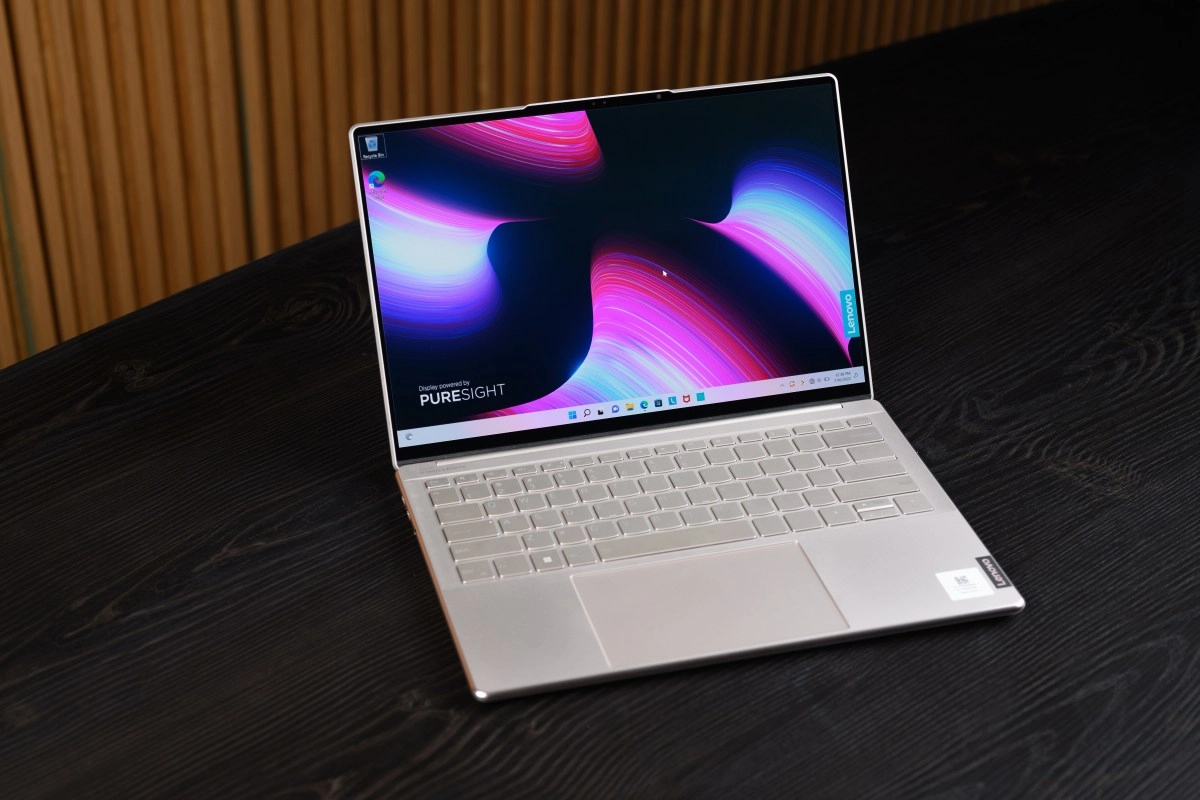

The low-cost laptop market just got a major shakeup. Qualcomm has officially presented the Snapdragon C, its new processor designed especially for entry-level Windows laptops, and the industry already sees it as the most serious response that the Microsoft ecosystem has had against the devastating impact of Apple's MacBook Neo. This is not just another technical update, it is a declaration of intent from a company that knows exactly what it is doing.
Since Apple launched the MacBook Neo at $599, the landscape of affordable laptops has completely changed. Before, no one expected an Apple laptop to be affordable for students, families or small businesses without sacrificing what makes the apple different.
The result has been a product that is rapidly gaining ground, precisely because it combines what most people look for in a daily laptop: careful design, good autonomy and more than enough performance for everyday life. Windows needed to move, and fast.
The Snapdragon C, the chip that changes the rules of the game
Qualcomm presented the Snapdragon C during Computex 2026, and although for now the technical details are limited, what is known already generates a lot of expectations. This processor uses Kyro cores based on ARM architecture, a more modest bet than the Snapdragon
What makes this chip special is not only the price it can reach, but what it brings with it in terms of artificial intelligence. The Snapdragon C includes an integrated NPU, that is, a neural processing unit that allows it to execute AI tasks locally, without depending on the cloud.
Until now, having smart features on a cheap laptop was nothing short of a luxury. With this chip, even a $300 laptop could handle assistants, transcriptions, or image enhancements directly from the hardware, without sending data to any external servers.
In addition, Qualcomm has promised a silent design and an all-day battery — something that was precisely one of the great advantages that the MacBook Neo used to differentiate itself. The new platform also aims to offer smooth web browsing, seamless streaming video playback, and good performance in productivity tools. It is not a chip for 4K video editing or heavy gaming, and Qualcomm knows this very well. It is exactly what millions of users need without paying more.
The first laptop with Snapdragon C already has its own name
Along with the announcement of the chip, Qualcomm revealed the first device that will incorporate it — the Acer Aspire Go 15, a minimalist, thin and light laptop that comes with 8 GB of RAM, 512 GB of storage, a 15.6-inch Full HD screen, a full HDMI and two USB-C ports. It is not a laptop that aims to impress with extreme specifications, but one that aims directly at the user who wants something functional, well built and affordable in price.
In addition to Acer, it is known that HP and Lenovo will also be among the first manufacturers to adopt the Snapdragon C for their own entry-level models. That means we're not looking at an isolated effort by a single OEM, but rather a coordinated move by the Windows ecosystem to regain ground in a segment that was long considered safe. Qualcomm isn't betting on just one horse — it's pushing the entire pack.
The only point that remains to be resolved is the most important one — the final price of the devices and their actual performance compared to the A14 Pro chip in the MacBook Neo. Without that data, it's impossible to know for sure if the Snapdragon C will deliver everything it promises. Of course, the direction is clear and the intention is firm.
Windows can't afford to lose this segment
Here is something worth highlighting clearly. Low-cost laptops are the main entry point into the personal computer ecosystem — they're the ones students buy when they start college, the ones parents give as gifts for Christmas, the ones small businesses buy by the dozen. Losing that ground to Apple is not only a commercial defeat, it is losing the gateway to an entire generation of users.
That's why the Snapdragon C isn't just another new processor — it's the strategic answer Windows needed to maintain its position as the leader in the affordable laptop market. Intel and AMD have dominated this space for decades, but the power efficiency and AI integration offered by ARM are rewriting the rules. Qualcomm, which has already demonstrated its high-end capabilities with the Snapdragon
Laptops with Snapdragon C will arrive before the end of 2026, and when they do, the entry market will have a real fight. Apple woke up a giant that had been sleeping for too long, and the result could be very good for everyone — especially for consumers looking for powerful laptops without breaking the bank.