

The out-of-court settlement between Google and Epic is about to change how Android works
Google will implement a whole series of changes to Android as part of the out-of-court settlement reached with Epic Games months ago
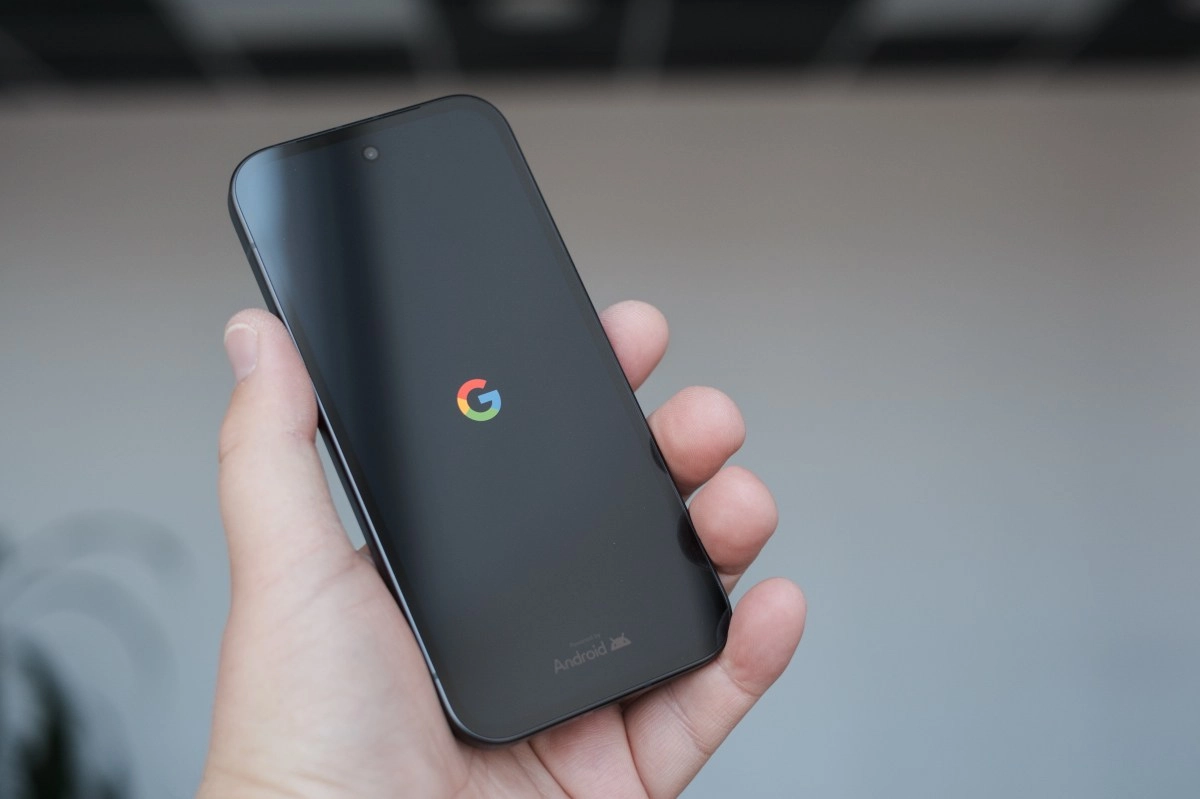

The monumental legal battle between Google and Epic Games came to an end months ago thanks to an out-of-court settlement, and the effects of this agreement are about to materialize in the Android ecosystem.
As expected, this clash of titans brings irreversible consequences for the mobile app industry. Google has been forced to completely rethink its business strategy. The search giant has just announced a series of structural changes that will transform our experience. These transformations are not simple routine software updates or minor security patches. This is a radical change in the way developers and users interact with the operating system. The parent company of Android has officially confirmed that it will implement three fundamental changes very soon. To understand the magnitude of this event, we must remember that Epic Games fought to break the app store monopoly. They wanted fairer conditions for software creators and greater freedom of choice for consumers. Everything indicates that this persistence is finally paying off. The developer community has received this news with a mixture of enthusiasm and understandable caution. After years of exorbitant commissions and stifling restrictions on the Play Store, the picture is beginning to clear. Google's absolute control over its mobile platform is coming to an end. The end of an era and the changes in Android. The dominoes have begun to fall, and the impact of this legal ruling is undeniable. Android's management has published a statement detailing how they plan to adapt to the demands of the current market. Flexibility and openness will be the new fundamental pillars of the mobile ecosystem. This new approach represents a massive victory for free competition in the smartphone sector.For a long time, we were trapped in a walled garden where only the rules imposed by a single dominant player existed. Fortunately, that restrictive mindset now belongs to the past of technology.
Google plans to implement these new features gradually in different regions of the world over the coming months. The United States and the United Kingdom will be the first territories to experience these advantages before the end of June. The rest of the world will see these benefits arrive progressively until 2027.
The three major transformations of Android
The first major change directly affects payment methods within mobile applications. Google will offer developers unprecedented freedom to manage their financial transactions. Now, creators will be able to use their own billing systems alongside the traditional Google Play method.
This new billing feature goes a step further than we initially imagined. Developers will also have the option to redirect users to their own external websites to complete purchases.
The main goal is to maximize available options and ensure consumer safety. The second structural change will revolutionize how we install apps on our smartphones. Google will implement a new official system to facilitate the installation of third-party app stores. We'll see a revamped installation flow for alternative stores that formally register with Android. This registration process will allow users to clearly see the capabilities of the external store before installing it. It will also display direct links to the corresponding privacy policies and terms of service. Installing apps from outside the Play Store will be a much more transparent and intuitive process. Platforms that choose not to participate in this new optional registration program will continue to operate under the current conditions. Users will still be able to install these alternative stores using traditional sideloading methods. However, they will face the same security restrictions and warnings that exist today. The third massive change will directly impact the commission structure that Google charges developers. The company will establish a 5 percent fee for the use of its billing system in specific markets. This significant reduction will ease the financial burden on thousands of independent software studios. Additionally, general service fees will experience a considerable reduction depending on the type of purchase made.For new app installations, the commission for in-app purchases will be reduced to 20 percent. Recurring subscriptions will also benefit from a much more attractive rate of 10 percent.
The impact on your wallet and the future
All these financial changes mean that content creators will retain a larger share of their legitimate income. With reduced operating fees imposed by the parent platform, developers will have more capital to invest. This will inevitably translate into better games and higher-quality apps for end users.
The arrival of registered app stores is planned to coincide with a major Android release later this year. We will likely see this feature debut alongside version 17 of the operating system. The future of mobile phones is shaping up to be much more open and competitive than ever before.
Competition between different digital stores will force Google to constantly improve its own official platform. If the Play Store wants to maintain its leadership, it will have to offer real advantages to both creators and consumers.
The lazy monopoly is dead, and a new era of constant technological advancement has begun.