

Ukrainian drones can now fly at speeds similar to those of a Formula 1 car
Videos released by the Ukrainian government demonstrate that their drones are capable of carrying out aerial attacks at around 190 miles per hour
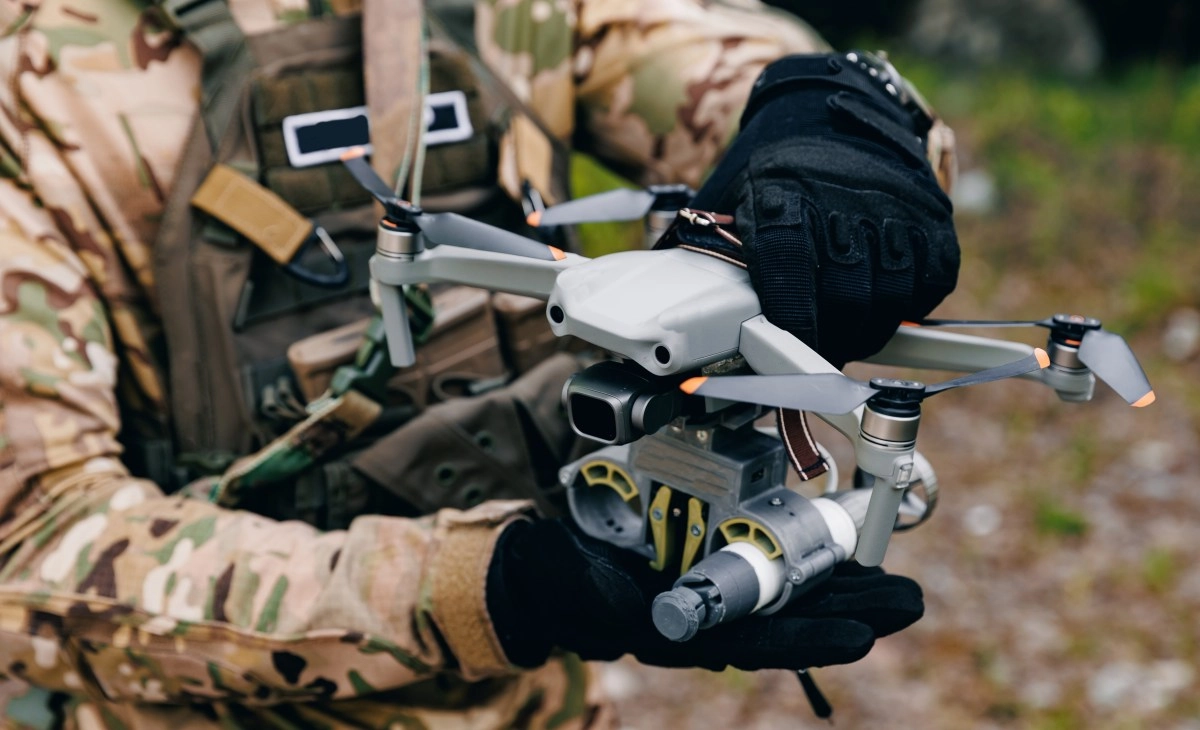

Drone development on the Ukrainian front continues, and now these devices fly at speeds that rival Formula 1 cars, reaching more than 190 miles per hour. This makes them virtually impossible for enemy defenses to evade. War-born innovation is redefining the battlefield.
Ukrainian drones fly at F1 speed
Imagine a drone whizzing around Monza like a race car, but instead of asphalt tracks, it's flying over icy trenches. Ukraine has taken FPV (First Person View) drones to another level, adapting commercial drone racing technology for real warfare. Local companies like Wild Hornets have tested the Sting, an interceptor that hits 195 mph in steady flight, nearly 190 mph in combat conditions.
These things aren't toys: they cost around $2,500 each and have already shot down thousands of Russian Shahed drones, those Iranian loitering munitions that Russia launches in swarms.
The Minister of Digital Transformation, Mykhailo Fedorov, boasts of domestically produced engines that propel these drones beyond imaginable speeds, even outperforming bullet trains in recent tests. The key lies in ultralight carbon fiber chassis and propellers optimized for zero wind resistance, making the impact lethal and unavoidable.
From Racetracks to the Battlefront
The story is fascinating: what began as a hobby of speed drones in civilian competitions is now saving lives in Ukraine. Engineers took high-end racing engines—think of those drones that race at 170 km/h on tracks—and modified them for the chaos of war. The result: drones that chase down Shaheds at 190 mph, neutralizing threats before they reach cities. Wild Hornets reports over a thousand shootdowns, and organizations like Come Back Alive tally 3,000 Russian drones downed, with an enemy value of $195 million. It's a brilliant asymmetric warfare strategy: a cheap Ukrainian drone halts massive Russian attacks that cost fortunes in missiles.
Russia has responded with its own jet-powered Shaheds at 230 mph, but Ukraine is already producing thousands of units per month using platforms like the Brave1.This evolution from “racetracks to the front lines” shows how war can accelerate the technology industry in unprecedented ways.