

5 tricks to cook the Thanksgiving turkey and make it perfect, according to chefs
Several chefs share techniques to achieve a juicy, tender, and well-cooked Thanksgiving turkey, from brining to smoking or frying
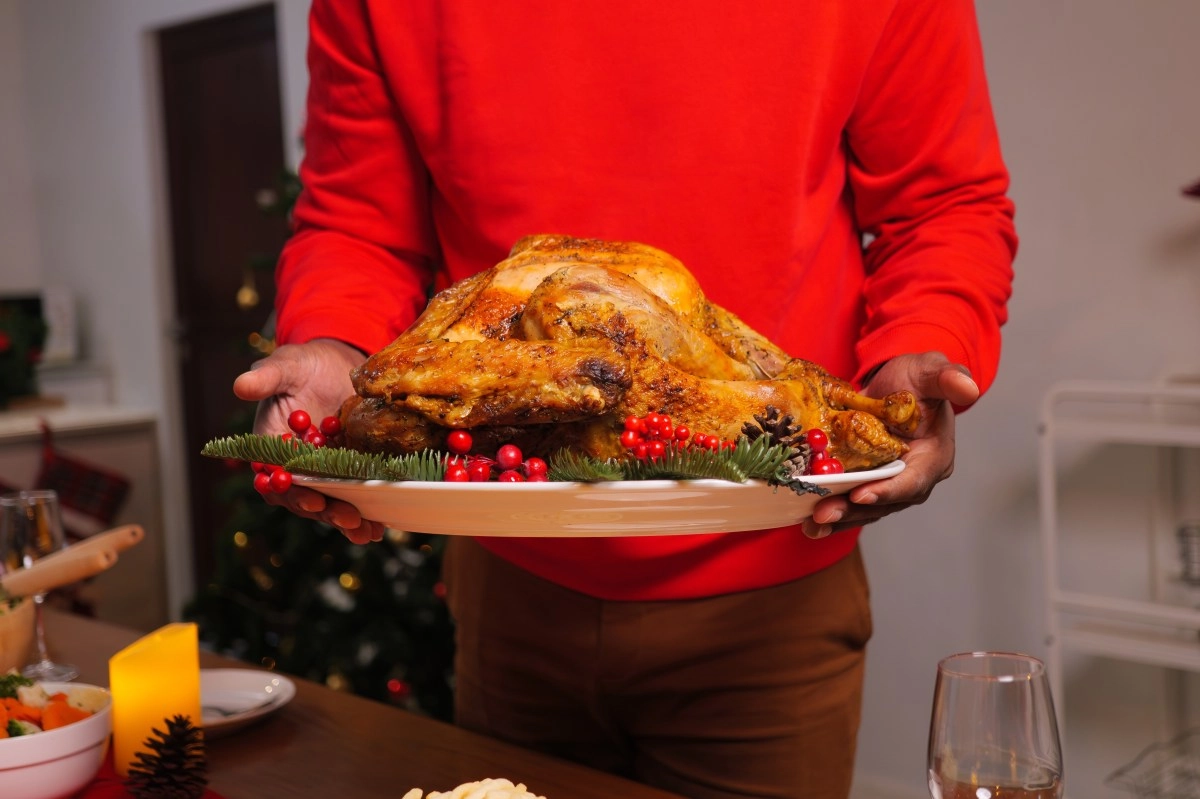

For many ambitious cooks, cooking the Thanksgiving turkey is one of the great challenges of the season. It's not just about presenting an attractive dish, but about ensuring the meat is juicy, has a good texture, and is well-seasoned. While every household has its traditions, several chefs share professional techniques that can elevate the final result. Their recommendations stem from experience, but they also remind us that there are different methods and that personal preferences will always apply. 5 Tricks or Techniques for Cooking Your Thanksgiving Turkey 1. Brining the Turkey to Ensure Juiciness One of the most frequently repeated tips among chefs is to use brine. Treating the meat with salt or a saltwater mixture helps to season it, break down proteins, and achieve a more tender texture. Mari Katsumura, executive chef and pastry chef at Yugen in Chicago, told Business Insider that she recommends brining the turkey for at least 12 hours. However, others believe that the longer the better: 24 or even 48 hours.
You can also add soy sauce, citrus fruits, wine, and herbs, creating a rich and aromatic brine.
2. Debone or butterfly the turkey for even cooking
Many cooks agree that a backboneless or butterflied turkey cooks better. Chris Morgan, chef at Bammy's in Washington, D.C., removes the backbone, flattens the bird, and cooks it slowly.
He first covers the turkey with a cloth for several hours and then increases the temperature to achieve a golden-brown skin.
Andrew Zimmerman, executive chef at Sepia in Chicago, also prefers this method: he separates the legs and thighs, cures them with herbs, and cooks them in duck fat.
Then roast the breast separately.
Although it involves more steps, it results in a turkey that is cooked evenly and with different parts perfectly prepared.
3. Fry the turkey for crispy skin and juicy meat
Curtis Stone,The chef who runs Maude and Gwen in Los Angeles became an advocate for frying turkey after doing it once. Cooking in oil prevents the meat from drying out and speeds up the process. The chef recommends drying the turkey in the refrigerator for a couple of days before frying and maintaining a moderate oil temperature, adjusted to the size of the bird. The estimated time is about 35 minutes, but safety is key: the recommendation is to do it outdoors and with pots specifically designed for turkeys. 4. Smoking the Turkey for a Deeper Flavor Smoking the turkey is another popular technique. Morgan suggests keeping the temperature between 225 and 250°F to achieve a golden and tender finish.
She also indicates that the bird should be removed when the dark meat reaches 71°C and allowed to rest before carving to allow the juices to redistribute.
This method imparts a characteristic smoky flavor and a texture less prone to drying out.
5. Roast it breast-side down to retain juices
Beverly Kim, who runs the Chicago restaurant Parachute, discovered this trick by accident: cooking the turkey breast-side down for half the time. This allows the juices to collect in the breast, which is usually the driest part. In the final stage, she recommends turning the bird over and increasing the temperature to achieve a golden-brown skin.
It's a simple technique that improves internal moisture and prevents the breast from drying out.