

Abdul Basit Warns India: Pakistan Will Retaliate If Provoked After Pahalgam Terror Attack
Former Pakistan High Commissioner Abdul Basit issued a warning that Pakistan will respond strongly if India retaliates after the Pahalgam terror attack in Kashmir. The statement raises fresh concerns amid rising cross-border tensions.
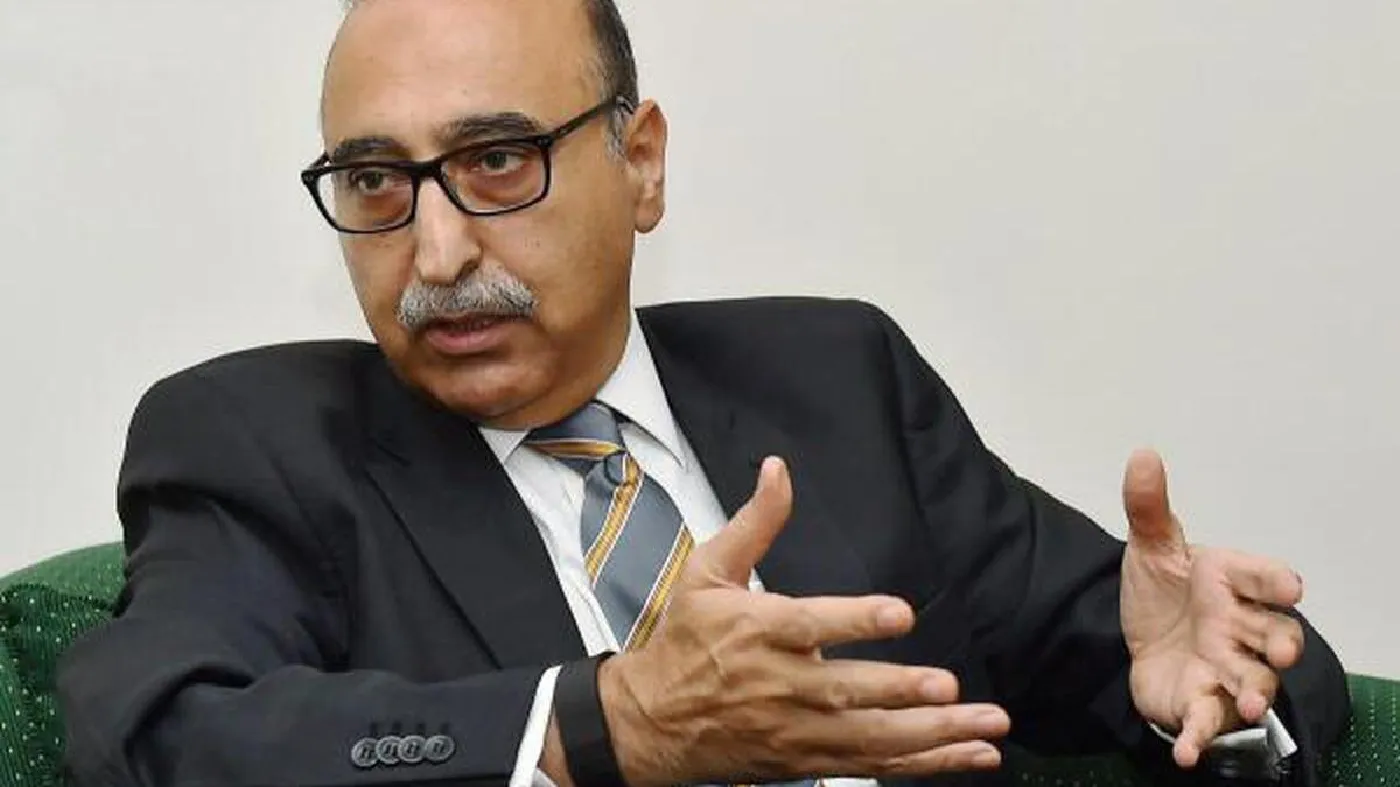

In the wake of the recent terror attack in Jammu and Kashmir’s Pahalgam region, political tensions between India and Pakistan have escalated once again. The chilling statement by former Pakistan High Commissioner to India, Abdul Basit, has added fuel to the fire, warning that Pakistan will retaliate if India dares to take any action in response to the attack.
Background of the Pahalgam Attack
The terror strike in Pahalgam’s scenic Baisaran Valley left the nation in shock. A honeymooning couple was among the civilians caught in the crossfire, highlighting the vulnerability of even peaceful tourists in conflict-prone regions. The attack has not only sparked nationwide outrage but has also ignited calls for stringent measures against terrorism.
Abdul Basit’s Provocative Statement
Speaking to a media outlet, Abdul Basit made a direct and controversial comment regarding India’s possible response. “If India tries anything,” he said, “Pakistan will respond in kind.” This assertive declaration comes at a time when India is mourning the loss of innocent lives and seeking international support to condemn terrorism emanating from across the border.
India’s Stand on Cross-Border Terrorism
India has repeatedly accused Pakistan of sheltering terror outfits that operate in Kashmir and other sensitive regions. The Indian government, including Prime Minister Narendra Modi and Home Minister Amit Shah, has strongly condemned the Pahalgam attack and vowed that those responsible will not go unpunished. These developments have once again brought the India-Pakistan dialogue to a standstill.
International Reactions
While the global community is still gathering details about the attack, initial responses have come in support of India’s right to defend its citizens. There has been no official backing of Abdul Basit’s statement from the Pakistani government, but such comments often reflect a larger sentiment that exists among political sections across the border.
Who is Abdul Basit?
Abdul Basit served as Pakistan’s High Commissioner to India from 2014 to 2017, a tenure marked by several diplomatic stand-offs and border skirmishes. Known for his unapologetic views and harsh rhetoric on Indo-Pak relations, Basit has often courted controversy. His latest remarks, however, could be seen as an attempt to provoke or distract from the growing international criticism of Pakistan’s handling of terrorism.
Security Alert Along the Border
Following the attack and rising threats, security along India’s borders has been tightened. The army and paramilitary forces have been put on high alert, and intelligence agencies are working round the clock to trace the attackers’ origin. Counter-terrorism operations are already underway in Kashmir to dismantle any potential modules planning further violence.
Impact on Bilateral Relations
India and Pakistan’s relations have long been fragile, marred by frequent conflicts and accusations. The latest episode in Pahalgam and Basit’s remarks are likely to worsen the already tense diplomatic atmosphere. Peace talks, which had seen some informal backchannel activity, now appear to be completely off the table.
The Road Ahead
With elections and political narratives on both sides intensifying, nationalistic sentiments are dominating headlines. India’s leadership remains firm on its stance that terror and dialogue cannot go hand-in-hand. The message from New Delhi is clear — while peace is desired, India will not hesitate to act in defense of its sovereignty and citizens.
As the world watches closely, the aftermath of the Pahalgam attack continues to unfold. Abdul Basit’s aggressive rhetoric has only heightened the tension between two nuclear-armed neighbors. Whether this will lead to a deeper conflict or prompt global mediation remains to be seen. For now, both nations stand at a delicate juncture, and every word, action, or inaction could significantly alter the regional landscape.