

Iran: The women challenge the veil Islamic mandatory
Despite the state repression, grow the resistance of the women against the obligation to carry the veil Islamic
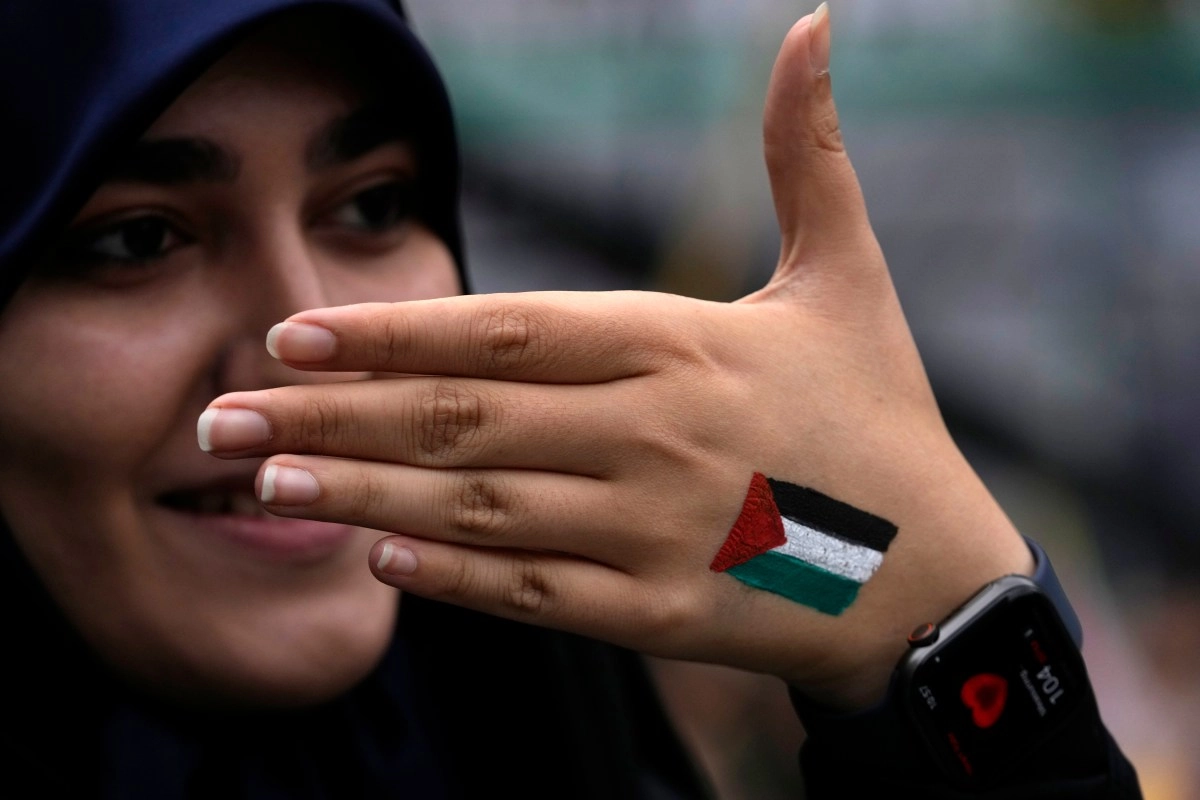

The state policy respect to hiyab or veil Islamic no follows currently strict norms, affirmed the conservative ali mothari, the week past, to margin of the international fair of the book of the teherán. According to he, the Police must intervene Solo Ante Infractions Graves. “There is to remember that, even in times of the Sha -es Say, before of the revolution of 1979-, Se arrest to women that no were dressed in way decent in public”, added.
Ali Motahari is one of the conservatives that, before of the national protests after the death of jina mahsa amini low custody police, in September of 2022, had demanded repeatedly measures severe against women that were diverted, even slightly, strict code of dress. “Why what allows to the women carry pants below coat?”, asked already in 2014, as parliamentary to then minister of the interior, y demanded more strict actions.
A country transformed
"What we have achieved in the last three years no us can remove the state", write a dw a researcher gender and journalist from tehran. She is a a of the women that no only are denied a Use the hijab in public, but that also aliar a others a decide freely if wish carry it or no. by their posture, receives warnings officers and even even threats death in calls anonymous.
"No can force us more to follow your rules and automatically the hijab every time that we leave from house", argues.
Assures that Iran ha changed from the death of jina mahsa amini. A example of it was vio in the funeral of the writer y poet Irani shiva aristoui, the 12 of May. in his house, the coffin was carried by women without the mandatory hijab. tradition Only this was a task reserved a men for reasons religious and social. but from the start of the movement “woman, life, freedom”, every time more women, without veil, participate in funeral and load the coffins of their beings loved ones.
Many of them Avoid consciously a the media foreigners and refuse the public attention, for power continue with their path without reprisals additional. Any contact c on media international can be considered as “propaganda against the system”, “collaboration with a government enemy” or even a “commission of the foreign”, and being penalized.
A example is the journalist nilufar hamedi, awarded internationally. Its coverage over the death of jina mahsa amini the made known in all the world in 2022. pu blico, between others, a photo of the parents of amini crying, that was viralized y became became symbol of the protests more large in irandes of the revolution of 1979.
Hamedi was arrested y accused of “collaboration with a government enemy” and “propaganda against the system”, y condemned to 13 years of prison. After 17 months, f EU released bass bail in January of 2024 y in February of 2025 received the pardon of the supreme leader , the ayatolaa ali jamenei, together to its colleague elahe mohammadi.
The 11 of May, 2800 days after of the report that shook to the country, se published again a article signed by Hamedi in the newspaper Shargh. Se le ha allowed retake its work journalistic in Iran.
The state no has strength stop the change
Ha capitulado el Estado ante las mujeres? “No”, responde Sedigheh Vasmaghi, teologa y defensora de los derechos de las mujeres, a DW. “Lo que han logrado las mujeres con su resistencia no ha sido aceptado por el sistema político. Pero el Estado no tiene la fuerza para detener este cambio, ni mucho menos revertirlo.”