

Mexico responds to Trump for tariffs on tomatoes; Warns that measure will affect the pockets of Americans
According to the Mexican government, the United States does not have enough tomato production for its domestic consumption, so it is forced to import
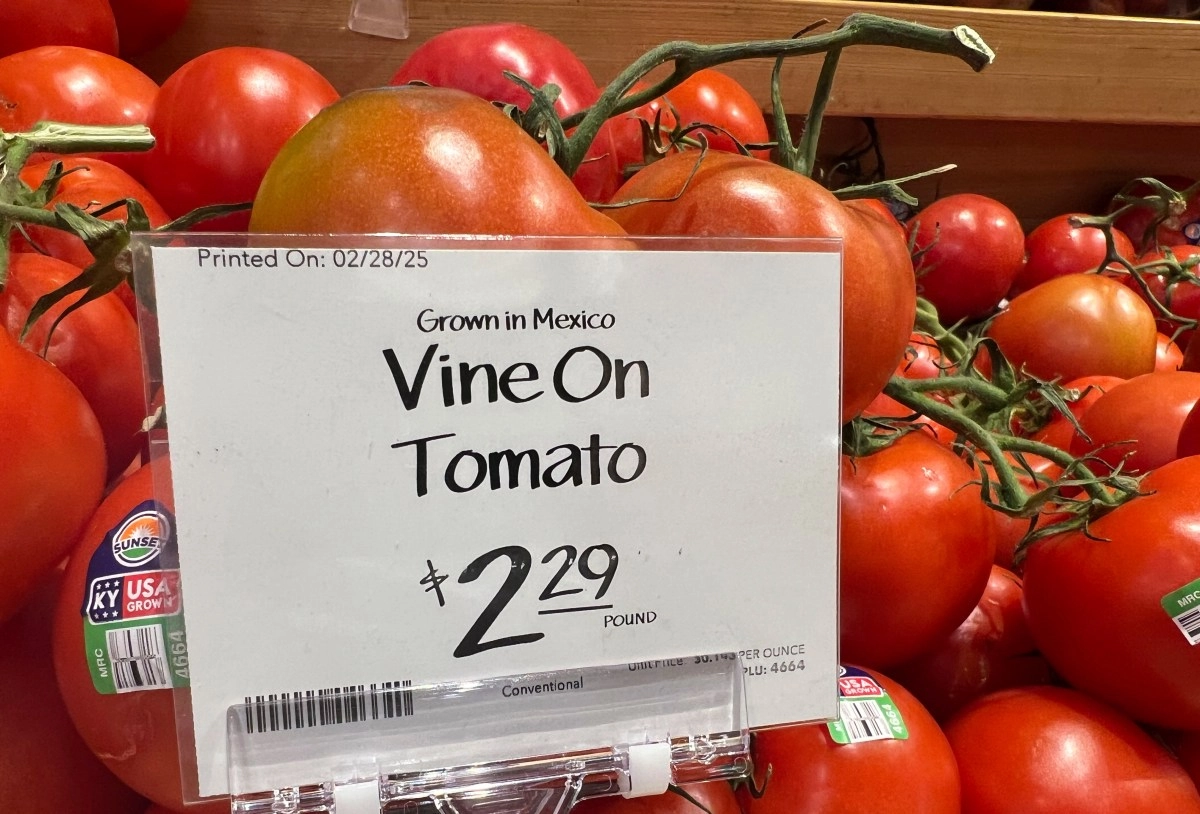

The Department of Commerce announced its withdrawal and termination of the 2019 Agreement Suspending the Investigation of Antidumping Duties on Fresh Tomatoes from Mexico, with which the United States applies a 17.09% tariff on Mexican imports of this product as of this Monday, causing a harsh response from the government of Claudia Sheinbaum.
The Government of Mexico not only considered the application of the United States tariff on tomatoes unfair, but also pointed out that it is a measure that will primarily affect the pockets of Americans.
Through a statement published by Marcelo Ebrard, Secretary of Economy, Mexican authorities assured that their tomatoes have gained ground in the United States due to their quality and not due to unfair practices or 'dumping', as argued by the Trump administration.
Therefore, the government of Mexico assures that two out of every three tomatoes consumed in the United States are harvested in the country neighbor, so the most serious impact will be felt by consumers.
In this context, the Mexican government said that its Ministries of Economy and Agriculture will continue to support domestic tomato producers in their search for an agreement to suspend the compensatory quota on fresh tomatoes announced today, as occurred in 2019. That time, it said, the Agreement was reinstated four months later.
Prior to the implementation of this tariff, a coalition made up of 31 private sector groups in the United States also asked Secretary of Commerce Howard Lutnick to review the decision to terminate the 1996 Mexican Tomato Suspension Agreement.
The request was recorded in a letter addressed to Lutnick and headed by the U.S. Chamber of Commerce (USCC). The document noted that the agreement "provided stability and certainty to producers and consumers on both sides of the border" for almost three decades and asked that it remain in effect while its terms are updated.