

Pollution, habitat loss and more: this is how Alligator Alcatraz affects the Florida ecosystem
Work on the controversial detention center was temporarily suspended
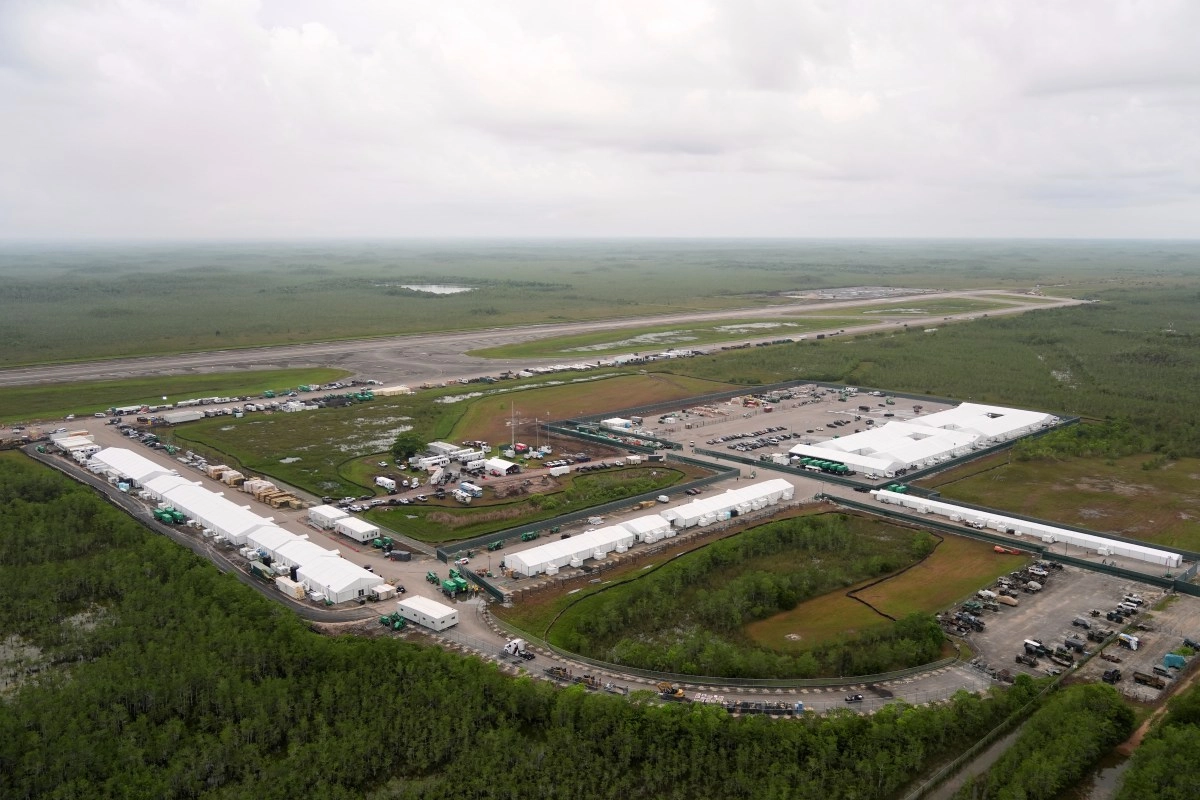

Construction of the immigration detention center known as Alligator Alcatraz in the Florida Everglades is temporarily suspended after a federal judge ordered all new work to stop for a period of 14 days.
The measure seeks to evaluate possible violations of environmental laws such as the National Environmental Policy Act (NEPA) and the Clean Water Act (CWA), according to media outlets with AP.
Despite this, immigration operations and the detention of people at the site continue as normal.
Proven effects and possible impacts on the ecosystem
According to The Wildlife Society and other environmental organizations, the negative impacts on Florida's environment are already evident. First, the installation of pavements over wetlands has altered the natural flow of water, increasing the risk of flooding and affecting the filtration of pollutants.
Furthermore, the placement of kilometers of metal fences has fragmented the habitat of endangered species, such as the Florida panther and the bonneted bat, hindering their movement and access to feeding areas.
Another visible damage, according to The Wildlife Society, is light pollution. This is because the powerful reflectors that remain on 24 hours a day have generated a glow visible from more than 15 miles away.
This alters the nocturnal cycles of various species, interferes with their hunting and breeding patterns, and even affects protected areas such as the Big Cypress National Preserve. Specialists also warn of the risk of polluting runoff into nearby bodies of water due to paving and construction activities.
The damage that Alligator Alcatraz could cause in the future
Regarding future impacts, environmentalists warn that, if the project is completed, the center could consolidate the permanent loss of critical habitats in the Everglades.
The planned expansion, which includes more buildings, paved areas, and high-intensity lighting systems, would increase pressure on the ecosystem. There are also fears of an increase in contamination from pesticides and chemicals used for pest control within the facilities, which would affect the base of the local food chain.
In addition to The Wildlife Society, the National Parks Conservation Association (NPCA), through its regional director Melissa Abdo, PhD, pointed out that the presence of Alligator Alcatraz can also cause significant damage to protected landscapes, freshwater sources and wildlife, in addition to putting the detainees themselves at risk by being located in inhospitable terrain.
According to Abdo, the continuous use of generators, intensive food transportation and the management of large volumes of waste generate additional pressure on the surrounding ecosystems, directly threatening the integrity of the Everglades and adjacent national parks.
Lawsuits and protests from environmental organizations
The project has generated strong opposition from groups such as Friends of the Everglades and the Center for Biological Diversity from the beginning. A judge even recently allowed the addition of the Miccosukee tribe of Florida to the class-action lawsuit against the detention center.
These organizations have filed lawsuits to stop the construction, arguing that Alligator Alcatraz jeopardizes decades of Everglades restoration efforts and threatens both the biodiversity and cultural rights of Indigenous communities in the region.