

The water resources of millions of Angelenos depend on the WRD
The Water Replenishment District is the largest groundwater agency in the state of California in terms of population
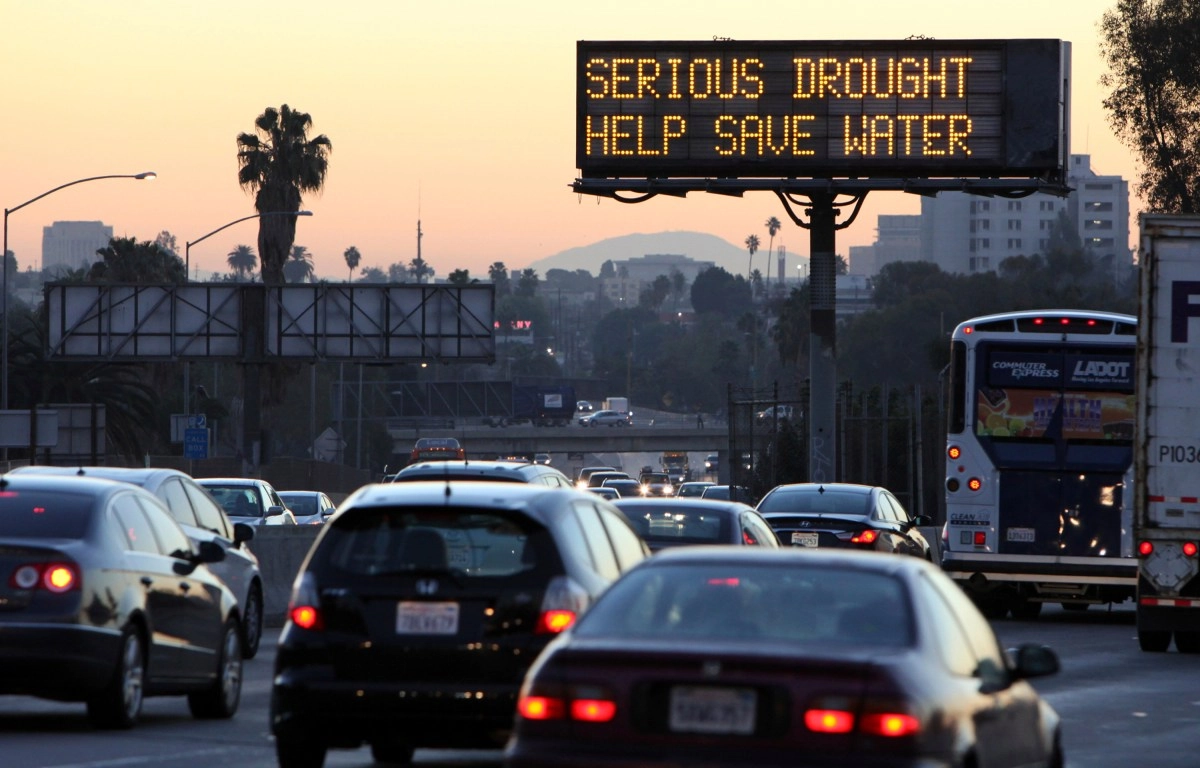

With a large population and an annual average of only 14 inches of precipitation, the Los Angeles basin remains a water problem.
Los Angeles County's 10 million residents depend on clean, safe, and reliable drinking water for use at home, at work, and in commercial industries spread throughout the county.
The Water Replenishment District (WRD) is the largest groundwater agency in the State of California in terms of population. It manages and protects local groundwater resources for four million residents.
The WRD service area encompasses a 420-square-mile region of southern Los Angeles County with 43 cities within the service area, including a portion of the City of Los Angeles and other unincorporated areas of Los Angeles County, that use approximately 72 billion gallons of groundwater annually, representing nearly half of the region's water supply needs.
The WRD ensures that water flows back into the ground to maintain watershed health.
To achieve this, WRD collaborates with the Los Angeles County Department of Public Works, which owns and operates two major water infrastructure systems: expansion grounds and seawater barrier injection wells.
In addition, one of WRD's key focuses is maintaining a sustainable groundwater cycle.
When the WRD was formed, the district supplemented stormwater with water imported from Northern California or the Colorado River, but over the years they recognized the importance of utilizing local sources for replenishment and the WRD began treating wastewater in 1962.
Over the decades, the WRD steadily increased the use and production of recycled water sources until it was able to replenish groundwater basins solely with storm water and recycled water, thus eliminating the need to import water. This was accomplished through the District's Water Independence Now (WIN) Program.
The completion of WIN meant that WRD could replenish the groundwater that meets nearly half of South LA County's water demand with a locally sustainable supply.
This will create drought and climate resilience and has already paid off during this current drought because WRD is no longer reliant on imported water supplies that are in very high demand.