

Acetaminophen use declined among pregnant women: this is the cause
While acetaminophen use declines, leucovorin prescriptions increase dramatically, showing a rise of up to 113%
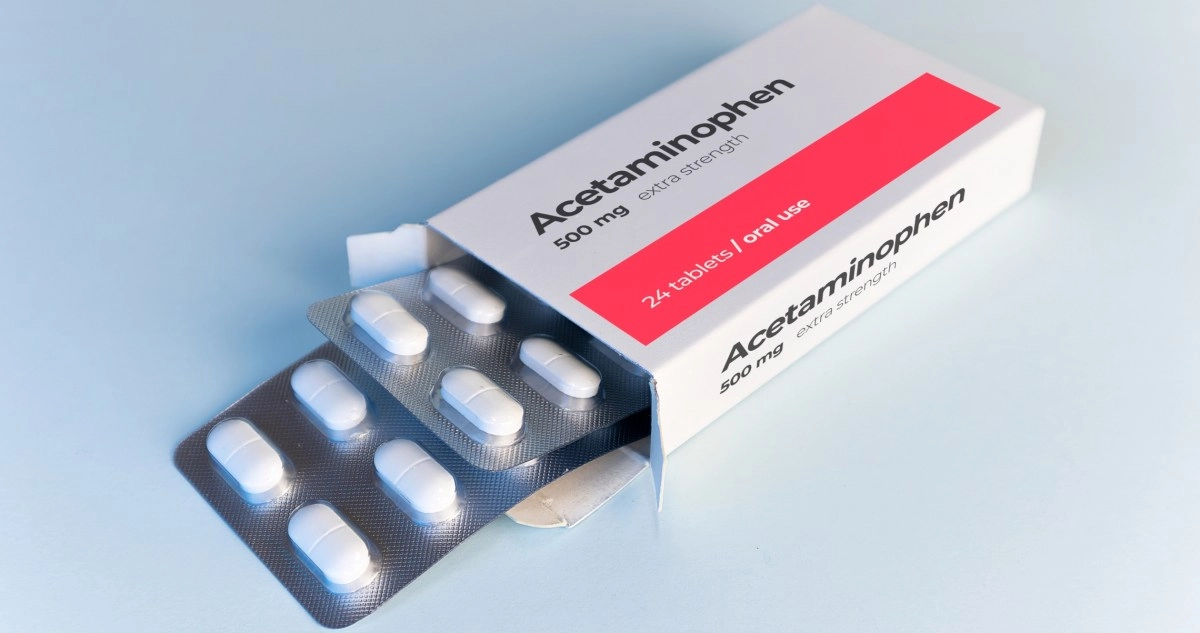

Researchers from Harvard and Brown Universities have conducted a study that indicates a 10% reduction in acetaminophen orders in emergency rooms for pregnant patients, following a White House briefing in September 2025.
During the first month after the briefing, orders for acetaminophen use decreased by 16%. The drop peaked at 20% in the third week after the announcement, although prescriptions subsequently returned to baseline levels by early December.
While acetaminophen use declined, prescriptions for leucovorin, a drug linked to the treatment of chemotherapy side effects and folate deficiency, increased dramatically, showing a 93% increase in the first month and a 113% increase in the second week following the meeting.
Controversy over acetaminophen and autism
Several medical organizations have criticized the White House's claim linking acetaminophen during pregnancy to autism, warning that there is no conclusive scientific evidence to support such a connection.
The American College of Obstetricians and Gynecologists (ACOG) has dismissed the claim as “irresponsible,” noting that more than two decades of research have not shown a direct link between acetaminophen and childhood developmental disorders.
Kenvue Brands LLC, the manufacturer of Tylenol, has expressed concern about the claims made about its product and has emphasized the risks of not treating fever during pregnancy. It reiterates that acetaminophen is the safest option for managing pain and fever in this group.
Recommendations for the Safe Use of Acetaminophen
Acetaminophen is generally considered safe during pregnancy when used correctly and under medical supervision. Major organizations recommend its use for relieving pain, fever, or headaches, but always after consulting an obstetrician-gynecologist.
Take the lowest effective dose for the shortest possible time, avoiding self-medication. Studies spanning more than 20 years support its safety for both mother and fetus when administered properly.
Potential Risks. Some studies suggest associations with complications such as premature birth or long-term effects on the baby, but these are inconclusive, and medical guidelines prioritize its benefits over potential risks. Experts refute strong links to autism or other serious disorders.