

Central Command confirms new attacks against Iran after the downing of an Apache helicopter
The incident that triggered the US military response occurred on Monday night, when the Apache aircraft was hit while patrolling the area.
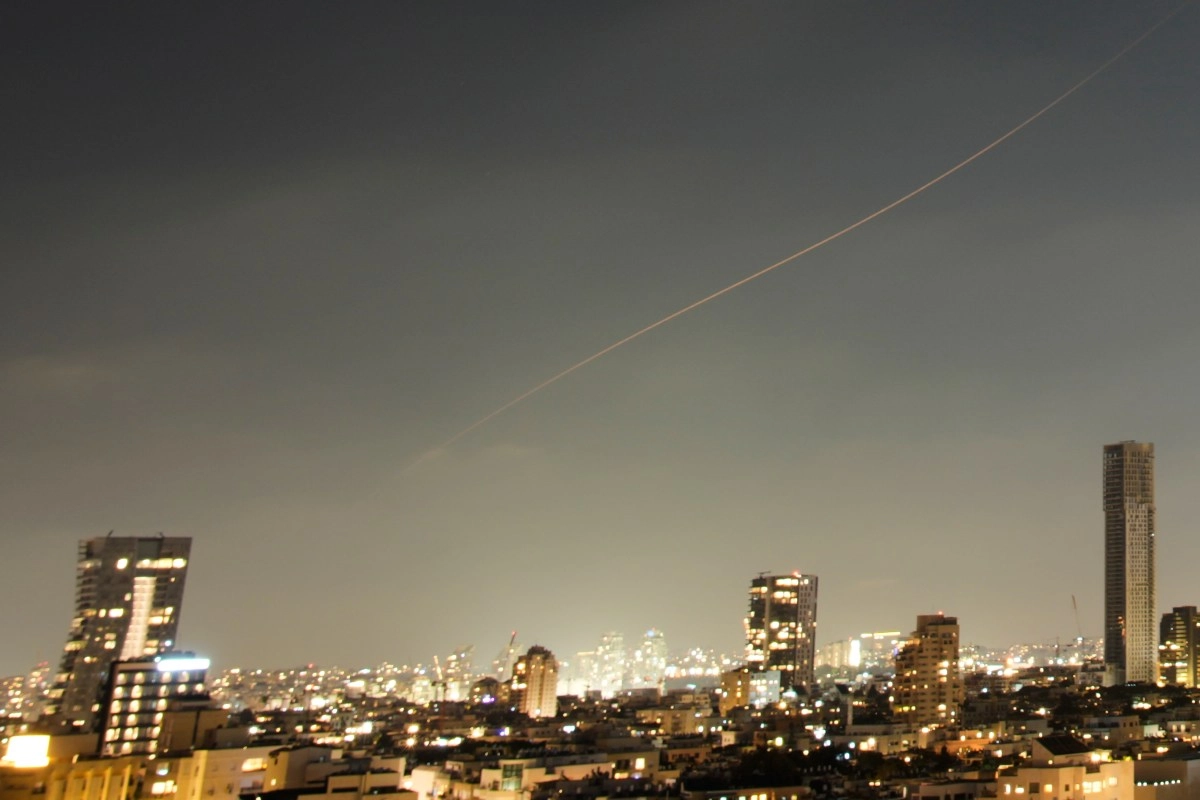

The conflict between the United States and Iran registered a new escalation this Tuesday after US forces launched a series of attacks against Iranian military targets in response to the downing of a US Army Apache combat helicopter that occurred a day earlier near the Strait of Hormuz.
The United States Central Command (CENTCOM) reported that military operations began around 5:00 p.m. Eastern Time, by direct order of President Donald Trump. According to the military institution, the actions were classified as “self-defense attacks” and are part of a response that Washington considers proportional to Iranian aggression.
“U.S. Central Command forces began self-defense attacks against Iran in response to the downing of a U.S. Army Apache helicopter,” CENTCOM said in a statement posted on social media.
US authorities did not offer immediate details about the targets hit or the magnitude of the operation. However, the decision represents one of the most delicate episodes in recent tensions between Washington and Tehran, at a time when both parties were trying to sustain a fragile de-escalation process.
Trump promised a response after the attack
Hours before the bombings, President Trump had publicly warned that the United States would respond to the downing of the military aircraft. According to a US official who spoke on condition of anonymity, the Apache helicopter was hit by an Iranian attack drone during an operation in the Strait of Hormuz region, one of the most important shipping routes for the global oil trade.
The aircraft crashed near the coast of Oman. CENTCOM reported that the two soldiers who were on board were rescued alive through a rare operation that involved the use of a maritime drone. Both crew members were taken to a military facility and are in stable condition.
Trump claimed that the attack on the US aircraft forced Washington to act. Through his social network Truth Social, he maintained that the United States had to respond to what he described as a direct aggression against its armed forces.
Tension grows in the Middle East
The new US attacks occur in the midst of a complex regional situation marked by clashes between Iran and Israel, which in recent days have exchanged attacks and threats that increased fear of an expansion of the conflict in the Middle East.
The recent escalation has also complicated diplomatic efforts promoted by Washington to reach an understanding with Tehran. Despite this, Trump assured during the early hours of Tuesday that he still considers it possible to reach an agreement with Iran in a relatively short period of time.
“We could reach an agreement in two or three days,” declared the president, reiterating an optimistic schedule for the negotiations that have been taking place for several weeks.
International analysts consider that the US military response could increase pressure on the Iranian government, although they also warn that there is a risk of new retaliations that threaten the stability of the region and the security of one of the most important energy routes in the world.
Meanwhile, the international community is closely monitoring developments, fearing that the exchange of attacks will further weaken diplomatic efforts to avoid a larger conflict.