

Children immersed in social networks obtain worse results on reading and memory tests
Research suggests problems could worsen as social media use tends to increase in adolescence
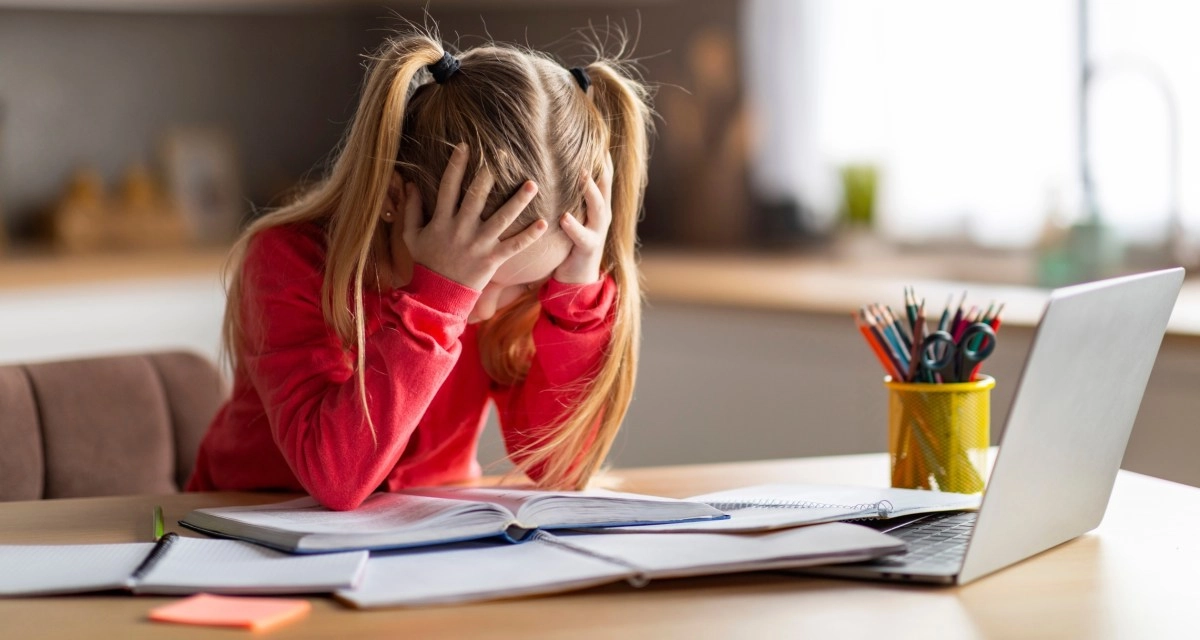

A recent study reveals that preadolescents who use social media regularly, compared to those who use them minimally, perform worse on reading, vocabulary, and memory tests.
The research, published in the Journal of the American Medical Association (JAMA), examined the relationship between longitudinal patterns of social media use and Social media and cognitive performance two years later in a diverse sample of adolescents from across the country.
The study hypothesis was that greater social media use would be associated with lower cognitive performance.
Heavy Social Media Use
Researchers categorized preteens into three groups based on social media use. Low Use Group: 58% of boys; Increasingly Low Use Group: 37% of boys; and High-increasing usage group: 6% of children
The findings show that even those with low social media usage have poorer cognitive performance compared to non-users.
The changes seen in test scores could signal bigger problems down the road, as social media use tends to increase in adolescence.
Critical brain development
Adolescence is a crucial time for brain development, and exposure to social media can affect young people’s ability to process information optimally.
Experts suggest implementing policies that set age limits on social media use, as Denmark and Australia have done, in order to protect young people from the negative impact on their cognitive development.
“This confirms a lot of what we’ve been hearing in schools across the country: children are finding it very difficult to concentrate and learn as well as they used to, perhaps because of how social media has changed their ability to process information,”"psychologist Mitch Prinstein of the University of North Carolina at Chapel Hill, who was not involved in the new research, told NPR.
Previous studies show that children begin using social media before the age of 13, and that the average user has three social media accounts.
More Negative Effects
Social media can increase anxiety, depression, low self-esteem, and feelings of exclusion in preteens due to the constant social comparison and pressure for validation through likes and comments. Additionally, cyberbullying and exposure to negative content can increase these risks.
It can also disrupt sleep and divert attention from important activities, affecting overall well-being. Online communication can limit the development of in-person social skills and increase social anxiety in face-to-face interactions. Excessive use, such as spending more than three hours a day on social media, is associated with an increased risk of emotional problems.
The role of parents, educators, and adults is key to encouraging healthy and critical use of social media, in order to maximize its benefits and reduce the associated emotional risks.