

Colombian cartels employ another maritime strategy in the face of US attacks on vessels
One of the main adaptations has been the increasing use of sailboats and recreational vessels that transport smaller shipments
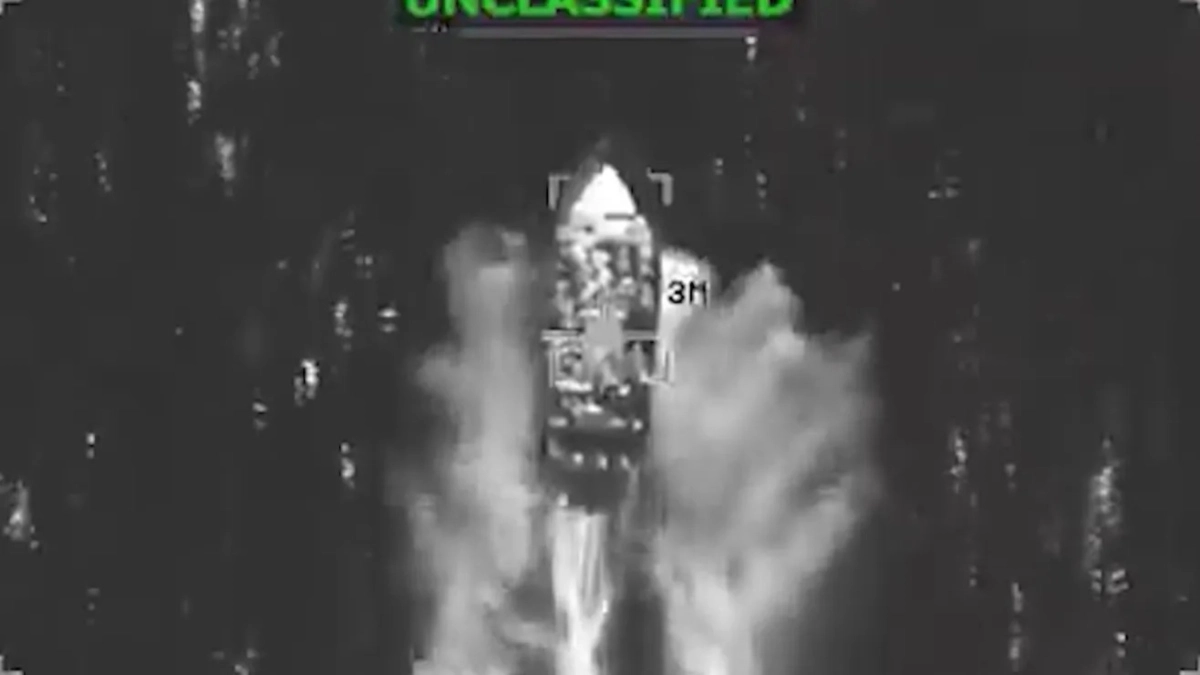

Criminal organizations dedicated to drug trafficking in Colombia are modifying their routes and methods of maritime cocaine transport, given the increased military and technological pressure from the United States in the Caribbean and the Eastern Pacific, an offensive that has increased the risk for the traditional speedboats used for decades.
Authorities Colombian authorities indicate that US attacks and operations against these types of vessels have forced cartels to seek more discreet alternatives, with lower radar visibility and a greater ability to blend in with legal traffic. Although speedboats are still in operation, their effectiveness has decreased considerably. According to the Colombian Navy, one of the main adaptations has been the increasing use of sailboats and recreational vessels that carry smaller cargoes, but with a greater likelihood of going undetected. These vessels, associated with tourism or sporting activities, easily blend into the normal flow of traffic in coastal and marine areas. “The margin of maneuver for criminal organizations has been reduced,” explained Commander Felipe Portillo Oliveros, head of the Colombian Coast Guard Station, to the newspaper Milenio, detailing that these vessels offer stealth against increasingly sophisticated detection systems deployed by international forces. According to information obtained by the aforementioned media outlet, authorities have also detected an increase in the so-called contamination of large merchant ships, a more complex method that consists of attaching drug shipments to the hull of vessels using devices known as parasites. This technique, considered high-risk, requires specialized personnel and precise execution. The devices are attached to the submerged part of the ship using magnets or screws and are usually placed at night or in the early morning. In most cases, the same person who installs the shipment is the one who removes it at the port of destination. to avoid errors or traces.
International cooperation reports on anti-drug matters indicate that this method has intensified on routes to Europe, where the value of cocaine increases significantly. In contrast,container contamination continues to be more frequent on routes to Central America, a key region as a corridor to the United States.
Investigations show that not all shipments are introduced during navigation, since in some cases the drugs are placed before the containers are loaded onto the ships, expanding the criminal network involved in trafficking.
Faced with this scenario, the Colombian Coast Guard has reinforced surveillance with radars, sensors, cameras, and intelligence work supported by citizen reports, in addition to underwater inspections carried out by specialized diving teams. Authorities say the goal is not only to seize drugs, but also to anticipate new tactics from organized crime, which continues to adapt to supply the world's largest cocaine market.